

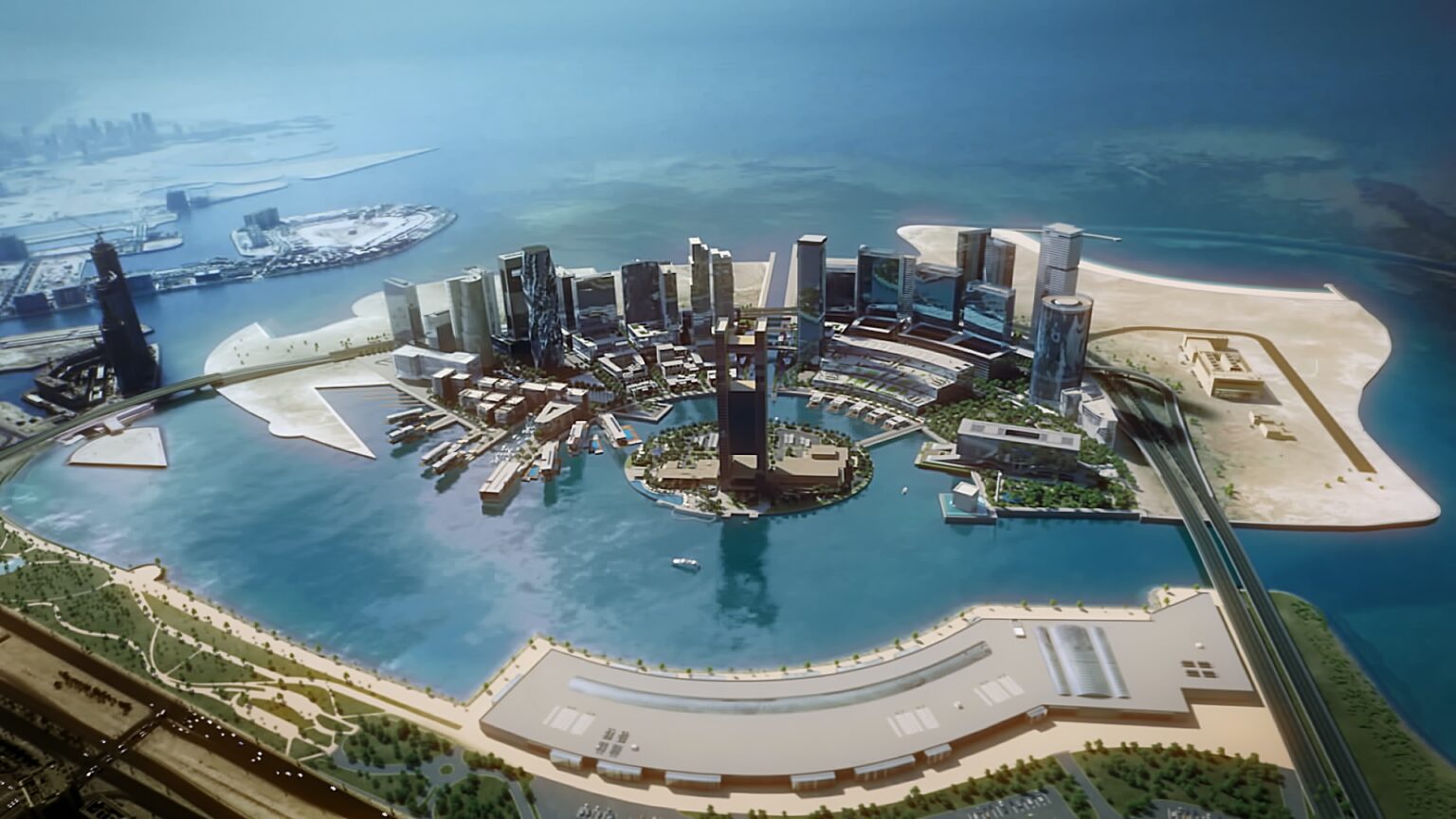
In a world that is rapidly embracing technology, Bahrain stands at the forefront with its ambitious initiative: Bahrain launches smart city infrastructure projects. This forward-thinking approach not only aims to modernize urban living but also enhances the quality of life for its residents. As we delve deeper into this transformative journey, we’ll explore the various facets of these smart city projects and their impact on Bahrain’s future.
What Are Smart City Infrastructure Projects?
Smart city infrastructure projects encompass a range of technologies and innovations aimed at improving urban environments. These projects utilize data and connectivity to enhance public services, infrastructure, and overall living conditions. In Bahrain, the focus is on integrating smart technologies into transportation, energy, healthcare, and public safety systems.
By harnessing the power of the Internet of Things (IoT), artificial intelligence, and data analytics, Bahrain plans to create a more efficient and sustainable urban ecosystem. This leads to better resource management, reduced environmental impact, and a higher standard of living for its citizens.
Key Features of Bahrain’s Smart City Initiatives
Bahrain’s smart city initiatives are set to revolutionize urban living through several key features. Here are some of the most exciting components:
Enhanced Transportation Systems
One of the primary goals of Bahrain’s smart city projects is to improve transportation. This includes the implementation of smart traffic management systems that utilize real-time data to optimize traffic flow. With reduced congestion, residents can expect shorter commute times and less pollution.
Sustainable Energy Solutions
Bahrain is committed to sustainability, and smart city projects reflect this priority. The integration of renewable energy sources and energy-efficient buildings will significantly lower carbon emissions. Smart grids will also allow for better management of electricity consumption, making energy use more efficient.
Smart Healthcare Services
The healthcare sector is another critical area of focus in Bahrain’s smart city framework. By leveraging telemedicine and digital health records, residents will benefit from more accessible and efficient healthcare services. This innovation is particularly vital in ensuring timely medical assistance and improving public health outcomes.
Advanced Public Safety Measures
In an increasingly digital world, public safety is paramount. Bahrain’s smart city projects will include advanced surveillance systems and emergency response technologies. These initiatives will ensure a safer environment for residents, with quicker response times in emergencies.
Economic Impacts of Smart City Development
The launch of smart city infrastructure projects in Bahrain is not only a step towards modernization but also a significant driver of economic growth. By attracting investments in technology and innovation, Bahrain aims to create job opportunities and foster entrepreneurship.
The development of smart cities will also encourage tourism. As Bahrain becomes a hub for advanced technologies, it will draw visitors interested in experiencing cutting-edge urban environments. This influx of tourists can provide a considerable boost to the local economy.
Community Engagement and Inclusivity
For smart city projects to truly succeed, community engagement is essential. Bahrain is committed to involving its citizens in the planning and implementation of these initiatives. This approach fosters a sense of ownership and ensures that the projects meet the actual needs of the residents.
Additionally, inclusivity will be a cornerstone of Bahrain’s smart city vision. By considering the diverse demographics of the population, the projects will aim to cater to everyone, ensuring equitable access to the benefits of smart city technologies.
Challenges in Implementing Smart City Projects
While Bahrain’s vision for smart city infrastructure projects is ambitious, several challenges must be addressed. One of the primary hurdles is the need for significant investment in technology and infrastructure. Securing funding while ensuring that the projects remain financially viable is crucial.
Another challenge is the integration of various technologies and systems. Ensuring that different components work seamlessly together requires careful planning and coordination among various stakeholders.
Lastly, there is the need for continuous education and training for residents and city planners. As new technologies emerge, keeping everyone informed and equipped to adapt is key to the long-term success of smart city initiatives.
The Future of Bahrain’s Urban Landscape
As Bahrain launches smart city infrastructure projects, the future of urban living in the kingdom looks promising. The integration of technology into everyday life will create a more connected and sustainable environment. With a focus on enhancing the quality of life and fostering economic growth, Bahrain is setting a benchmark for other nations to follow.
The successful implementation of these projects will depend on collaboration between the government, private sector, and the community. As each phase unfolds, residents can expect to witness a transformation that not only modernizes their cities but also enriches their lives.
Conclusion: A New Era for Bahrain
Bahrain launches smart city infrastructure projects as a testament to its commitment to progress and innovation. With a holistic approach that prioritizes sustainability, economic growth, and community well-being, these initiatives herald a new era for the kingdom. As the projects come to fruition, Bahrain is poised to become a model for smart urban development in the region and beyond.
Do follow Gulf Magazine on Instagram.
Also Read – Oman Warns of Dangerous Wadi Floods After Heavy Rain

