

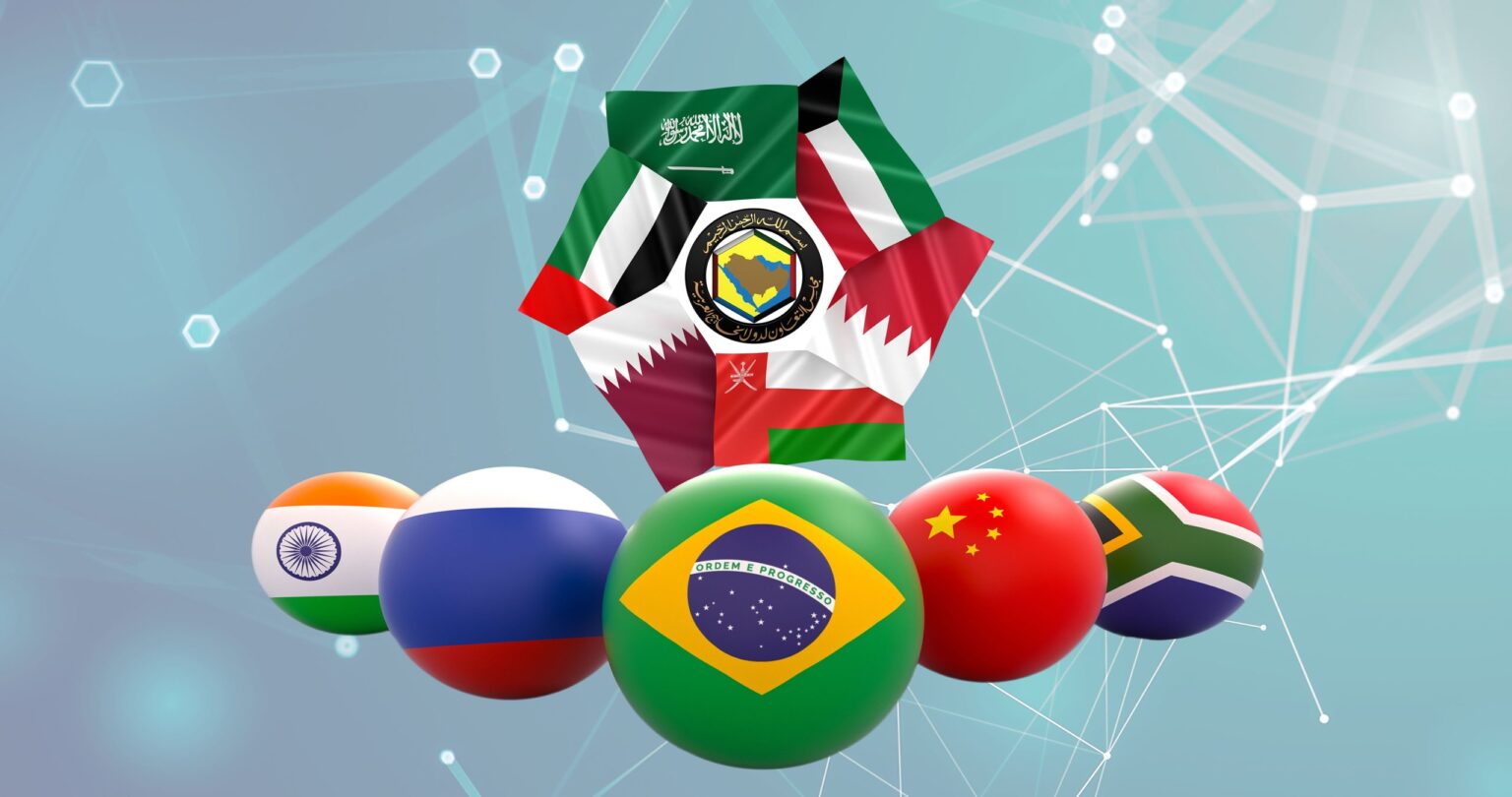
The landscape of finance and investment in the Gulf Cooperation Council (GCC) region is evolving rapidly. With a strong focus on economic diversification, the GCC countries are experiencing a remarkable increase in cross-border investments. This trend not only highlights the resilience of these economies but also showcases their potential as hubs for regional and international investment opportunities.
As the GCC nations work collectively towards enhancing economic integration, it’s essential to explore the driving factors behind this surge in cross-border investments.
Understanding the GCC Investment Ecosystem
The Gulf Cooperation Council comprises six member states: Bahrain, Kuwait, Oman, Qatar, Saudi Arabia, and the United Arab Emirates. Each nation brings unique strengths to the table, creating a rich tapestry of investment opportunities.
The GCC economies have historically been dependent on oil revenues. However, recent initiatives aimed at diversifying their economies have led to a shift in investment patterns. This shift is characterized by increased collaboration among member states, leading to a flourishing environment for cross-border investments.
Key Drivers Behind the Surge in Investments
Several factors are contributing to the growth of cross-border investments among GCC countries.
One of the primary drivers is the shared vision of economic diversification among member states. The GCC Vision 2030 initiatives promote sustainable growth by encouraging investments in non-oil sectors. This collective approach fosters a sense of unity and mutual benefit, making it easier for investors to navigate the region.
Additionally, improvements in regulatory frameworks have played a significant role. Countries within the GCC are adopting more investor-friendly policies, simplifying processes, and enhancing transparency. Such reforms create a more conducive environment for cross-border investments, attracting both regional and international investors.
The Role of Technology in Cross Border Investments
Advancements in technology have also significantly impacted cross-border investments among GCC countries. The digital transformation of financial services has enhanced accessibility and efficiency in investment processes.
Fintech solutions are emerging as key players in bridging the gap between investors and opportunities. These platforms facilitate seamless transactions, allowing investors to explore a variety of assets across member states. As technology continues to evolve, it will undoubtedly play a pivotal role in further promoting cross-border investments.
Sectoral Opportunities for Investment
The increase in cross-border investments is not just a theoretical concept; it is manifesting in various sectors.
Real estate is one of the most attractive sectors for cross-border investors. With booming populations and urbanization in the GCC, the demand for residential and commercial properties is on the rise. Investors are looking beyond their borders to capitalize on lucrative opportunities in neighboring countries.
Another promising sector is renewable energy. As GCC nations commit to sustainability, investments in solar and wind energy projects are gaining traction. These initiatives not only help diversify energy sources but also open up new avenues for investment collaboration among member states.

Challenges to Cross Border Investments
Despite the promising landscape, certain challenges still exist in the realm of cross-border investments.
Regulatory discrepancies among GCC countries can pose obstacles for investors. While efforts are being made to harmonize regulations, differences in legal frameworks may create confusion and hesitation for potential investors.
Moreover, geopolitical tensions in the region can impact investor confidence. Maintaining stability and fostering a secure environment for investments remain crucial to ensuring sustained growth in cross-border activities.
The Future of Cross Border Investments in the GCC
Looking ahead, the future of cross-border investments among GCC countries appears bright. Continued collaboration and commitment to economic diversification will likely spur further growth in this area.
As nations focus on building resilient economies, the opportunities for cross-border investments will expand. With the right policies and frameworks in place, the GCC can position itself as a leading investment destination on the global stage.
In conclusion, the surge in cross-border investments among GCC countries reflects a promising shift towards economic diversification and regional cooperation. As these nations continue to work together, they pave the way for a more integrated and prosperous economic future.
Do follow Gulf Magazine on Instagram.
Also Read – Smart Cities Driving Economic Growth Across the Gulf Region

