


As the world continues to evolve and adapt, one region that stands out is the Middle East, particularly Saudi Arabia. In 2025, Saudi Arabia’s airports are projected to handle over 140 million passengers, showcasing a significant leap in the country’s aviation sector. This remarkable growth is a testament to the nation’s strategic investments and vision for a burgeoning tourism industry, enhanced connectivity, and economic diversification.
How Saudi Arabia’s Airports Are Transforming Travel
The rapid expansion of Saudi Arabia’s airports is not just about numbers; it reflects a larger narrative of transformation. The Kingdom’s commitment to enhancing its aviation capacity is driven by various factors, including the Vision 2030 initiative, which aims to diversify the economy away from oil dependence.
The government has heavily invested in modernizing existing airports and constructing new facilities. This strategic move is designed to accommodate the increasing number of travelers, both domestic and international. These developments are crucial in positioning Saudi Arabia as a global travel hub.
The Role of Vision 2030 in Aviation Growth
Vision 2030 has set the groundwork for a renaissance in various sectors, with tourism and aviation being at the forefront. The initiative aims to boost the tourism sector, targeting 100 million annual visits by 2030. This ambitious goal is supported by the upgrading of airport infrastructure and the introduction of new airlines and routes.
With large-scale projects like the King Abdulaziz International Airport in Jeddah and the ongoing development of the King Salman International Airport in Riyadh, the Kingdom is set to enhance its global connectivity. As a result, the airports are becoming gateways not just to Saudi Arabia but also to the wider Middle Eastern region.
Innovations Enhancing Passenger Experience
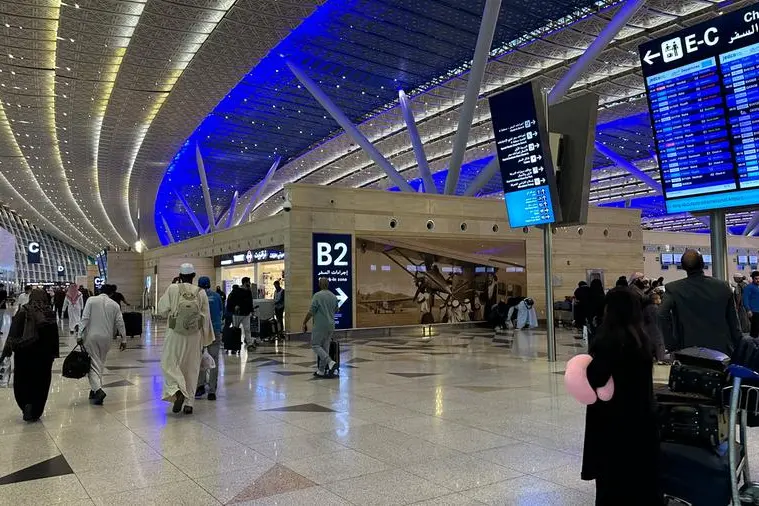
As Saudi Arabia’s airports prepare to handle over 140 million passengers, innovations in technology and customer experience play a crucial role. Smart airport technologies, such as biometric screening and automated check-in processes, are being integrated to streamline operations and reduce waiting times.
These advancements aim to provide a seamless travel experience for passengers, enhancing satisfaction and encouraging more travelers to choose Saudi airports as their transit points. The focus on passenger comfort and efficiency is paramount in this competitive aviation landscape.
Economic Impact of Increased Passenger Traffic
The ability of Saudi Arabia’s airports to handle over 140 million passengers in 2025 will have significant economic implications. More travelers mean increased spending in various sectors, including hospitality, retail, and transportation.
This growth will create job opportunities, not just within the aviation sector but also across the broader economy. As airports expand their capacity, local businesses can thrive, contributing to a more diversified economic landscape.
Moreover, increased passenger traffic can enhance Saudi Arabia’s position in the global market, attracting foreign investment and boosting the Kingdom’s international profile.
Sustainable Practices in Aviation Development
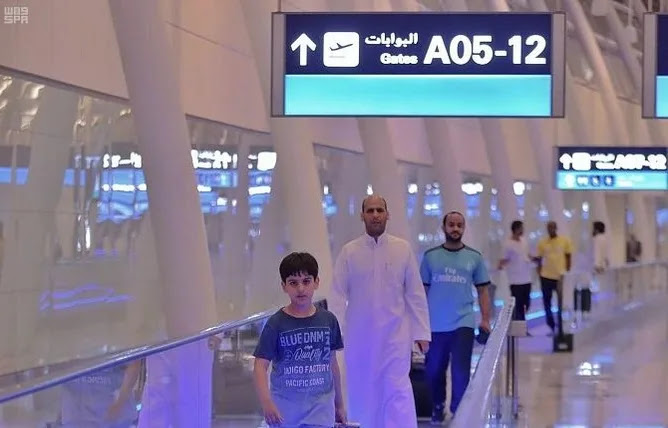
With the anticipated growth, concerns about the environmental impact of increased air travel are inevitable. Saudi Arabia is taking proactive measures to ensure that its aviation development aligns with sustainable practices.
Initiatives to reduce carbon emissions and promote fuel-efficient technologies are being prioritized. The use of renewable energy sources and the implementation of eco-friendly airport operations are part of the strategic vision to balance growth with environmental responsibility.
Challenges Ahead for Saudi Arabia’s Aviation Sector
Despite the optimistic projections, challenges remain. The aviation industry is susceptible to global economic fluctuations, geopolitical tensions, and unexpected events, like pandemics.
Saudi Arabia’s airports must navigate these challenges while maintaining their growth trajectory. Flexibility and adaptability will be key as the country seeks to achieve its ambitious passenger handling goals.
The Future of Saudi Arabia’s Airports
Looking ahead, the prospects for Saudi Arabia’s airports handling over 140 million passengers in 2025 are promising. With continued investment in infrastructure, technology, and sustainable practices, the Kingdom is poised to redefine its aviation landscape.
This transformation will not only benefit travelers but also cement Saudi Arabia’s status as a leading global hub for tourism and business. As the country embraces its future, the aviation sector stands as a pillar of its ongoing evolution.
Conclusion: A New Era for Saudi Arabia’s Airports
In conclusion, Saudi Arabia’s airports handling over 140 million passengers in 2025 marks a significant milestone in the Kingdom’s journey towards a diversified economy and enhanced global connectivity. As the nation invests in infrastructure and embraces innovative solutions, the airports are set to play a pivotal role in shaping the future of travel in the region.
These developments highlight the Kingdom’s commitment to not only welcoming millions of visitors but also fostering economic growth, sustainability, and a modern travel experience.
Do follow Gulf Magazine on Instagram.
Also Read – Gulf Renewable Energy Investment Grows Toward 2026

