

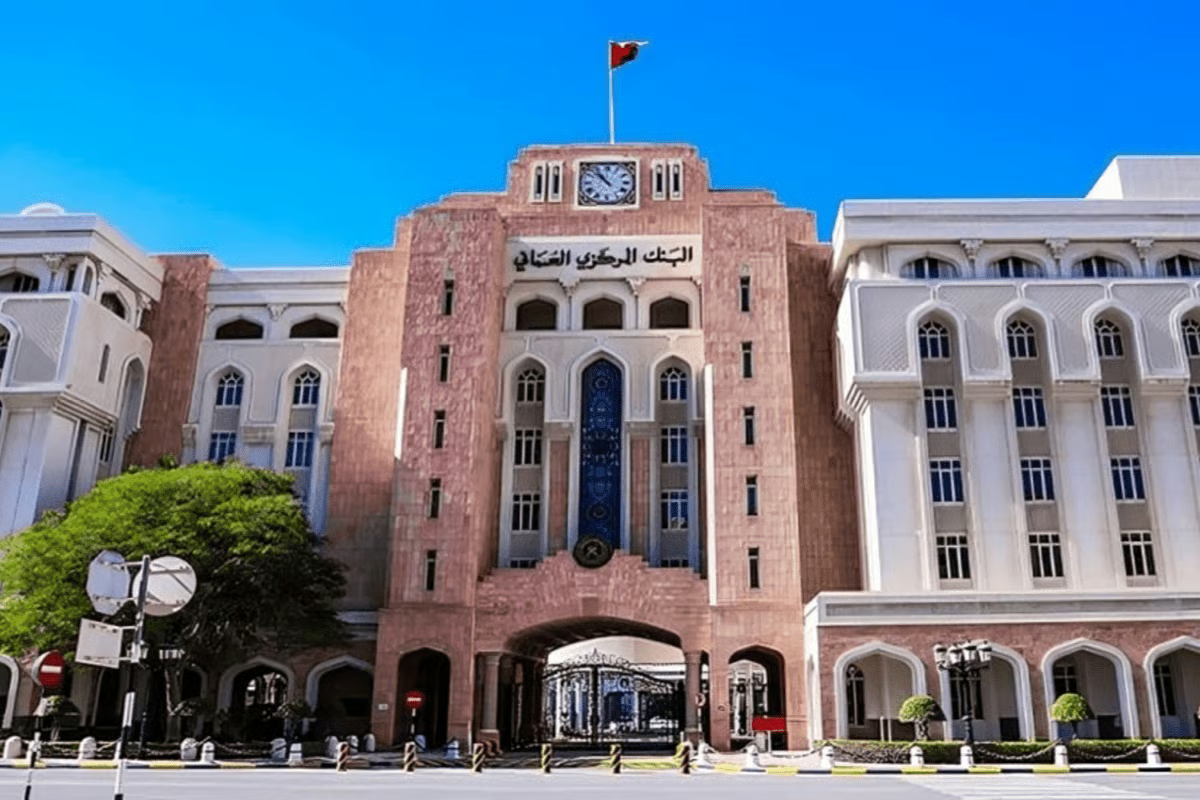
Oman’s Islamic finance sector is poised for remarkable growth, with expectations of a 25% increase by 2026. As the country continues to diversify its economy beyond oil dependency, the Islamic finance industry stands out as a pillar of this transformation. This article will delve deep into the factors driving this growth, explore the current landscape of Islamic finance in Oman, and highlight the implications for investors and the broader economy.
Understanding Oman’s Islamic Finance Landscape
Islamic finance refers to financial activities that adhere to Islamic law (Sharia). This sector has gained momentum globally, and Oman is no exception. The country has made significant strides in establishing a robust framework for Islamic banking and finance, with several Islamic banks and financial institutions offering Sharia-compliant products.
The appeal of Oman’s Islamic finance sector lies in its ability to align with ethical and moral values. This unique positioning attracts not only local investors but also international players seeking to tap into the burgeoning market. As investors become more conscious of ethical investment opportunities, the demand for Islamic finance products is likely to grow, further propelling the sector forward.
Key Drivers of Growth in Oman’s Islamic Finance Sector
Several factors are contributing to the expected 25% growth in Oman’s Islamic finance sector by 2026. Understanding these drivers is essential for stakeholders and potential investors.
Regulatory Support and Framework
The Omani government has been proactive in creating a conducive environment for Islamic finance. Regulatory bodies have established guidelines and frameworks that support the growth of Islamic banking, ensuring compliance with Sharia principles. This regulatory backing instills confidence in investors and encourages innovation within the sector.
Increasing Demand for Ethical Finance
As global consciousness shifts toward ethical and sustainable finance, Oman’s Islamic finance sector is well-positioned to meet this demand. Investors are increasingly interested in financing options that reflect their values, and Islamic finance naturally aligns with these principles. This growing interest bodes well for the sector’s expansion, as more individuals and institutions seek Sharia-compliant investment avenues.

Economic Diversification Initiatives
Oman’s Vision 2040 aims to diversify the economy and reduce its reliance on oil revenues. As part of this strategy, the government is focusing on sectors like tourism, manufacturing, and finance. The growth of the Islamic finance sector plays a crucial role in this diversification, attracting investment and fostering economic resilience.
The Role of Technology in Islamic Finance
Innovation and technology are key enablers of growth in any financial sector, and Islamic finance is no different. Digital banking solutions and fintech innovations are transforming how Islamic finance products are delivered and consumed.
Fintech companies in Oman are increasingly offering digital platforms for Islamic finance, making it easier for consumers to access Sharia-compliant products. This digitization enhances customer experience and broadens the reach of Islamic financial services, particularly among younger populations that are tech-savvy.
Challenges Facing the Islamic Finance Sector
While the future looks promising for Oman’s Islamic finance sector, it is not without its challenges. Industry stakeholders must navigate several hurdles to achieve the anticipated growth.
Awareness and Education
Despite its growth potential, there remains a lack of awareness about Islamic finance among certain demographics in Oman. Educational initiatives are essential to inform the public about the benefits and workings of Sharia-compliant financial products. Raising awareness will help attract a broader customer base and foster a more inclusive financial environment.
Competition from Conventional Banking
Islamic banks face stiff competition from conventional banks, which often offer a wider range of financial products and services. To compete effectively, Islamic financial institutions must emphasize their unique selling propositions, such as ethical financing and risk-sharing models, while also innovating to meet customer needs.
The Future of Islamic Finance in Oman
Looking ahead, Oman’s Islamic finance sector is on track for remarkable growth. The expected 25% increase by 2026 reflects not only the sector’s resilience but also the broader economic transformation taking place in the country.
Investors and stakeholders should closely monitor developments within the sector, as opportunities abound. With the right combination of regulatory support, technological innovation, and public awareness, Oman’s Islamic finance sector is set to flourish, contributing significantly to the nation’s economic diversity and stability.
Conclusion: Embracing a Bright Future for Islamic Finance
Oman’s Islamic finance sector expected to grow by 25% in 2026 highlights the exciting potential this industry holds. With a solid foundation built on ethical principles, regulatory support, and a commitment to innovation, the sector is primed for success. By addressing the challenges and leveraging growth drivers, Oman can position itself as a leader in Islamic finance. As we move toward this bright future, it is crucial for stakeholders to embrace the opportunities that lie ahead and contribute to the sustainable development of Oman’s economy.
Do follow Gulf Magazine on Instagram.
Also Read – Saudi Stock Market Closes Lower at 11,167 Points

