

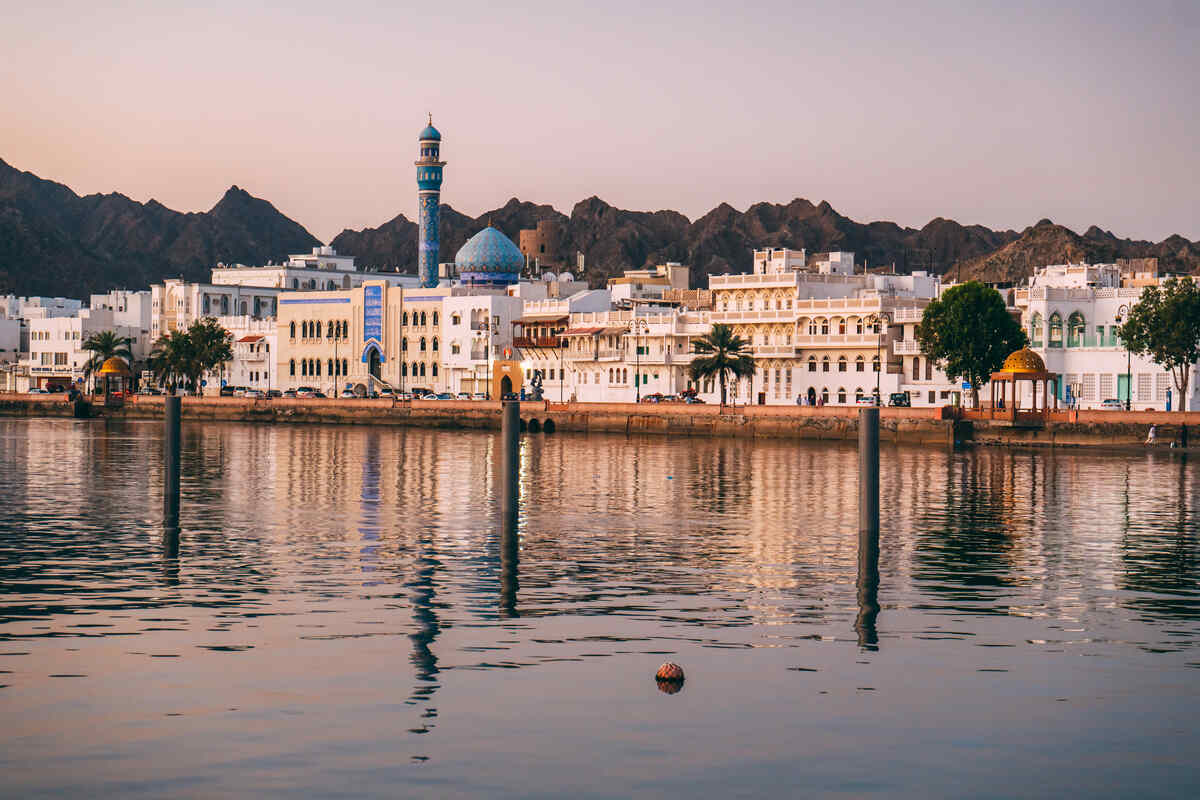
Oman is steadily becoming a beacon of economic resilience in the Gulf region. As the nation embraces a strategic vision aimed at sustainable growth, the outlook for 2026 looks increasingly promising. This transformation is driven by a comprehensive national strategy that emphasizes diversification, innovation, and sustainability. In this article, we will explore how Oman’s economic resilience is strengthening and what this means for its future.
Understanding Oman’s Economic Landscape
Oman has historically relied on oil exports as its primary source of revenue. However, fluctuations in oil prices have prompted the government to rethink its economic strategy. The Vision 2040 plan underscores the need for diversification and resilience, aiming to reduce dependency on oil and foster a more sustainable economic environment.
The national strategy focuses on several key areas, including tourism, logistics, manufacturing, and fisheries. By investing in these sectors, Oman is positioning itself as a competitive player in the global market.
The Role of National Strategy in Economic Resilience
A pivotal element of Oman’s economic resilience is its national strategy, which is designed to enhance the country’s economic stability and growth. The strategy emphasizes several critical initiatives:
Diversification of Revenue Streams: By investing in non-oil sectors, Oman aims to create a more balanced economy. This approach not only mitigates risks associated with oil price volatility but also opens up new opportunities for growth.
Investment in Infrastructure: Significant investments in infrastructure projects are underway, which will facilitate trade and attract foreign investment. Improved transportation networks and logistics capabilities are crucial for enhancing Oman’s competitiveness.
Focus on Innovation and Technology: The national strategy encourages innovation and the adoption of new technologies across various sectors. By fostering a culture of creativity, Oman seeks to boost productivity and efficiency.
Key Sectors Driving Economic Growth
Oman’s commitment to economic resilience is reflected in its focus on several key sectors that are expected to drive growth in the coming years.
Tourism
The tourism sector is poised for significant expansion, with the government aiming to attract more international visitors. Oman’s rich cultural heritage, stunning landscapes, and unique experiences make it an appealing destination. Initiatives to develop resorts, improve infrastructure, and promote cultural tourism will likely enhance the sector’s contribution to the economy.
Logistics and Trade
Geographically positioned at the crossroads of major trade routes, Oman is investing heavily in logistics and trade infrastructure. The development of ports and free zones is vital for enhancing the country’s role as a regional logistics hub. This sector is expected to play a crucial role in diversifying the economy and creating job opportunities.
Manufacturing
Oman is also focusing on developing its manufacturing sector. By promoting local industries and encouraging foreign investments, the country aims to create a self-sufficient economy. This shift not only supports job creation but also enhances Oman’s global competitiveness.
Fisheries
The fisheries sector represents another area of potential growth for Oman. With rich marine resources, the government is investing in sustainable fishing practices and aquaculture. By promoting this sector, Oman can enhance food security while tapping into international markets.
Challenges to Economic Resilience
While Oman’s national strategy is ambitious and forward-thinking, several challenges must be addressed to ensure sustained economic resilience. Among these challenges are:
Global Economic Uncertainties: The interconnectedness of global economies means that external factors can impact Oman. Political instability or economic downturns elsewhere can have ripple effects on the nation’s growth.
Labor Market Dynamics: A significant challenge is the need to develop a skilled workforce. Ensuring that Omani citizens are equipped with the necessary skills to thrive in diverse industries is crucial for long-term success.
Environmental Sustainability: As Oman seeks to grow its economy, balancing development with environmental sustainability will be essential. Implementing practices that protect natural resources while fostering growth will be a key challenge.
Future Outlook for Oman’s Economy
Looking ahead, Oman’s economic resilience is expected to strengthen further as the national strategy unfolds. By focusing on diversification, innovation, and sustainability, the country is laying a solid foundation for long-term growth.
The outlook for 2026 is increasingly optimistic, with anticipated improvements in various sectors. As Oman continues to attract foreign investments and enhance its global competitiveness, the nation is likely to emerge as a model for economic resilience in the region.
Conclusion: A Promising Future Ahead
Oman’s economic resilience strengthens as the national strategy drives the 2026 outlook. By prioritizing diversification and sustainable growth, the country is positioning itself for a brighter future. While challenges remain, the commitment to innovation and investment in key sectors will pave the way for a robust economy that can withstand global uncertainties.
As Oman continues to evolve, its journey serves as a testament to the power of strategic planning and resilience in achieving long-term economic stability.
Do follow Gulf Magazine on Instagram.
Also Read – Saudi Arabia Begins $213 Billion National Project Implementation

