

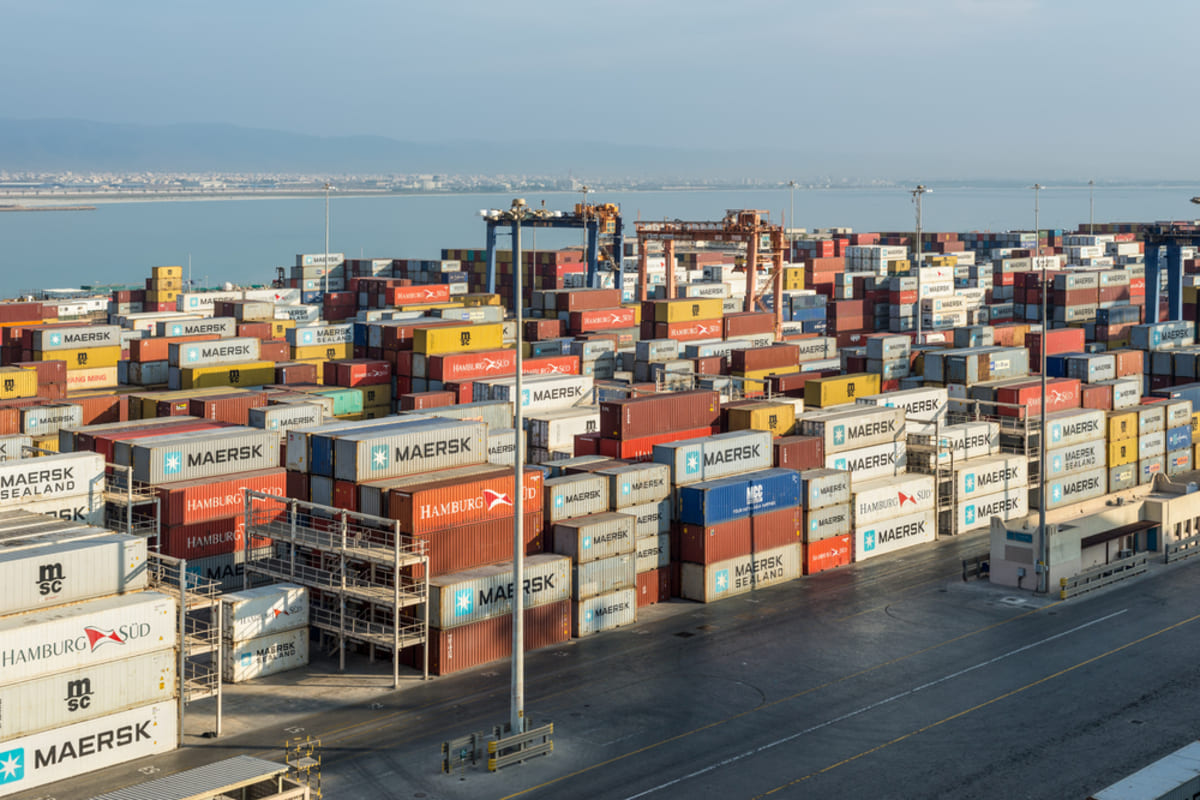
Oman has recently made headlines with an impressive growth in its non-oil exports, soaring by 11.3% to surpass $10 billion by July. This remarkable achievement not only highlights the Sultanate’s commitment to diversifying its economy but also showcases the resilience of its export sector amidst global economic challenges. In this article, we will delve into the factors contributing to this growth, the key sectors driving non-oil exports, and the implications of this trend for Oman’s economy.
Understanding Oman’s Economic Landscape
Over the years, Oman has recognized the necessity of moving away from its reliance on oil revenues. This shift has led to significant investments in various sectors, including manufacturing, agriculture, and tourism. The government has implemented strategic initiatives aimed at enhancing the competitiveness of non-oil exports, creating a more balanced economic landscape.
The growth in non-oil exports is not just a number; it represents a shift in the mindset of Omani businesses and policymakers alike. By focusing on sustainable practices and innovation, Oman is carving a path toward economic resilience.
Key Drivers Behind the Growth
Several factors have contributed to the remarkable 11.3% increase in Oman’s non-oil exports:
Diversification Efforts
The government’s commitment to economic diversification has been pivotal. With initiatives like Vision 2040, Oman is actively encouraging sectors beyond oil, which has led to an increase in exports from industries such as manufacturing and agriculture.
Improved Trade Relations
Oman has been working diligently to strengthen its trade relations with various countries. Trade agreements and partnerships have opened new markets for Omani products, facilitating a smoother flow of exports.
Quality and Standards
Omani exporters have increasingly focused on meeting international quality standards. This dedication to quality has not only enhanced the reputation of Omani products but has also made them more competitive on the global stage.
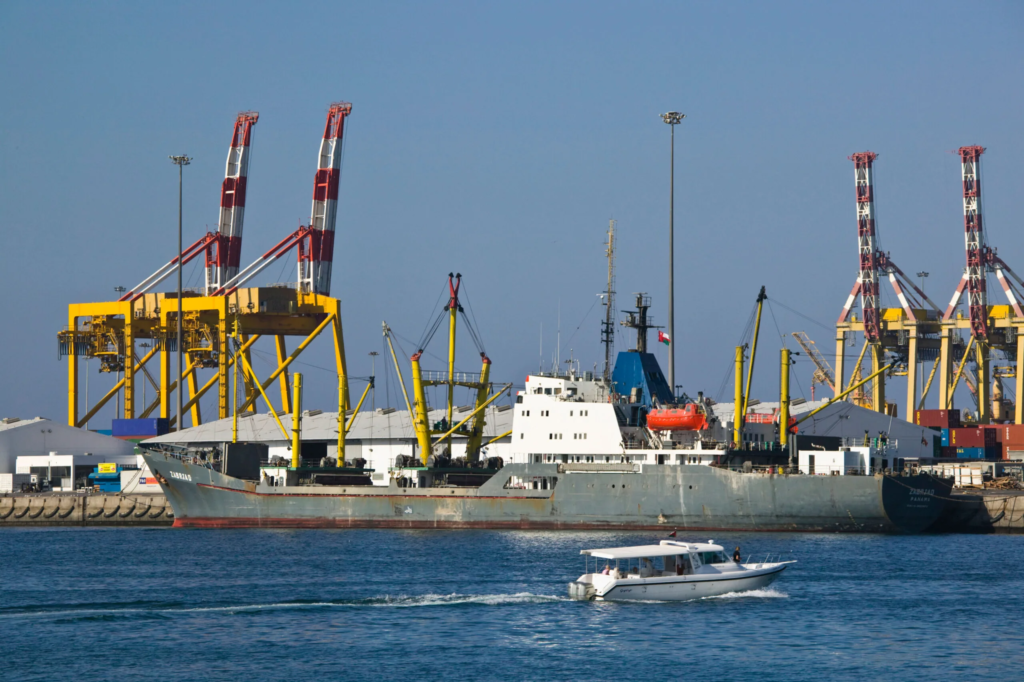
Sectors Leading the Charge
While Oman’s non-oil exports encompass various industries, some sectors have shown exceptional growth:
Manufacturing and Industry
The manufacturing sector has been a significant contributor to the rise in non-oil exports. With advancements in technology and production techniques, Omani manufacturers are producing high-quality goods that meet international demands. Items such as plastics, metals, and textiles are leading the way, showcasing the country’s industrial capabilities.
Agriculture and Fisheries
Oman’s agricultural and fisheries sectors have also played a crucial role in boosting non-oil exports. The government’s investment in sustainable farming practices and aquaculture has resulted in a wider variety of products available for export. Fresh fruits, vegetables, and seafood have found markets in neighboring countries and beyond.
Tourism and Services
Though less traditional, the tourism and services sector is increasingly contributing to non-oil economic growth. As Oman positions itself as a unique destination for travelers, related services such as hospitality, cultural experiences, and eco-tourism are seeing significant demand, creating opportunities for exports in services.
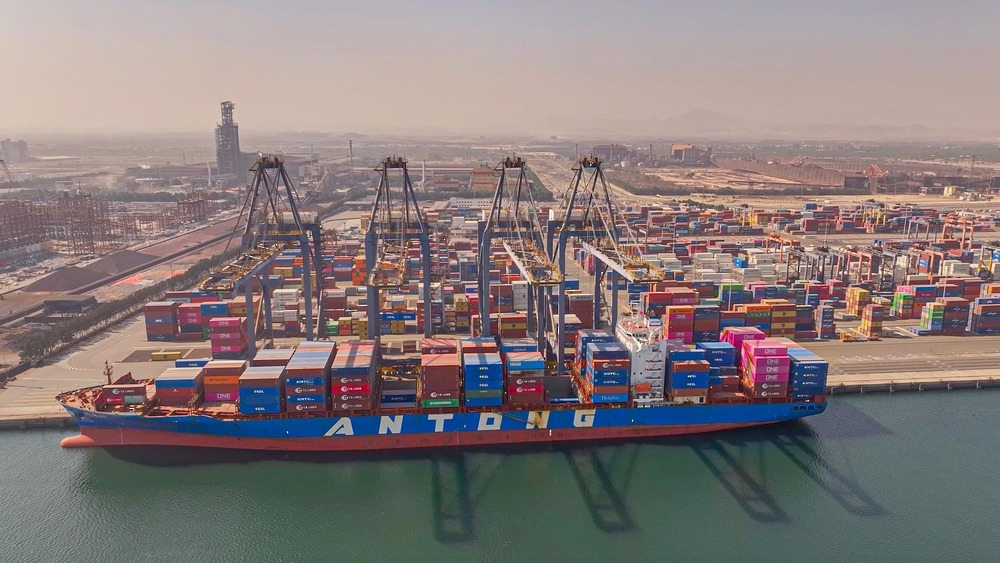
Challenges Ahead
Despite the positive growth in non-oil exports, Oman faces several challenges that could impact future performance. Global economic fluctuations, supply chain disruptions, and competition from other exporting nations are all factors that need careful navigation.
Moreover, maintaining quality while scaling production will be crucial as demand continues to rise. The Omani government and businesses must remain agile, adapting to changes in the global market landscape to sustain this growth trajectory.
The Road to Sustainability
Looking forward, Oman’s focus on sustainability will be vital in maintaining the momentum of its non-oil export growth. By investing in green technologies and sustainable practices, Oman can ensure that its economic diversification efforts are not only successful but also environmentally responsible.
The integration of sustainable practices into manufacturing and agriculture will not only enhance the quality of exports but also align with global trends favoring eco-friendly products. This alignment could open up new markets for Omani goods, further bolstering export numbers.
Conclusion: A Bright Future for Oman’s Economy
Oman’s non-oil exports climbing 11.3% to over $10 billion by July is a testament to the Sultanate’s strategic vision and adaptability. As Oman continues to diversify its economy, the focus on sustainability and quality will be critical in navigating future challenges. The resilience shown in the face of global economic uncertainties reflects a promising future for Oman’s economy.
With ongoing investments in key sectors and strengthened trade relations, Oman is well on its way to establishing itself as a competitive player in the global market. The growth of non-oil exports is not merely a statistic; it represents a dynamic shift towards a more resilient and diversified economy.
Do follow Gulf Magazine on Instagram.
Also Read – Saudi Arabia’s Economy Surges to $1.3 Trillion

