

The economic landscape of Oman is witnessing a significant transformation. With a reported growth of 4.2% in Oman’s non-oil sector during the first half of the year, this development highlights the nation’s ongoing efforts to diversify its economy and reduce dependency on oil revenues. This article delves into the factors contributing to this growth, the implications for Oman’s future, and the sectors driving this positive change.
Understanding Oman’s Economic Context
Historically, Oman has relied heavily on oil exports, which have significantly influenced its economic stability. However, fluctuating oil prices and a global shift towards renewable energy have prompted the Sultanate to rethink its economic strategy. The government has made a concerted effort to promote the non-oil sector, aiming for a resilient economy that can withstand external shocks.
As Oman’s non-oil sector grew 4.2% in H1, it reflects a turning tide towards sustainable economic practices. This shift is not only crucial for immediate economic health but also for long-term stability and growth.
Key Sectors Contributing to Growth
Several sectors have shown remarkable performance, contributing to the growth of Oman’s non-oil sector. These include:
Tourism and Hospitality
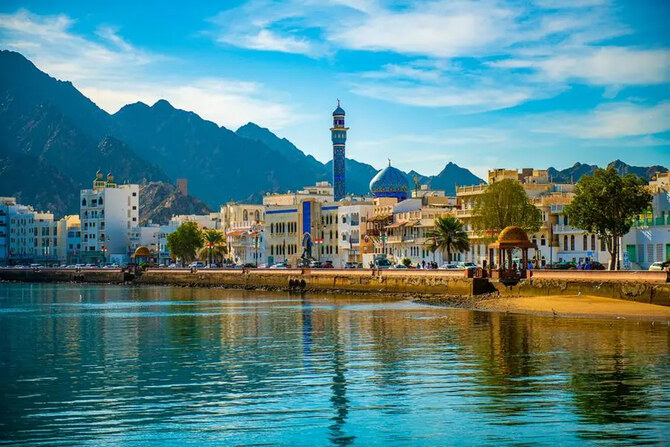
Oman’s rich cultural heritage and stunning natural landscapes are increasingly attracting tourists from around the globe. The government has invested heavily in promoting tourism, enhancing infrastructure, and developing hospitality services. This growth not only creates jobs but also stimulates local businesses.
Manufacturing
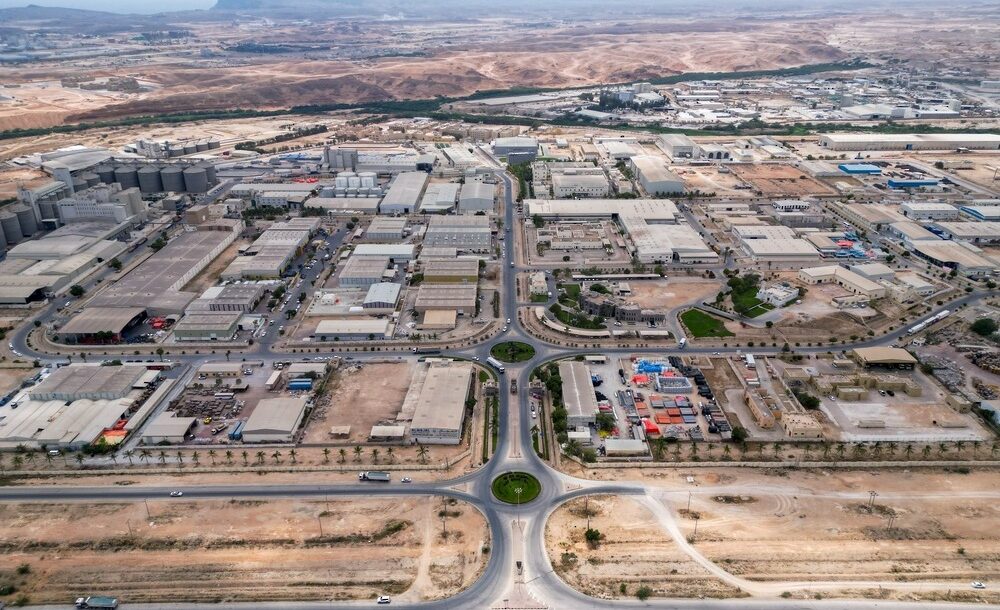
Manufacturing is another sector that has seen significant advancements. The establishment of industrial zones and the introduction of modern technologies have bolstered production capabilities. This growth in manufacturing reduces reliance on imports and enhances local job creation, fostering a self-sustaining economy.
Agriculture
Oman is also focusing on enhancing its agricultural sector. With initiatives aimed at improving food security and sustainable farming practices, the agricultural sector is not only contributing to the economy but also ensuring that Oman can meet its domestic food needs.
Fisheries
The fisheries sector remains a traditional pillar of the Omani economy. With investments in sustainable fishing practices and aquaculture, this sector is experiencing a revival that provides both economic benefits and food resources for the population.
Government Initiatives Supporting Growth
The Omani government has implemented various initiatives to support the growth of the non-oil sector. These include:
Vision 2040: This strategic plan aims to create a diversified economy by promoting sectors such as tourism, manufacturing, and agriculture. By setting clear objectives, the government is aligning resources and efforts towards achieving these goals.
Investment in Infrastructure: Significant investments in infrastructure, including transportation and logistics, have improved connectivity and made it easier for businesses to operate. Enhanced infrastructure attracts foreign investment and facilitates trade, further boosting the non-oil sector.
Incentives for Entrepreneurs: The government is providing incentives for local entrepreneurs, encouraging innovation and the establishment of small and medium-sized enterprises (SMEs). SMEs are crucial for economic diversification, creating jobs and promoting local products.
Challenges Ahead
Despite the positive growth in Oman’s non-oil sector, challenges remain. The global economic environment, geopolitical tensions, and the ongoing transition towards sustainable energy sources can pose threats to this growth. Additionally, developing a skilled workforce that meets the evolving demands of these sectors is crucial for sustained progress.
The Path Forward for Oman
Oman’s non-oil sector grew 4.2% in H1, signaling a promising future for the country’s economy. Continuous efforts in diversification, coupled with a supportive government framework, will be essential in maintaining this growth trajectory. By harnessing the potential of key sectors such as tourism, manufacturing, agriculture, and fisheries, Oman can build a resilient economy capable of navigating the challenges of the future.
In conclusion, the growth of Oman’s non-oil sector represents a significant step towards a more sustainable and diversified economy. This shift not only strengthens the nation’s economic foundation but also enhances its ability to adapt to changing global dynamics. As Oman continues to evolve, the focus on non-oil sectors will undoubtedly pave the way for a prosperous future.
Do follow Gulf Magazine on Instagram.
Also Read – Oman Logistics Growth 2025: Key Insights & Trends

