

In an ambitious strategy to boost its economy, Kuwait is preparing a $7 billion pipeline stake sale aimed at attracting foreign capital. This initiative marks a significant step in the nation’s ongoing efforts to diversify its economy and reduce dependence on oil revenues. With the global energy landscape evolving rapidly, Kuwait recognizes the importance of foreign investment in its infrastructure to ensure sustainable growth and development.
Understanding Kuwait’s Economic Landscape
Kuwait has long relied on its oil reserves, which have been the backbone of its economy for decades. However, as the world shifts towards greener energy sources and fluctuating oil prices pose risks, the need for diversification becomes increasingly urgent. The $7 billion pipeline stake sale is not just a financial transaction; it represents a strategic pivot towards a more resilient and sustainable economic model.
Kuwait’s economy has shown remarkable resilience in the face of global challenges. The World Bank has praised GCC economies, including Kuwait, for their ability to adapt and diversify. The pipeline sale is part of a broader strategy to attract foreign capital, which can provide the much-needed investment in various sectors, including infrastructure, technology, and renewable energy.
The Pipeline Sale: Key Details and Implications
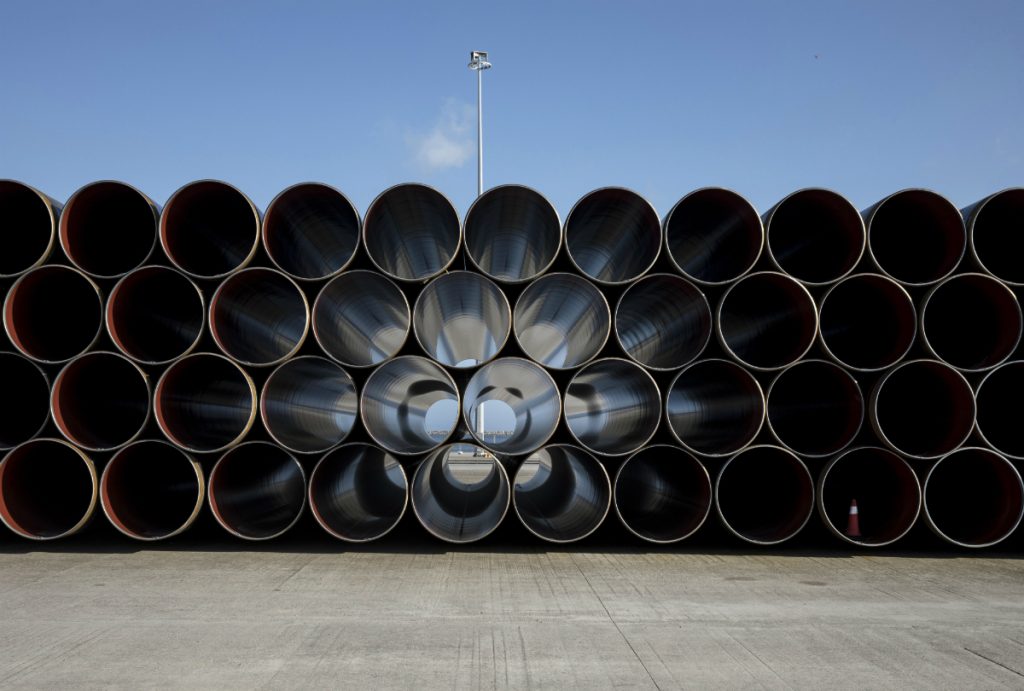
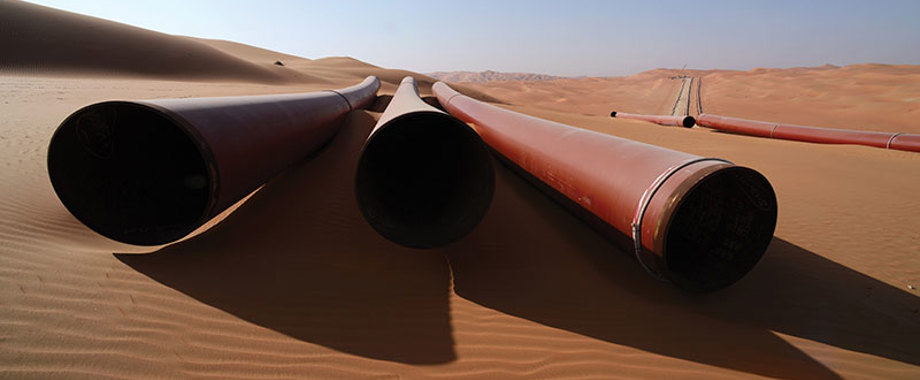
The proposed sale involves a stake in Kuwait’s extensive pipeline network, which is crucial for transporting oil and gas resources. By offering a partial stake to foreign investors, Kuwait aims to inject fresh capital into its economy, which can be used for various developmental projects. This move is expected to not only enhance operational efficiency but also position Kuwait as a competitive player in the global energy market.
Investors are likely to be attracted to this opportunity for several reasons. First, the pipeline network is a critical asset with established revenue streams. Second, Kuwait’s strategic location in the Gulf region offers significant logistical advantages. Lastly, the commitment to economic diversification signals a stable and forward-thinking investment environment.
Attracting Foreign Investment: Challenges and Opportunities
While Kuwait’s $7 billion pipeline stake sale presents an enticing opportunity, there are challenges to navigate. The global investment climate is competitive, and foreign investors often seek stability, transparency, and favorable regulatory environments. Kuwait will need to ensure that its legal and regulatory frameworks are attractive to potential investors.
Moreover, there is a growing global emphasis on sustainability and environmental responsibility. Kuwait must demonstrate its commitment to sustainable practices in the energy sector to appeal to modern investors. This could involve integrating renewable energy initiatives into the pipeline operations or adopting cutting-edge technology to minimize environmental impacts.
The Role of Foreign Capital in Economic Diversification
Foreign capital plays a crucial role in economic diversification, particularly in oil-dependent economies like Kuwait. By attracting international investors, Kuwait can leverage foreign expertise, technology, and innovation. This influx of capital can lead to the development of new industries, job creation, and an overall boost to the economy.
Additionally, foreign investment can enhance Kuwait’s infrastructure, making it more competitive on a global scale. Improved infrastructure can facilitate trade, enhance connectivity, and attract further investments. As Kuwait prepares for the pipeline stake sale, it is essential to communicate the long-term benefits of this investment not just for Kuwait but for the investors as well.

Future Prospects: What Lies Ahead for Kuwait?
As Kuwait embarks on this $7 billion pipeline stake sale, the future looks promising. The successful execution of this sale could pave the way for similar initiatives in other sectors, further enhancing the country’s economic landscape. It could also serve as a model for other GCC countries looking to attract foreign investment and diversify their economies.
Moreover, the focus on transparency and investor relations will be crucial in building trust and ensuring the success of this initiative. Kuwait must be proactive in addressing any concerns from potential investors, providing clear information about the benefits and opportunities associated with the pipeline stake.
In conclusion, Kuwait’s $7 billion pipeline stake sale is more than just a financial maneuver; it is a vital part of the country’s broader strategy to attract foreign capital and diversify its economy. As the global energy market continues to evolve, Kuwait’s commitment to economic resilience and sustainability will be key to its long-term success.
Do follow Gulf Magazine on Instagram.
Also Read – How Locals and Expats View Work-Life Balance Differently

