

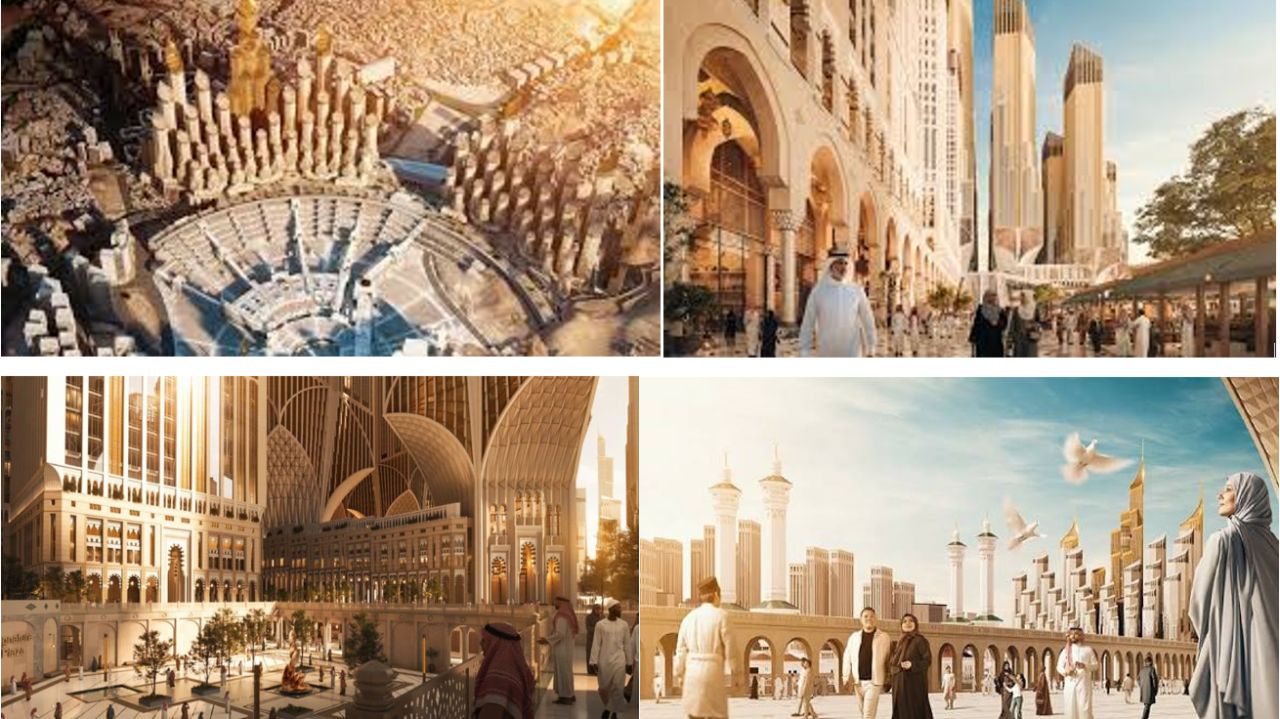
The World Bank has recently revised its growth forecast for Saudi Arabia, projecting an impressive 3.8% growth rate for the nation. This positive outlook not only reflects the resilience of the Saudi economy but also underscores the significant digital advancements taking place across the Gulf region. As countries within the Gulf Cooperation Council (GCC) continue to diversify their economies, the focus on digital transformation is becoming increasingly vital. In this article, we’ll explore how these factors intertwine and what they mean for the future of the region.
The Saudi Economic Landscape
Saudi Arabia has long been viewed as a powerhouse within the GCC, primarily due to its vast oil reserves. However, the country has recognized the need to diversify its economy away from oil dependence. This shift is crucial not just for economic stability but for fostering innovation and attracting foreign investment. The World Bank’s lift of the growth forecast is indicative of the success of these efforts.
The government has implemented Vision 2030, a strategic framework aimed at reducing the country’s reliance on oil and promoting sectors such as tourism, entertainment, and technology. This ambitious plan has paved the way for a more dynamic economy, creating new job opportunities and enhancing the overall quality of life for its citizens.

Digital Transformation in the Gulf
One of the most exciting developments within the Gulf region is the rapid digital leap that countries like Saudi Arabia are experiencing. The COVID-19 pandemic accelerated the adoption of digital technologies, and now, many Gulf nations are leading the way in innovation. This digital transformation is not merely about technological advancements; it encompasses a broader vision of how economies can leverage technology to enhance productivity and efficiency.
Saudi Arabia’s commitment to becoming a digital hub is evident in its investments in technology infrastructure. The government has been actively promoting initiatives to foster a digital economy, encouraging startups and tech companies to thrive. This focus on innovation is crucial for meeting the demands of a rapidly changing global market.
Economic Resilience Amid Global Challenges
The resilience of the Saudi economy is particularly noteworthy given the global challenges that have arisen in recent years. From fluctuating oil prices to the economic repercussions of the pandemic, Saudi Arabia has shown an ability to adapt and overcome obstacles. The World Bank’s growth forecast is a testament to this resilience, highlighting the effectiveness of the government’s policies and reforms.
Furthermore, the diversification of the economy has provided a buffer against economic shocks. By expanding into sectors beyond oil, the Saudi economy is better positioned to withstand fluctuations in the global market. This adaptability is a crucial factor in fostering long-term economic stability.
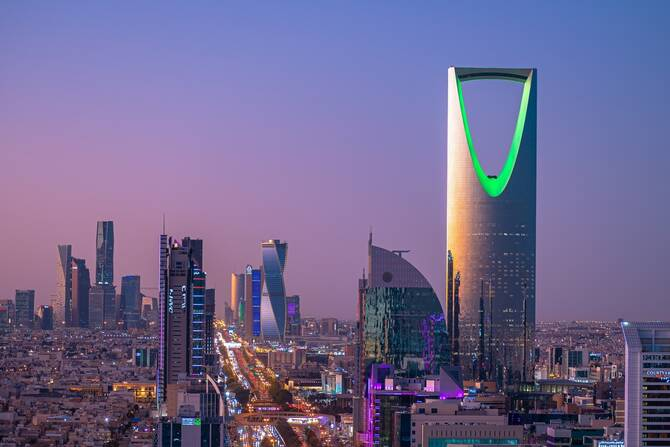
The Role of Foreign Investment
Foreign investment plays a significant role in the economic landscape of Saudi Arabia and the broader Gulf region. As the World Bank lifts the growth forecast, it also highlights the importance of attracting foreign capital to support ongoing development efforts.
Saudi Arabia has been actively working to create a more attractive environment for foreign investors. Initiatives such as easing regulations, offering incentives, and streamlining processes are all geared towards creating a welcoming atmosphere for international businesses. The influx of foreign investment not only brings capital but also expertise and innovation, further fueling the country’s economic growth.
The Future of the Gulf Economy
The World Bank’s optimistic outlook for Saudi Arabia’s growth at 3.8% signals a promising future for the Gulf economy as a whole. As nations within the GCC continue to embrace digital innovation and diversify their economic portfolios, the region is likely to emerge as a global player in various sectors.
The focus on digital transformation will remain central to this growth trajectory. With advancements in artificial intelligence, fintech, and e-commerce, the Gulf region is poised to lead the way in technological innovation. This shift will not only enhance economic performance but also improve the quality of life for its citizens.
Conclusion
The World Bank’s decision to lift Saudi Arabia’s growth forecast to 3.8% is a significant indicator of the positive changes taking place within the kingdom and the Gulf region at large. As countries in the GCC continue to embrace digital advancements and diversify their economies, the future looks bright. The resilience demonstrated by Saudi Arabia amidst global challenges is a testament to its commitment to innovation and economic stability. The digital leap being taken by the Gulf nations is not just a trend but a fundamental shift that will shape the region’s economic landscape for years to come.
Do follow Gulf Magazine on Instagram.
Also Read – Is International Schooling Still Affordable in the Gulf?

