

The Gulf Cooperation Council (GCC) economies are on the brink of a transformative shift, as strong non-oil growth is expected to bolster their resilience amid OPEC+ production adjustments. This pivotal moment represents not just a response to fluctuating oil prices, but also a strategic pivot towards diversification and sustainability. As we delve into the factors driving this growth, it becomes clear that the GCC’s economic future looks promising, even in the face of global energy challenges.
Understanding the OPEC+ Production Shifts
OPEC+, which includes the Organization of the Petroleum Exporting Countries and its allies, plays a crucial role in global oil supply management. In response to changing market dynamics, OPEC+ has made strategic decisions to adjust production levels. These shifts can create ripples across economies reliant on oil exports. However, GCC nations are increasingly focused on minimizing their dependence on oil revenues, thus paving the way for robust non-oil growth.
By investing in various sectors such as tourism, finance, technology, and renewable energy, GCC economies are not just weathering the storm of fluctuating oil prices but are emerging stronger and more diversified. This shift is essential, particularly as global energy consumption trends evolve and the demand for oil may plateau in the coming years.
The Rise of Non-Oil Sectors
The GCC countries have recognized the need to cultivate their non-oil sectors to ensure sustainable growth. Industries such as tourism and hospitality are seeing substantial investments, leading to infrastructure development that attracts both regional and international visitors. For instance, the UAE has positioned itself as a global tourism hub, with initiatives like Expo 2020 showcasing its attractions.
Moreover, the technology sector is experiencing rapid expansion, with startups and established firms alike contributing to economic diversification. Governments are encouraging innovation through favorable policies and funding, which in turn fuels job creation and enhances the overall economic landscape.
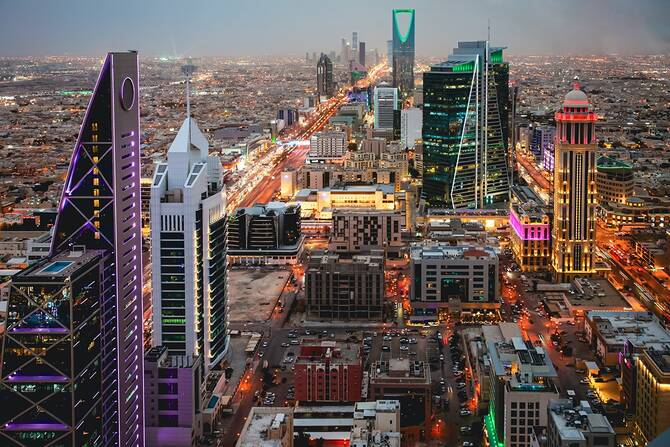
Economic Diversification Strategies in GCC Nations
To support non-oil growth, GCC nations are implementing various economic diversification strategies. These strategies focus on enhancing competitiveness, attracting foreign investment, and promoting entrepreneurship.
For instance, Saudi Arabia’s Vision 2030 is a comprehensive plan aimed at reducing the country’s dependence on oil and fostering a more diverse economy. This ambitious initiative includes the development of entertainment, tourism, and renewable energy sectors, all designed to create a more balanced economic structure.
Similarly, Qatar’s National Vision 2030 emphasizes sustainable development and economic diversification, focusing on knowledge-based industries and enhancing the private sector’s role in driving growth.
The Role of Innovation and Investment
Innovation is at the heart of the GCC’s non-oil growth strategy. Governments are investing heavily in technology and education to foster a culture of innovation. Initiatives such as incubators, accelerators, and technology parks are supporting startups and encouraging research and development.
Investment in renewable energy is also becoming a priority. Countries like the UAE and Saudi Arabia are making significant strides in solar and wind energy, aligning with global sustainability goals while simultaneously creating new economic opportunities. This commitment to green energy not only supports diversification but also positions the GCC as a leader in the global energy transition.

Challenges and Opportunities Ahead
While the outlook for strong non-oil growth in GCC economies is positive, challenges remain. Global economic uncertainties, geopolitical tensions, and the need for continuous adaptation to technological advancements can pose threats. However, these challenges also present opportunities for growth and innovation.
GCC nations must remain agile and responsive to changing market conditions. By fostering a business-friendly environment and encouraging public-private partnerships, they can enhance their resilience against external shocks.
Conclusion: A Bright Future for GCC Economies
In conclusion, the strong non-oil growth expected to support GCC economies amid OPEC+ production shifts marks a significant turning point. As these nations embrace diversification and innovation, they are laying the groundwork for sustainable economic prosperity. The commitment to expanding non-oil sectors not only strengthens their economies but also enhances their global competitiveness.
The future looks bright for GCC economies, driven by a strategic focus on innovation, investment, and diversification. As they navigate the complexities of the global market, the emphasis on non-oil growth will be instrumental in ensuring long-term stability and success.
Do follow Gulf Magazine on Instagram.
Also Read – Kuwait Property Market Sees Strong Business Confidence

