

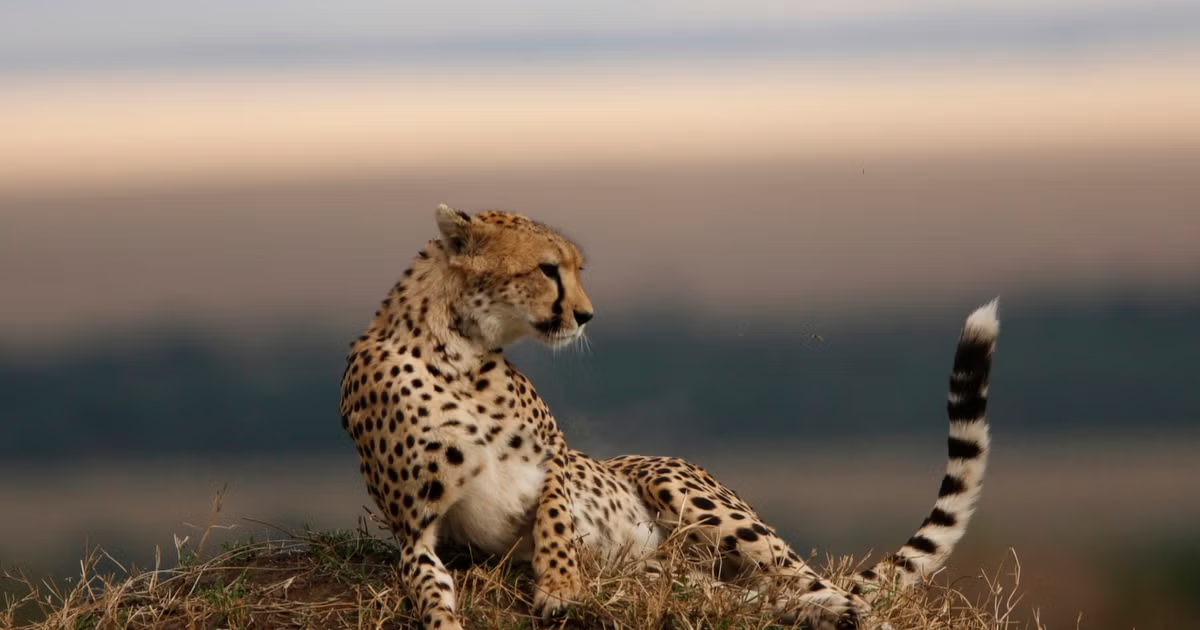
Across the vast golden landscapes of Saudi Arabia, where sand dunes meet rugged mountains and ancient trade routes fade into history, a bold and emotional question is emerging: could one of the world’s rarest animals return to these lands and thrive once again?
The Asiatic cheetah, once roaming freely across the Middle East, India, and Central Asia, now survives only in a small pocket of Iran. With fewer than a hundred believed to exist, the species teeters on the edge of extinction. Yet, in a time when Saudi Arabia is investing heavily in environmental restoration and wildlife protection, the idea of rewilding this iconic predator is no longer just fantasy. It is becoming a symbol of hope, ambition, and ecological healing.
The Lost Guardian of Ancient Deserts
For thousands of years, cheetahs were part of Arabia’s natural heritage. They hunted gazelles across open plains and played a vital role in keeping ecosystems balanced. Over time, human expansion, hunting, habitat destruction, and the decline of prey species pushed them into disappearance.
By the mid-20th century, cheetahs had vanished from Saudi Arabia entirely. What remained were stories, cultural references, and fading memories of a creature once admired for its grace and speed.
The Asiatic cheetah is not just an animal; it represents a lost chapter of desert life. Its potential return would reconnect modern Saudi Arabia with a forgotten part of its natural identity.
Why Rewilding Matters More Than Ever
Rewilding is more than releasing animals into the wild. It is about restoring entire ecosystems so nature can regulate itself again. In Saudi Arabia, rewilding has become a core part of Vision 2030, with projects focused on biodiversity, sustainability, and environmental tourism.
The country has already launched massive conservation initiatives, including protected reserves, breeding programs for endangered species, and the restoration of native vegetation. Bringing back a top predator like the cheetah could transform these efforts from symbolic to truly transformative.
A healthy predator population helps control herbivore numbers, which prevents overgrazing and allows plant life to recover. Over time, this creates stronger soil, more water retention, and richer biodiversity. In short, one animal can influence an entire landscape.
Is Saudi Arabia a Suitable Home Today?
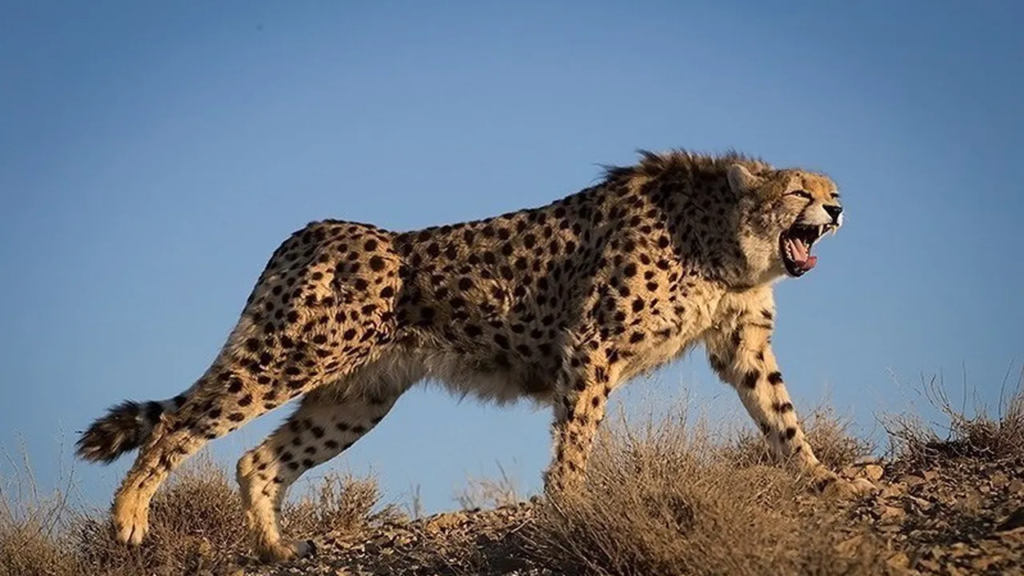
At first glance, Saudi Arabia might seem too harsh for such a fragile species. But recent studies suggest the opposite. Several regions, particularly in the northwest and central areas, still contain suitable habitats with low human density and growing wildlife populations.
Gazelles, Arabian oryx, and ibex are already being reintroduced into protected areas. These species were once natural prey for cheetahs. With prey slowly returning and human pressure decreasing in conservation zones, the ecological conditions are gradually becoming favourable again.
Modern technology also changes everything. Satellite tracking, AI monitoring, drones, and wildlife health data allow conservationists to protect animals far more effectively than in the past.
In other words, the desert is no longer abandoned. It is being carefully rebuilt.
The Emotional Weight of Near Extinction
There is something deeply human about the story of the Asiatic cheetah. It reflects our own mistakes, but also our ability to learn and repair.
Knowing that fewer than a hundred remain creates a sense of urgency that goes beyond science. Each individual cheetah carries genetic value, evolutionary history, and a fragile future. Losing them would not just be a biological loss, but a moral one.
Rewilding in Saudi Arabia could become one of the most powerful conservation stories of this century. Not because it is easy, but because it shows what is possible when nations choose restoration over destruction.
Challenges That Cannot Be Ignored
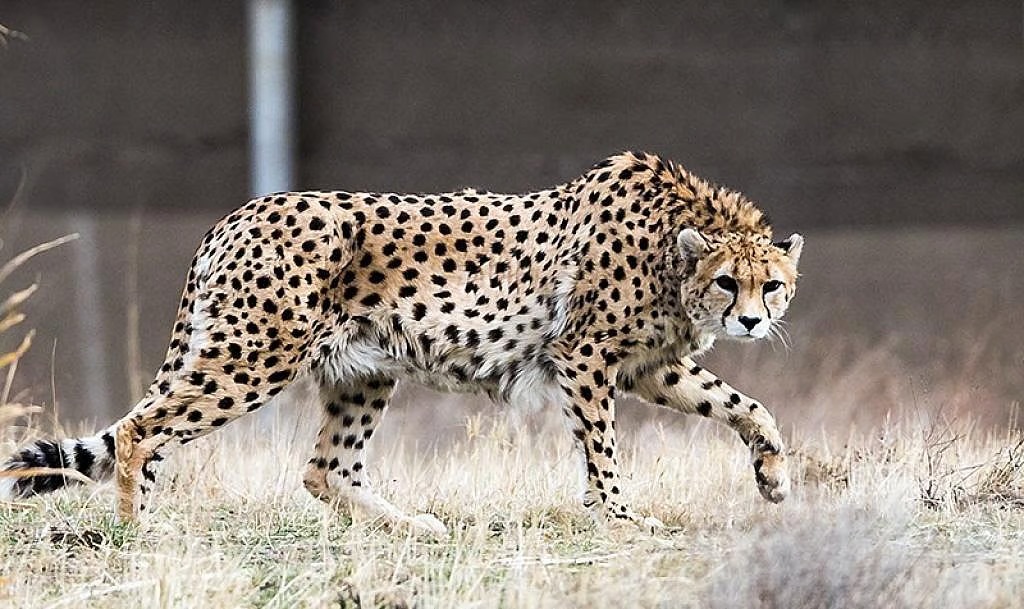
Despite the optimism, this dream is filled with serious obstacles.
The first is genetics. With such a small population, the Asiatic cheetah suffers from low genetic diversity. Any relocation would require careful breeding strategies to avoid further weakening the species.
The second challenge is human coexistence. Even in protected areas, cheetahs may wander into communities, roads, or livestock zones. This creates potential conflict that must be addressed through education, compensation programs, and strong wildlife management.
The third issue is international cooperation. Since the remaining cheetahs are currently in Iran, any rewilding effort would require complex diplomatic agreements and long-term scientific collaboration.
This is not just a Saudi project. It would need to become a regional and global mission.
A New Identity for Conservation in the Gulf
For decades, the Gulf region has been associated with rapid development and environmental strain. But that narrative is changing. Saudi Arabia, in particular, is positioning itself as a leader in ecological innovation.
Massive green initiatives, renewable energy investments, and wildlife protection programs are redefining how the world sees the region. Reintroducing the Asiatic cheetah would elevate this transformation from policy to legacy.
It would send a message that economic growth and environmental responsibility can coexist. That modern progress does not have to erase the past, but can revive it.
Tourism, Education, and Cultural Impact
The return of the cheetah would not only benefit ecosystems, but also people.
Eco-tourism focused on conservation could bring sustainable income to rural regions. Educational programs could inspire young Saudis to pursue careers in biology, environmental science, and wildlife protection.
More importantly, the cheetah could become a national symbol of resilience and renewal. Just as pandas represent conservation in China, the Asiatic cheetah could become a living emblem of Saudi Arabia’s green future.
What Success Would Truly Look Like
True success would not be measured by headlines or photo opportunities. It would be measured by generations.
A successful rewilding would mean cheetahs breeding naturally, hunting freely, and living without constant human intervention. It would mean gazelles thriving, vegetation recovering, and ecosystems stabilising.
It would also mean people learning to live alongside wildlife with respect rather than fear.
This kind of success takes decades, not years. It requires patience, funding, scientific integrity, and emotional commitment.
A Story of Hope in a Fragile World
In a time when climate change, extinction, and environmental collapse dominate global conversations, the idea of bringing a species back feels almost revolutionary.
The Asiatic cheetah represents a rare opportunity to reverse a tragic trend. To not just protect what remains, but to rebuild what was lost.
Saudi Arabia stands at a crossroads where it can either be remembered for what vanished, or for what returned.
Rewilding the cheetah is not just about saving an animal. It is about redefining humanity’s relationship with nature. About choosing healing over loss. About proving that even on the edge of extinction, hope can still run faster than despair.
And perhaps one day, across the silent dunes of Arabia, the world’s fastest land animal will once again sprint under open skies, not as a memory, but as a living promise of renewal.
Do follow Gulf Magazine on Instagram.
Also Read – Eco-Friendly Living Trends in Gulf Homes Today

