

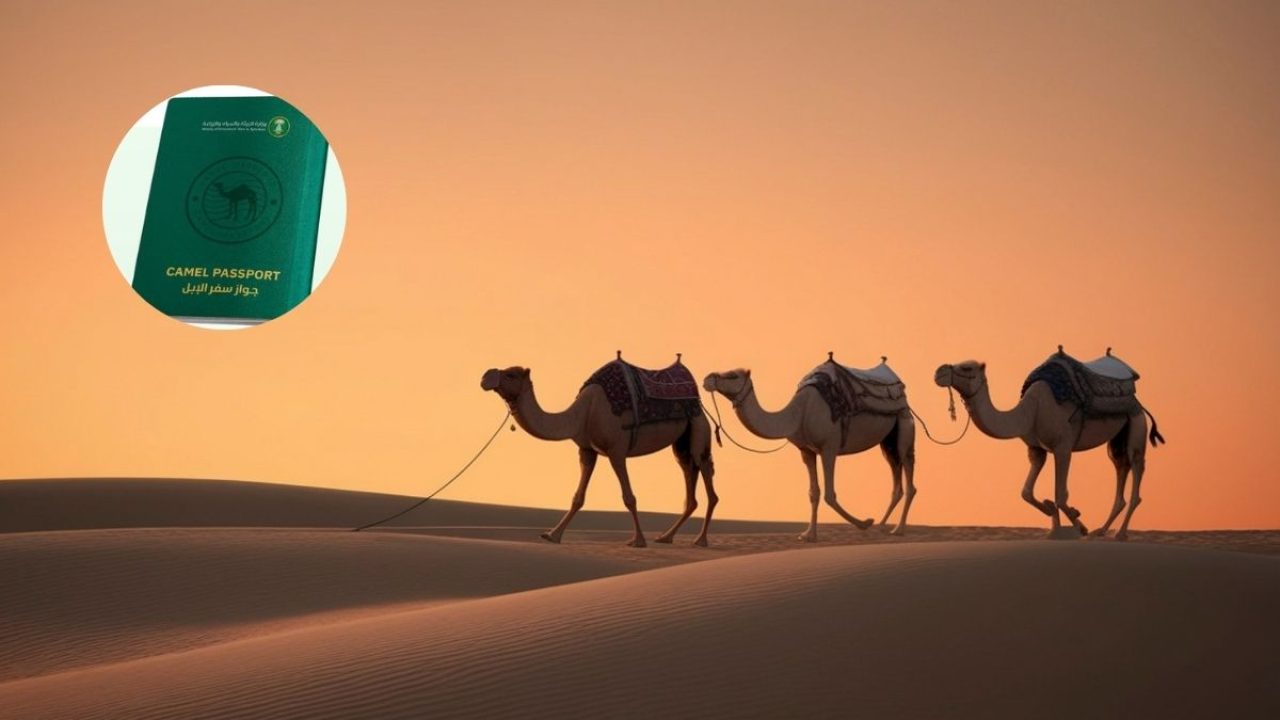
Saudi Arabia has introduced official passports for camels, marking a groundbreaking moment in the country’s efforts to modernise and regulate one of its most culturally significant sectors. Often described as the “ships of the desert,” camels have long been central to Saudi heritage, trade, and identity. Now, with the launch of a formal passport system, the Kingdom is blending tradition with technology to protect, organise, and strengthen its camel industry.
The new camel passports will include key details such as the animal’s place of birth, breed, ownership records, and identification numbers. Much like human passports, these documents are designed to create a verified identity for each camel, helping authorities track animals across regions while supporting breeders, traders, and event organisers.
This initiative reflects Saudi Arabia’s broader vision to professionalise traditional sectors and align them with global standards.
Why Camel Passports Are Needed
The camel sector in Saudi Arabia has grown rapidly in recent years. Camels are no longer only used for transport or farming; they now play major roles in racing, beauty competitions, tourism, dairy production, and even scientific research. Some elite camels are worth millions of riyals, making accurate documentation more important than ever.
Without a central registration system, the industry has faced challenges such as identity fraud, disputes over ownership, unclear breeding records, and difficulties in disease control. The camel passport aims to solve these issues by providing a single, trusted source of information for every registered animal.
For breeders, this means greater credibility. For buyers, it offers transparency. For regulators, it creates a foundation for smarter policymaking.
What Information Will Camel Passports Include
Each passport will carry essential data that uniquely identifies a camel. This includes:
Place of birth, helping trace geographic origin
Breed classification, especially important for purebred camels
Ownership history, reducing disputes and fraud
Health and vaccination records
Digital identification codes linked to national databases
In the future, the system may also integrate biometric data such as microchips or DNA profiles, further strengthening traceability and security.
Boosting the Camel Economy
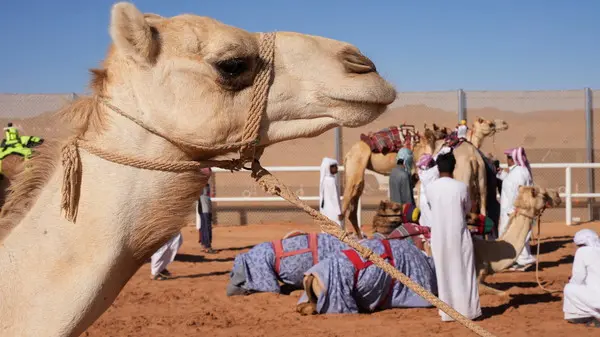
Saudi Arabia hosts some of the world’s largest camel markets and festivals, including high-profile beauty contests and racing events. With camel passports in place, these activities can operate with higher levels of professionalism and trust.
Investors and sponsors are more likely to support a regulated industry. Banks and insurers can offer specialised financial products for camel owners. Export opportunities may also expand, as international buyers often require strict documentation before importing livestock.
In economic terms, the passport system transforms camels from informal assets into fully recognised economic entities.
Protecting Heritage Through Modern Tools
While the policy is deeply rooted in regulation, its emotional impact is just as powerful. For many Saudis, camels represent family history, pride, and identity passed down through generations.
By documenting each camel’s lineage, the government is also preserving cultural memory. Breeding lines that might otherwise be lost can now be recorded, studied, and protected. This helps ensure that rare or traditional breeds survive in an era of rapid urbanisation and lifestyle change.
The passport system does not replace tradition; it safeguards it for the future.
Supporting Animal Health and Welfare
Another major advantage of camel passports is improved animal welfare. With centralised records, authorities can monitor disease outbreaks more effectively and ensure timely vaccinations and treatments.
In case of epidemics, officials can quickly identify affected regions and trace animal movements. This protects not only camels but also farmers, traders, and the wider food supply chain.
Health data also allows researchers to study long-term trends, improving veterinary care and breeding practices.
Technology Behind the System
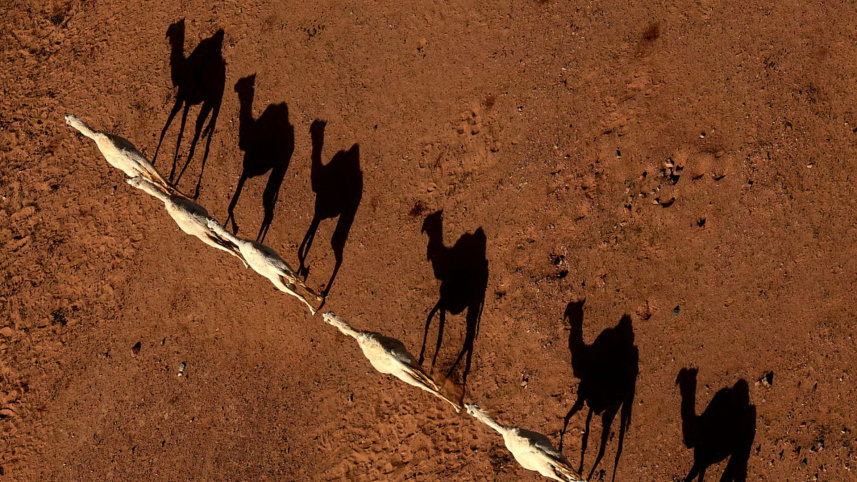
The camel passport initiative is expected to rely heavily on digital platforms. Owners will likely register camels through online portals or authorised centres, where data is stored in national databases.
Mobile apps may allow owners to access passport details instantly, update ownership records, or book veterinary services. Event organisers could scan digital IDs at races or exhibitions, ensuring only registered camels participate.
This digital approach reflects Saudi Arabia’s wider transformation into a data-driven society.
Impact on Camel Racing and Beauty Contests
Camel racing and beauty competitions are massive industries in the Gulf, attracting global attention and large prize pools. The passport system brings transparency to these events.
Judges can verify breeds and ages. Organisers can prevent duplicate entries. Owners can prove authenticity without disputes.
Over time, this may raise international credibility, opening doors for global partnerships and broadcasting deals.
Encouraging Youth and New Entrepreneurs
Interestingly, the passport system may also attract younger generations. Traditionally, camel breeding has been dominated by older communities, but digital tools and official recognition make the sector more appealing to tech-savvy entrepreneurs.
Young Saudis can now view camel ownership as a legitimate business opportunity, supported by data, regulation, and national policy. This aligns with broader goals of youth employment and economic diversification.
Strengthening Saudi Arabia’s Global Image
On the global stage, the camel passport initiative sends a clear message: Saudi Arabia is serious about modern governance, even in traditional industries.
Few countries have implemented such detailed livestock identity systems for cultural animals. This positions the Kingdom as a pioneer, blending heritage with innovation.
It also enhances Saudi Arabia’s image in international agriculture, tourism, and sustainability forums.
Challenges and Public Adaptation
As with any major reform, challenges remain. Some camel owners may resist registration due to costs, privacy concerns, or fear of bureaucracy. Others may struggle with digital systems, especially in remote areas.
To address this, authorities are expected to offer training programs, mobile registration units, and awareness campaigns explaining the benefits of passports.
Success will depend on public trust and ease of use.
Long-Term Vision for the Sector
In the long run, camel passports could lead to a fully integrated ecosystem, where breeding, health, trade, insurance, and tourism operate within a single digital framework.
This could include:
National camel statistics dashboards
Smart markets with instant verification
International camel export standards
Research partnerships with universities
What begins as a simple passport may evolve into one of the most advanced animal identity systems in the world.
A Symbol of Modern Saudi Identity
At its core, the camel passport is more than a regulatory tool. It symbolises a new Saudi identity, one that respects tradition while embracing progress.
By giving camels official recognition, Saudi Arabia is also recognising the people, stories, and history behind them. It transforms an ancient companion of the desert into a documented citizen of the modern economy.
In a world where technology often erases cultural roots, Saudi Arabia’s camel passport does the opposite. It protects the past while building the future.
Do follow Gulf Magazine on Instagram.
Also Read – Asiatic Cheetah Rewilding Saudi Arabia: A Desert Dream

