


The annual Hajj pilgrimage is one of the largest gatherings of people on the planet, drawing millions of Muslims from around the world to the holy cities of Mecca and Medina. With such a massive influx of pilgrims, the demand for healthcare services surges dramatically. Saudi Arabia’s health sector is uniquely positioned to handle this influx, providing essential medical care and ensuring the well-being of all attendees.
In this article, we will explore how Saudi Arabia’s health sector effectively manages the medical needs during Hajj, addressing challenges, innovations, and the overall commitment to public health.
Understanding the Scale of Hajj
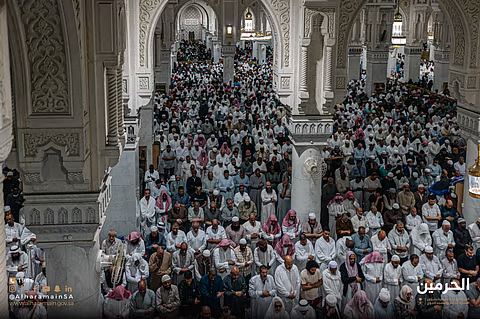
Hajj takes place annually and is a religious obligation for Muslims who are physically and financially able to undertake the journey. With over two million pilgrims attending in recent years, the sheer volume of people presents a unique set of challenges for the healthcare system.
During Hajj, common health issues include heat-related illnesses, respiratory infections, and chronic condition exacerbations. The Saudi health sector has to be prepared for a wide range of medical situations, from minor ailments to critical emergencies.
Advanced Infrastructure for Health Services
Saudi Arabia has invested significantly in healthcare infrastructure, particularly in regions heavily impacted by Hajj. Hospitals and clinics have been established to cater specifically to the needs of pilgrims, staffed with trained professionals who understand the unique challenges of providing care in such a dynamic environment.
Major hospitals in Mecca and Medina are equipped with state-of-the-art facilities. They have emergency departments, specialized units, and even mobile clinics that can reach pilgrims at various locations around the holy sites. This comprehensive network ensures that immediate medical assistance is always available.
Coordination and Integration of Services
Efficient coordination between various healthcare bodies is essential during Hajj. The Saudi Ministry of Health collaborates with other governmental agencies, including the Red Crescent, to ensure a seamless healthcare experience for pilgrims.
This collaboration means that not only are the hospitals prepared, but so are field hospitals and healthcare teams stationed in key areas around the pilgrimage. This integrated approach allows for quick response times and adequate patient flow management, ensuring that no individual is left without care.
Preventative Health Measures
Preventative health measures are a cornerstone of Saudi Arabia’s strategy to manage Hajj’s medical needs. Vaccination campaigns are conducted well in advance, focusing on immunizations for diseases like meningitis and influenza.
Health education is also a crucial aspect. Pilgrims receive information on how to care for their health while performing rituals, including hydration tips, the importance of rest, and recognizing when to seek medical help. This proactive approach helps minimize the number of health incidents during the pilgrimage.
Addressing Unique Health Challenges
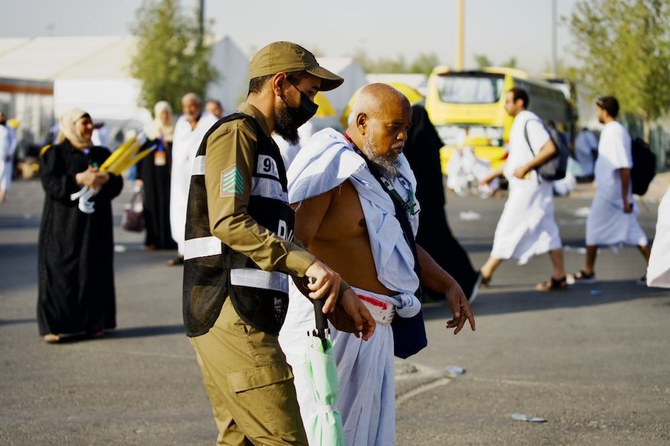
The diverse demographics of pilgrims present unique health challenges. Many attendees may have pre-existing conditions or be elderly, making them more vulnerable.
Saudi Arabia’s health sector has developed specialized care protocols to address these needs. Medical teams are trained to recognize and respond to complications specific to different populations, ensuring that every pilgrim receives personalized care.
In addition, the rise of telemedicine during Hajj allows for remote consultations. Pilgrims can connect with healthcare professionals for non-emergency issues without needing to visit a facility, thereby reducing congestion and allowing for more efficient use of resources.
The Role of Technology in Health Services
Technology plays a pivotal role in enhancing healthcare delivery during Hajj. The use of electronic health records ensures that patient information is readily accessible to healthcare providers, regardless of where the pilgrim receives treatment.
Mobile applications have also emerged, providing pilgrims with real-time information about health services, nearby clinics, and emergency protocols. This integration of technology not only streamlines healthcare delivery but also empowers pilgrims to take charge of their health.
A Commitment to Continuous Improvement
Saudi Arabia’s health sector is committed to continuously improving its services. After each Hajj season, comprehensive assessments are conducted to evaluate the healthcare response. Feedback from healthcare professionals and pilgrims helps identify areas for enhancement.
This commitment to learning and adaptation ensures that the health sector evolves to meet the growing demands of future Hajj seasons. By embracing innovation and best practices, Saudi Arabia aims to provide an even higher standard of care for pilgrims in the years to come.
Conclusion: A Model for Future Pilgrimages
Saudi Arabia’s health sector has proven its ability to handle the surge in medical needs during Hajj effectively. Through advanced infrastructure, coordinated services, preventative health measures, and the integration of technology, the country ensures that the well-being of pilgrims is always prioritized.
As the number of pilgrims continues to rise, so too does the need for a robust and responsive healthcare system. Saudi Arabia stands as a model for how to manage large-scale health needs during significant religious events, showcasing a compassionate commitment to public health.
Do follow Gulf Magazine on Instagram.
Also Read – Salalah Tourism Festival Opening Draws Massive Crowds

