

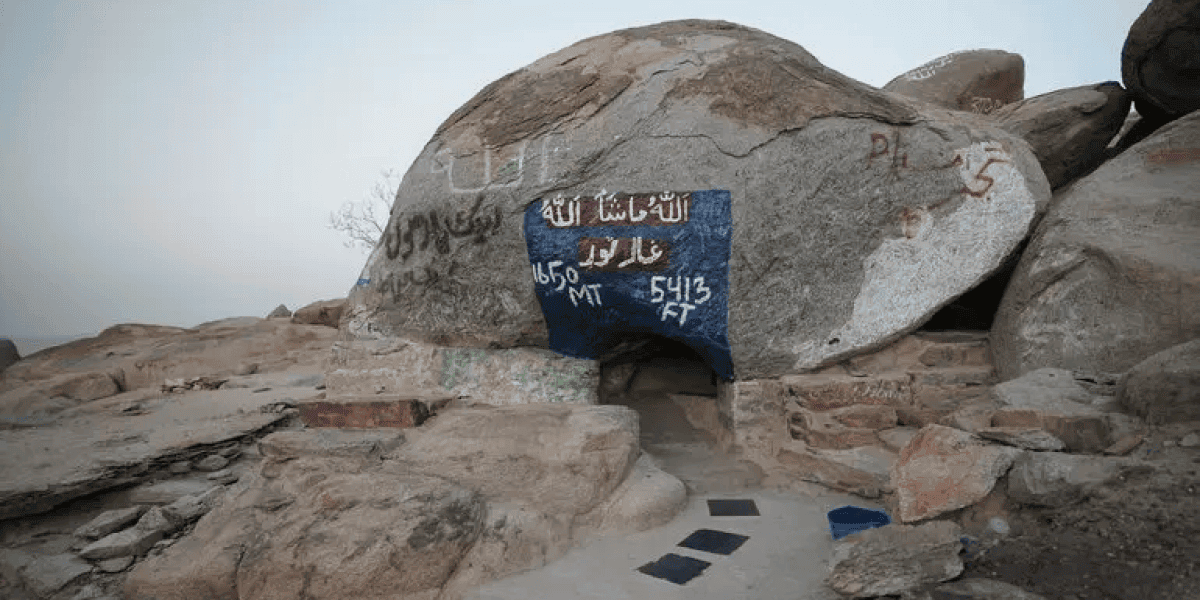
Jabal Thawr, a mountain steeped in history and significance, stands as a monumental symbol of resilience and faith. Nestled in the Arabian Peninsula, this ancient site is not only a geographical landmark but also a profound testament to the trials and triumphs of the early Muslim community. Understanding Jabal Thawr is more than just exploring a physical space; it’s about delving into a rich tapestry of stories and lessons that continue to resonate today.
Exploring the Significance of Jabal Thawr
To truly appreciate Jabal Thawr, one must first grasp its historical context. This mountain is famously known as the refuge of the Prophet Muhammad and his companion Abu Bakr during their migration from Mecca to Medina. This journey, known as the Hijra, marks a pivotal point in Islamic history. The mountain represents not just a physical escape, but also a powerful metaphor for perseverance in the face of adversity.
The story unfolds in the year 622 CE, when the growing hostility towards the early Muslims in Mecca forced them to seek safety. As they fled, they took refuge in a cave atop Jabal Thawr, where they remained hidden for several days. This act of courage and faith laid the foundation for the establishment of the first Muslim community in Medina, marking the beginning of the Islamic calendar.
The Journey to Jabal Thawr
Visiting Jabal Thawr is an adventure that attracts pilgrims, historians, and travelers alike. The ascent to the mountain is not just a physical challenge but also a spiritual journey. As one climbs the rugged paths, the breathtaking views of the surrounding landscape evoke a sense of connection with the past.
The trek to the cave itself is often seen as a pilgrimage, embodying the spirit of struggle and resilience. Each step taken up the mountain symbolizes the challenges faced by the early Muslims. The cave, known as Ghār Thawr, serves as a poignant reminder of the sacrifices made in the name of faith and community.
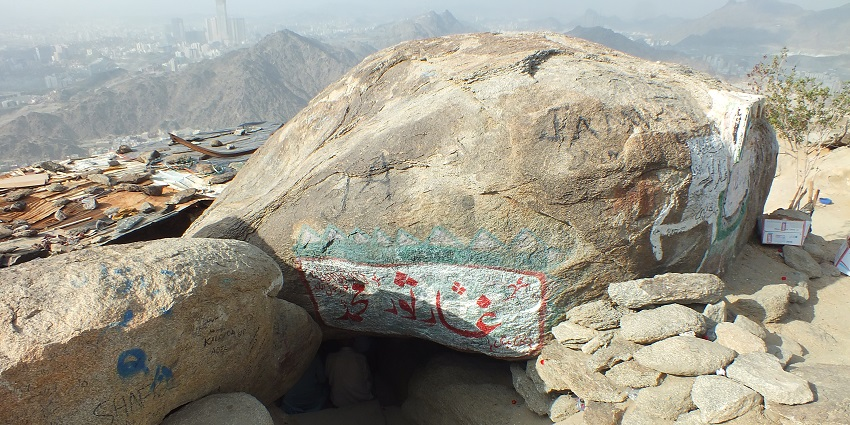
The Cave of Refuge: A Symbol of Resilience
Inside the cave, the air is thick with history. This small, secluded space provided safety for the Prophet Muhammad and Abu Bakr during a critical moment in their lives. The cave is not just a shelter; it is a powerful symbol of hope, illustrating that even in times of despair, refuge can be found.
The surrounding area is rich with historical markers, and visitors often take a moment to reflect on the significance of this sacred place. The cave’s walls tell a story of survival against overwhelming odds, reminding us that resilience often emerges in the darkest of times.
The Cultural Impact of Jabal Thawr
Jabal Thawr has transcended its geographical boundaries to become an emblem of cultural identity and faith for millions around the world. It is revered not only in Islamic tradition but also in the broader narrative of human endurance. The stories of the Prophet and Abu Bakr resonate with those who face their own trials, making the mountain a source of inspiration.
In contemporary society, Jabal Thawr continues to be a focal point for discussions about perseverance, community, and faith. Various cultural expressions, from literature to art, draw upon the rich symbolism of this historical mountain, ensuring that its significance remains alive in the collective consciousness.
Preservation and Tourism: Protecting History
As interest in Jabal Thawr grows, so does the importance of preserving its historical integrity. Local authorities and heritage organizations are working diligently to maintain the site, ensuring that visitors can experience its beauty and significance without compromising its historical value.
Responsible tourism practices are being encouraged to minimize the environmental impact and protect the cultural heritage of the area. Visitors are urged to respect the surroundings, understanding that they are walking in the footsteps of history.
Conclusion: The Enduring Legacy of Jabal Thawr
Jabal Thawr is more than just a mountain; it is a powerful reminder of resilience, faith, and community. Its historical significance continues to inspire individuals to reflect on their own journeys and challenges. As we look to the future, the stories woven into the fabric of this remarkable mountain will undoubtedly endure, encouraging generations to come to embrace courage in the face of adversity.
In a world that often feels fragmented, Jabal Thawr stands as a unifying symbol, inviting all to remember the strength found in unity and perseverance. The lessons learned from this historical mountain remain relevant, reminding us that, like the Prophet Muhammad and Abu Bakr, we too can find refuge and strength in times of hardship.
Do follow Gulf Magazine on Instagram.
Also Read – Jabal Al Noor & Hira Cave Makkah: Ultimate Spiritual Journey

