

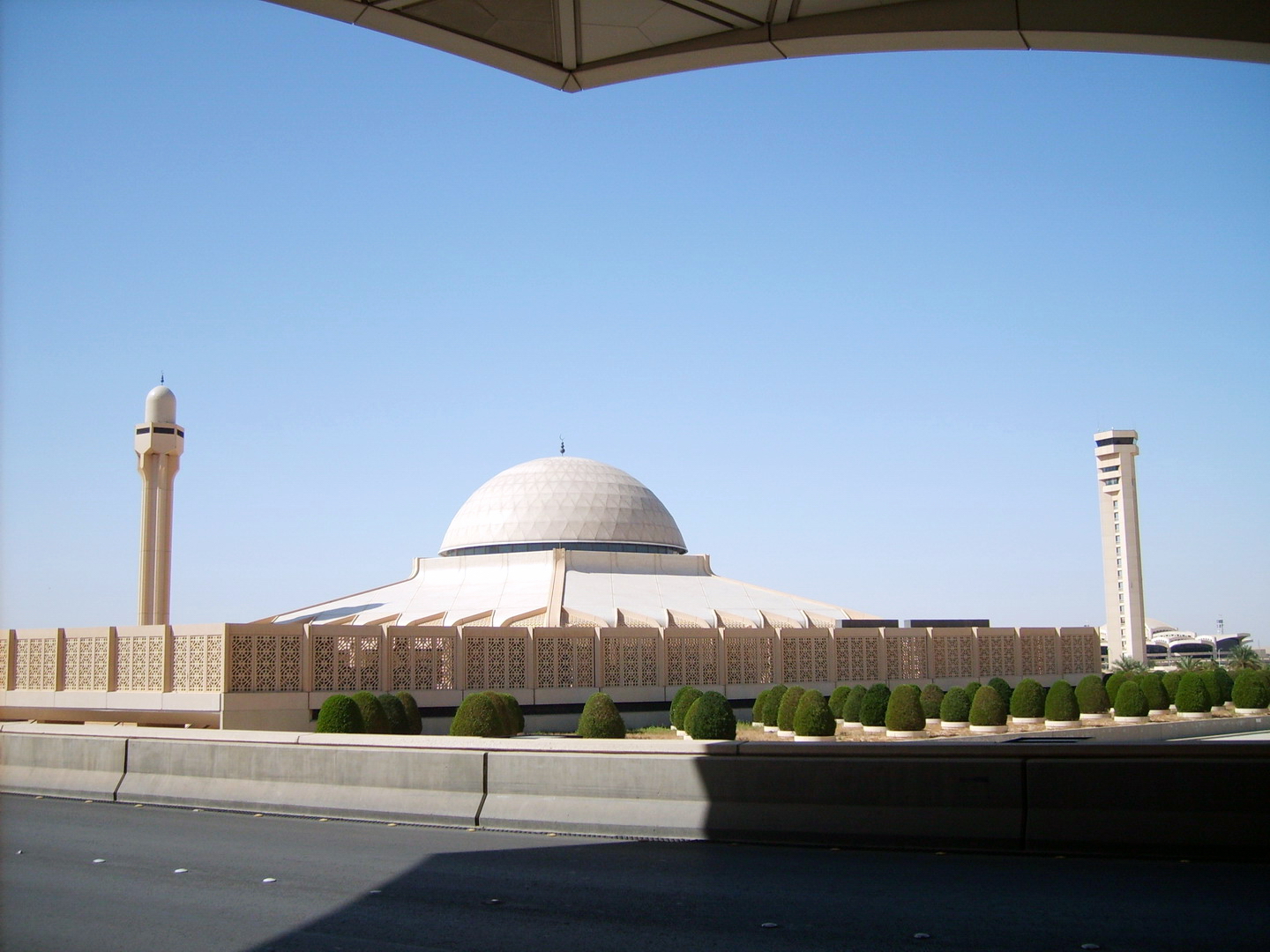
King Khalid Mosque Abha stands as one of the most significant spiritual landmarks in the Asir region of Saudi Arabia. More than just a place of prayer, the mosque has become a symbol of faith, peace, and collective identity for residents and visitors alike. Nestled in the scenic highlands of Abha, surrounded by cool mountain air and lush landscapes, the mosque creates a powerful emotional connection between worshippers and their spiritual journey.
For many people, visiting King Khalid Mosque Abha is not only about fulfilling religious obligations but also about experiencing a sense of calm, belonging, and reflection. It offers a space where hearts find comfort and minds find clarity in the midst of everyday life.
Historical Background and Cultural Significance
The establishment of King Khalid Mosque Abha reflects the broader cultural and religious development of the Asir region. Named after King Khalid bin Abdulaziz, the mosque represents an era of national growth, spiritual strengthening, and community building across Saudi Arabia.
Over the years, the mosque has grown into a cultural anchor for Abha. It hosts daily prayers, Friday sermons, Ramadan gatherings, and religious lectures that bring together people from all walks of life. Elders share wisdom, families pray together, and young people find guidance, making the mosque a living reflection of Saudi Islamic heritage.
Architectural Beauty and Design
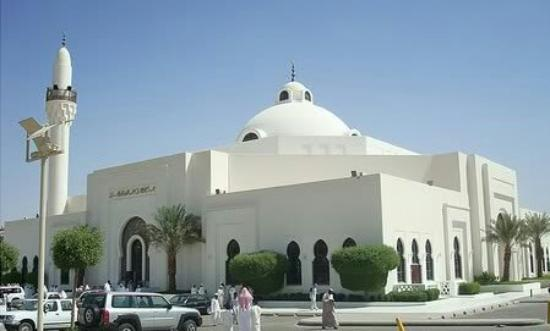
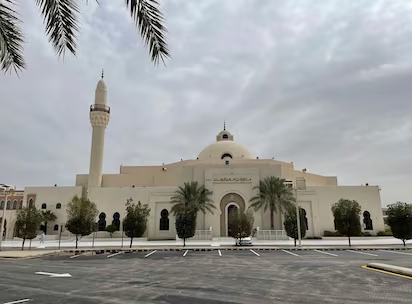
One of the most striking features of King Khalid Mosque Abha is its elegant architectural design. The mosque blends traditional Islamic elements with modern aesthetics, creating a structure that feels both timeless and welcoming.
The towering minarets, spacious prayer halls, and carefully designed domes showcase craftsmanship and artistic detail. Inside, soft lighting, intricate calligraphy, and well-ventilated spaces create an atmosphere of serenity. The architecture is not meant to impress visually alone, but to elevate the spiritual experience of every visitor.
The mosque’s design also takes into account the natural climate of Abha. Large open spaces, airflow-friendly corridors, and shaded areas ensure comfort even during large gatherings, making worship accessible and peaceful throughout the year.
A Center for Community Life
King Khalid Mosque Abha plays a vital role beyond religious worship. It serves as a community hub where social bonds are strengthened and collective values are nurtured.
Families often gather here not only for prayers but also for religious discussions, charity initiatives, and educational activities. During special occasions like Ramadan and Eid, the mosque becomes a vibrant meeting point filled with warmth, generosity, and unity.
Charitable programs organized through the mosque support the needy, distribute food, and provide assistance to families in difficulty. In this way, the mosque transforms faith into action, reminding people that spirituality is deeply connected with compassion and social responsibility.
Spiritual Experience and Emotional Connection
Stepping into King Khalid Mosque Abha offers a deeply emotional experience. The calm environment, rhythmic prayers, and collective worship create a powerful sense of spiritual alignment.
Many worshippers describe feeling a unique sense of peace within its walls. The mosque becomes a refuge from stress, uncertainty, and daily challenges. It allows individuals to reconnect with their inner selves, reflect on life’s purpose, and strengthen their relationship with faith.
For visitors from outside Abha, the mosque often leaves a lasting impression. The combination of natural surroundings and spiritual ambiance creates a memory that stays long after the visit ends.
Role During Ramadan and Religious Events
During Ramadan, King Khalid Mosque Abha becomes one of the most active spiritual centers in the region. Thousands gather for Taraweeh prayers, Quran recitations, and community iftars. The atmosphere during this month is especially powerful, filled with devotion, generosity, and collective hope.
Religious scholars and imams deliver inspiring sermons that address both spiritual and social themes. These sessions attract people of all ages, helping them find guidance, motivation, and moral clarity in their lives.
On Eid days, the mosque becomes a celebration of faith and unity. Families dressed in traditional attire exchange greetings, children experience joy, and the community feels deeply connected through shared rituals and emotions.
Educational and Social Impact
Education is another key pillar of King Khalid Mosque Abha. The mosque regularly hosts Quran classes, Islamic studies sessions, and youth programs. These activities aim to nurture knowledge, ethics, and critical thinking among younger generations.
By offering educational opportunities, the mosque helps bridge the gap between tradition and modern life. It encourages young people to stay connected with their roots while embracing personal growth and responsibility.
Socially, the mosque fosters dialogue, mutual respect, and understanding. People from different backgrounds gather under one roof, united by shared values and collective purpose.
Tourism and Cultural Attraction
King Khalid Mosque Abha is also a notable cultural attraction for tourists visiting the Asir region. While primarily a religious space, the mosque welcomes respectful visitors interested in learning about Islamic culture and Saudi traditions.
Tourists often admire the architectural beauty, peaceful environment, and spiritual energy of the mosque. It becomes a meaningful stop in Abha’s tourism journey, offering a deeper understanding of the region’s identity and values.
The mosque’s presence enhances Abha’s reputation as a destination that blends natural beauty with cultural richness, making it more than just a scenic city.
The Mosque as a Symbol of Unity
At its core, King Khalid Mosque Abha symbolizes unity. It brings together people regardless of age, social status, or background. Within its walls, everyone stands equal, connected by faith and shared humanity.
This sense of unity extends beyond religious practices. The mosque encourages empathy, dialogue, and collective responsibility, strengthening the social fabric of the community.
In a world often divided by differences, the mosque stands as a reminder that faith can be a powerful force for harmony and understanding.
The Future of King Khalid Mosque Abha
Looking ahead, King Khalid Mosque Abha is expected to continue evolving as a spiritual and social institution. With ongoing development in Abha and increased cultural engagement, the mosque will likely expand its educational programs, community services, and outreach activities.
As technology and modern lifestyles reshape society, the mosque remains a stable anchor of values, offering guidance in times of change. Its role will not only be to preserve tradition but also to inspire future generations to live with purpose, kindness, and faith.
Conclusion: A Living Heart of Abha
King Khalid Mosque Abha is more than a building; it is the living heart of a community. It represents faith in action, culture in motion, and unity in diversity. Through prayers, education, charity, and social connection, the mosque touches lives in deeply personal ways.
For residents, it is a spiritual home. For visitors, it is a window into Saudi Islamic identity. And for the future, it stands as a powerful symbol of hope, belonging, and collective strength in the beautiful city of Abha.
Do follow Gulf Magazine on Instagram.
Also Read – Abha Grand Mosque: Main Spiritual Landmark of Asir Region

