

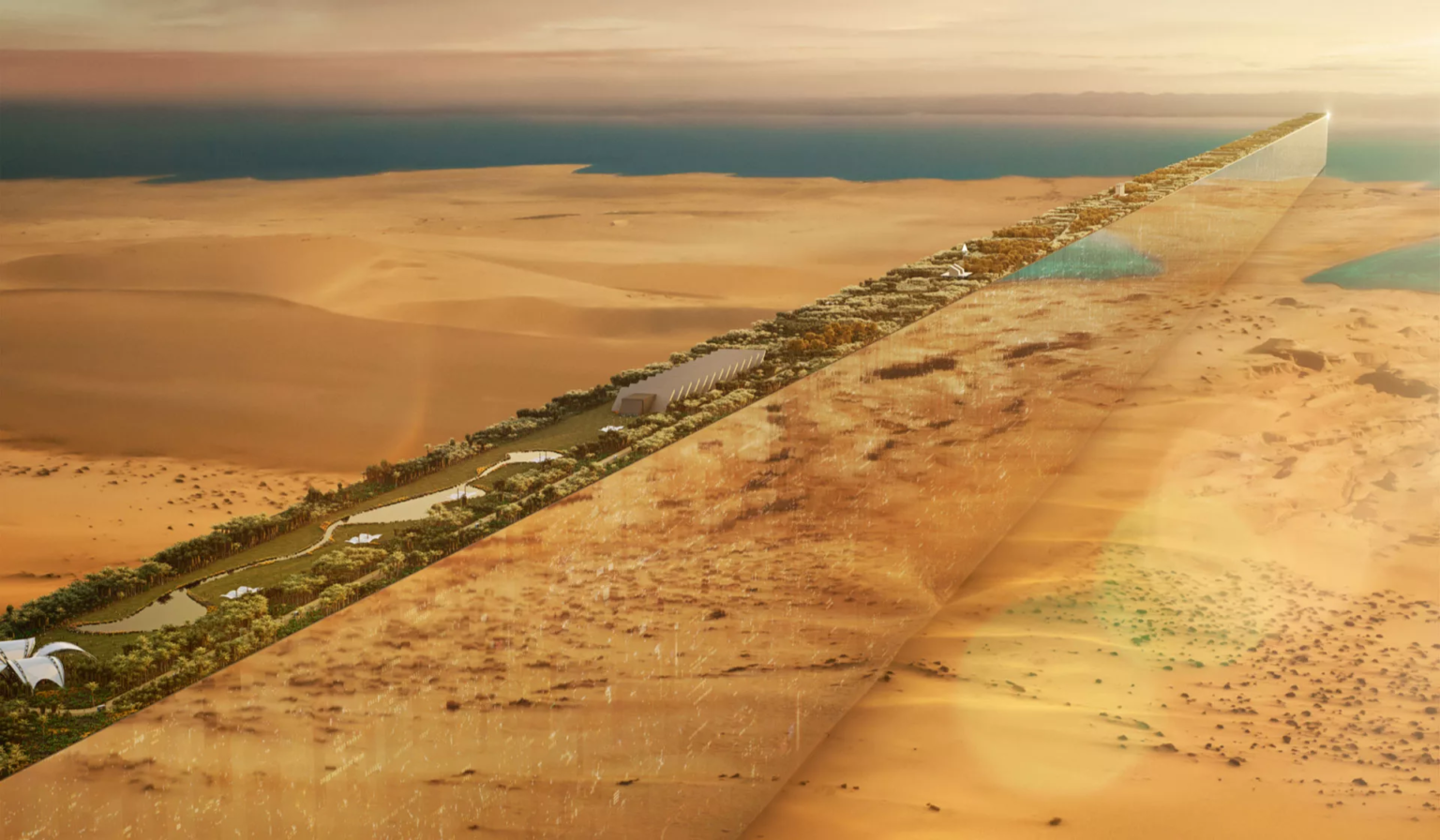
Saudi Arabia is entering a defining chapter in its ambitious transformation journey. Vision 2030, the Kingdom’s long-term development blueprint, is now being recalibrated to match changing global realities and domestic priorities. The updated strategy reflects both confidence and caution confidence in the progress already achieved, and caution in adapting to shifting economic, geopolitical, and energy market conditions.
This strategic overhaul is not about abandoning goals. Instead, it represents a smarter, more focused approach designed to ensure sustainable growth, stronger private sector participation, and measurable outcomes. As Saudi Arabia moves forward, the updated Vision 2030 plan aims to balance ambition with realism while keeping its transformative spirit alive.
Why Vision 2030 Needed a Strategic Reset
When Vision 2030 was launched, it set bold targets to diversify the economy beyond oil, empower citizens, boost tourism, and position Saudi Arabia as a global investment hub. Over the past few years, significant milestones have been achieved. Non-oil sectors have expanded, women’s workforce participation has increased dramatically, mega-projects have reshaped global perceptions, and international partnerships have grown stronger.
However, the global landscape has changed. Economic fluctuations, oil price volatility, geopolitical tensions, and evolving investor expectations have required careful reassessment. A strategy of this scale must remain flexible. The updated plan acknowledges that timelines, priorities, and funding allocations may need refinement to ensure long-term sustainability.
The reset is not a sign of slowing momentum. Instead, it signals maturity—an understanding that transformative visions require periodic evaluation to stay relevant and impactful.
Key Pillars of the Updated Vision 2030 Strategy
Strengthening Economic Diversification
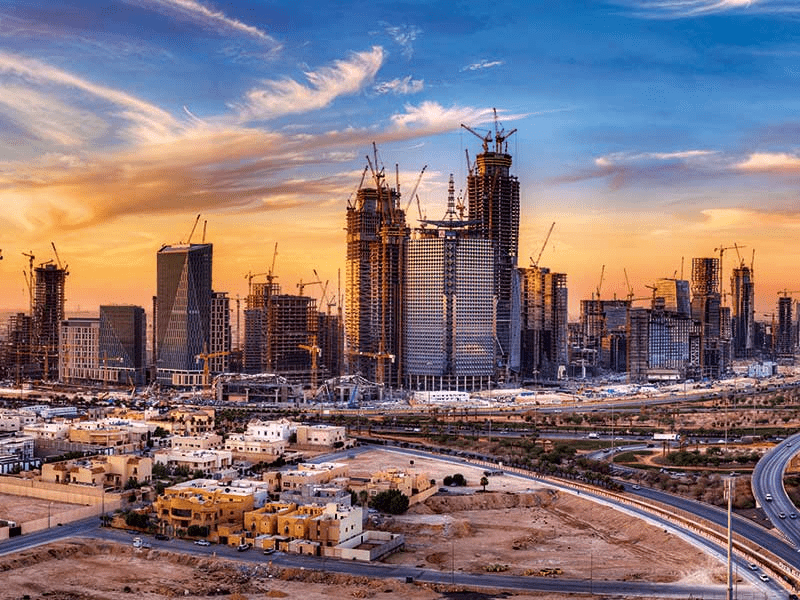
Economic diversification remains the heart of Vision 2030. The updated strategy reinforces efforts to reduce reliance on oil revenues by expanding industries such as tourism, entertainment, technology, renewable energy, manufacturing, and logistics.
Saudi Arabia has already made impressive strides in non-oil GDP growth. The revised approach aims to accelerate this progress by supporting small and medium enterprises, attracting foreign direct investment, and enhancing regulatory reforms that create a more competitive business environment.
By prioritizing sustainable sectors, the Kingdom seeks to create stable income streams that shield the economy from external shocks.
Prioritizing Fiscal Sustainability
Mega-projects like NEOM, the Red Sea development, and Qiddiya have captured global attention. While these initiatives remain central to Vision 2030, the updated strategy introduces more structured spending frameworks and phased implementation plans.
Fiscal discipline is becoming a stronger focus. By aligning expenditures with economic returns and adjusting project timelines when necessary, Saudi Arabia aims to maintain financial stability while continuing development.
This approach reassures investors and citizens alike that growth will be both ambitious and responsible.
Expanding Private Sector Participation
A major objective of Vision 2030 has always been increasing private sector contribution to GDP. The updated strategy intensifies efforts to create a business-friendly ecosystem, simplify procedures, and encourage entrepreneurship.
Public-private partnerships are expected to play a larger role in infrastructure, healthcare, education, and technology projects. By empowering the private sector, the government can focus on policy and regulation while businesses drive innovation and job creation.
This shift is crucial for building a dynamic, self-sustaining economy.
Social Transformation at the Core
Empowering Citizens
Beyond economic reforms, Vision 2030 has always been about people. The updated strategy continues to prioritize citizen empowerment through improved education systems, vocational training, and skill development programs.
Saudi youth represent a significant portion of the population. Equipping them with future-ready skills is essential for sustaining economic transformation. Programs that enhance digital literacy, entrepreneurship, and leadership development are likely to expand further under the revised framework.
Women’s participation in the workforce, which has seen remarkable growth, will continue to be supported through inclusive policies and workplace reforms.
Enhancing Quality of Life
From entertainment festivals to sports events and cultural initiatives, Saudi Arabia has transformed daily life in ways few could have imagined a decade ago. The updated Vision 2030 strategy reinforces this commitment to quality of life improvements.
Investments in healthcare, urban development, green spaces, and cultural preservation aim to create vibrant, livable cities. Tourism expansion also plays a role in enriching cultural exchange while boosting economic growth.
The human dimension remains central—progress is measured not only by economic output but also by the well-being of citizens.
Mega-Projects: Smarter, Phased Development
Saudi Arabia’s giga-projects symbolize its bold ambitions. However, the updated strategy introduces a more phased and strategic execution model. This ensures projects are aligned with market demand, financial feasibility, and long-term sustainability.
NEOM, for instance, continues to represent innovation and futuristic urban planning. Yet, implementation timelines and scale adjustments allow for steady, achievable progress rather than rushed expansion.
Such recalibration reflects practical governance. It demonstrates that large-scale visions can coexist with prudent management.
Renewable Energy and Sustainability Goals
A critical element of the Vision 2030 overhaul is strengthening sustainability commitments. Saudi Arabia aims to become a leader in renewable energy production, particularly in solar and wind power.
The updated strategy emphasizes carbon reduction initiatives, green hydrogen projects, and environmental conservation efforts. As global demand for clean energy grows, the Kingdom sees an opportunity to diversify its energy portfolio while maintaining leadership in global energy markets.
Balancing traditional energy dominance with renewable innovation positions Saudi Arabia for a resilient future.
Global Positioning and Strategic Partnerships
Saudi Arabia’s global role has expanded significantly in recent years. Hosting international events, forging diplomatic partnerships, and strengthening trade ties have enhanced its global standing.
The updated Vision 2030 strategy builds on this momentum by focusing on strategic international collaborations. Foreign investment attraction remains a top priority, supported by improved transparency, regulatory reforms, and investment incentives.
The Kingdom’s growing influence in global economic forums reflects its determination to shape, not just follow, global trends.
Challenges and Realistic Expectations
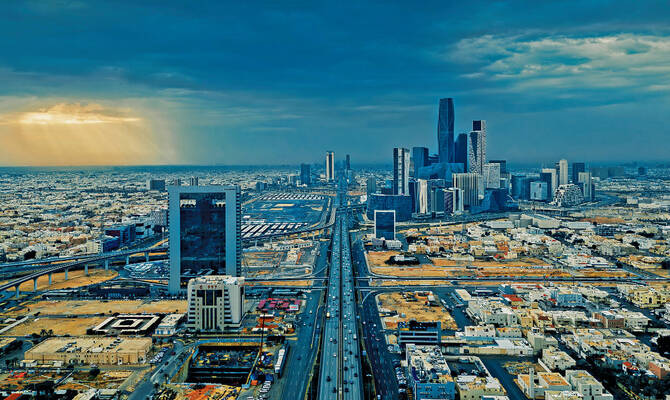
Every ambitious transformation faces challenges. Funding large projects while maintaining fiscal stability requires careful planning. Balancing rapid development with sustainable growth demands disciplined execution.
The updated strategy acknowledges these realities. Instead of overstretching resources, the government appears committed to prioritizing high-impact initiatives and adjusting timelines where necessary.
Such pragmatism strengthens credibility. It sends a clear message: Vision 2030 is not a short-term campaign but a long-term national journey.
What This Means for Citizens and Investors
For citizens, the updated strategy promises continued opportunities new jobs, improved services, and a stronger economy. For investors, it signals stability and thoughtful governance.
Confidence often grows when strategies evolve with circumstances. By recalibrating its approach, Saudi Arabia demonstrates strategic awareness and responsible leadership.
The Vision 2030 overhaul is not about slowing down. It is about building smarter, stronger foundations for lasting success.
A Vision That Continues to Evolve
Vision 2030 was never meant to be static. It was designed as a transformative framework capable of adapting to change. The updated strategy reflects lessons learned, achievements gained, and ambitions refined.
Saudi Arabia stands at a pivotal moment. With significant progress already achieved, the Kingdom now enters a phase of consolidation and focused acceleration. The revised approach blends bold aspiration with practical execution.
At its core, Vision 2030 remains a story about transformation of an economy, a society, and a nation redefining its future. The updated strategy does not diminish that story. It strengthens it.
As the Kingdom moves forward, the world watches a nation that is not afraid to reassess, refine, and recommit to its goals. The Vision 2030 overhaul signals resilience, adaptability, and unwavering ambition qualities that will shape Saudi Arabia’s next chapter of growth and global leadership.
Do Follow Gulf Magazine on Instagram
Read More:- Historic Early Visa Launch Promises Seamless Hajj 2026 Journey

