

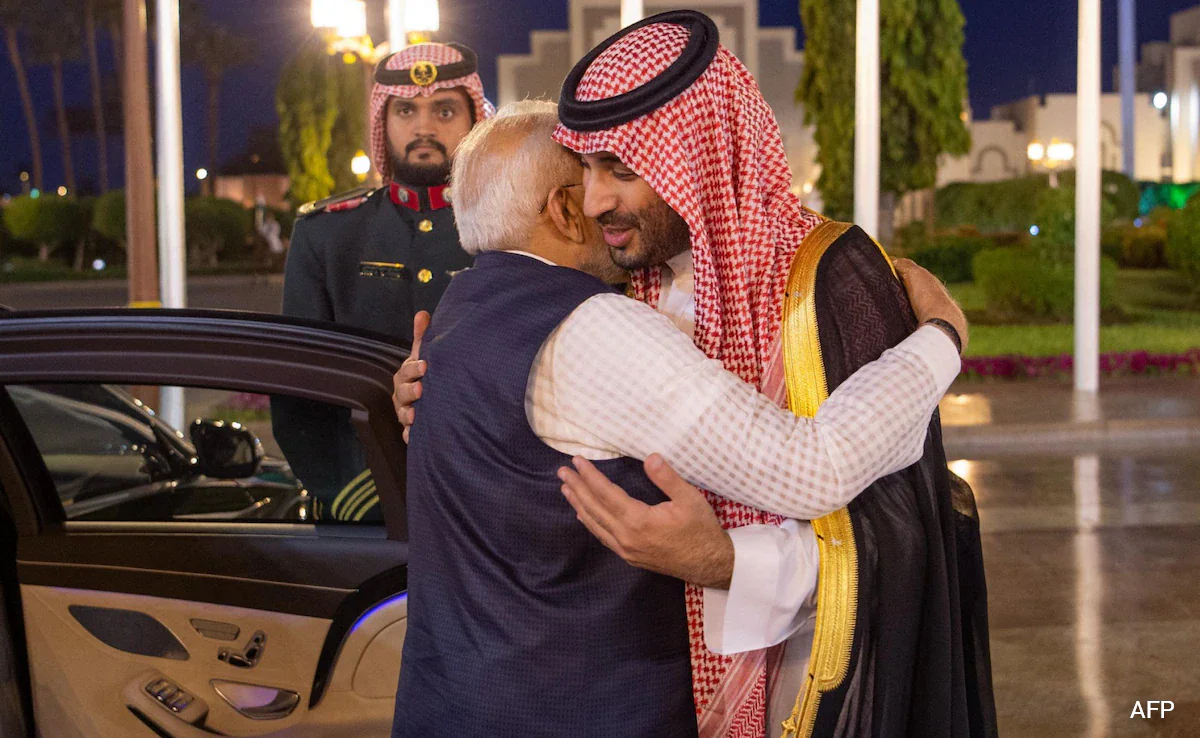
The relationship between India and Saudi Arabia has moved far beyond oil shipments and traditional commerce. A new trade framework between the two nations is opening doors to something much bigger a partnership built on innovation, diversification, and long-term economic ambition.
For decades, India and Saudi Arabia have shared strong economic ties. Today, that bond is evolving into a strategic collaboration that could redefine exports, technology transfer, and industrial growth. The new framework is not just about increasing trade volumes. It is about reshaping how two major economies work together in a rapidly changing global landscape.
A New Era of Economic Cooperation
The global economy is shifting. Supply chains are being redesigned, nations are looking for resilient partnerships, and technology is transforming every sector. In this context, India and Saudi Arabia are aligning their visions.
Saudi Arabia’s Vision 2030 aims to diversify its economy beyond oil, invest in innovation, and build world-class industries. India, on the other hand, is positioning itself as a global manufacturing hub and a digital powerhouse. When these two ambitions meet, the results can be powerful.
The new trade framework focuses on reducing barriers, encouraging investments, and expanding cooperation in priority sectors. It creates structured platforms for businesses to collaborate, governments to coordinate policies, and innovators to share expertise.
Supercharging Indian Exports
Expanding Beyond Traditional Sectors

Historically, trade between India and Saudi Arabia has been dominated by crude oil imports into India and limited categories of exports going the other way. Now, the opportunity lies in diversification.
India can significantly increase exports in sectors such as pharmaceuticals, food products, textiles, chemicals, engineering goods, and automobiles. Saudi Arabia’s growing consumer market and infrastructure expansion create demand for precisely these categories.
With streamlined customs processes and stronger bilateral agreements, Indian exporters can enter the Saudi market more confidently. This reduces uncertainty and improves competitiveness.
Boosting MSMEs and Startups
One of the most exciting aspects of the new framework is its potential to empower small and medium enterprises. Indian MSMEs often struggle with market access and international compliance standards. Structured trade cooperation can provide clarity on regulations, standards, and certifications.
For Indian startups, especially in technology and services, Saudi Arabia offers a rapidly modernizing economy eager for innovation. Fintech, health tech, edtech, and logistics solutions can find new opportunities in a country investing heavily in digital transformation.
This is not just about large corporations. It is about giving smaller businesses the confidence to go global.
Strengthening Supply Chain Integration
Global supply chains are being reimagined to reduce dependency on single markets. India can position itself as a reliable supplier of high-quality goods to Saudi Arabia’s growing industrial base.
In return, Saudi investments in Indian logistics, ports, and industrial corridors can improve export efficiency. Better infrastructure and deeper integration mean faster deliveries, lower costs, and stronger trade resilience.
Technology: The True Game Changer
If exports are the visible outcome of this partnership, technology is the engine driving it.
Digital Collaboration and Innovation
Saudi Arabia is investing billions in smart cities, artificial intelligence, renewable energy, and advanced manufacturing. India has a vast talent pool of engineers, software developers, and IT professionals.
The new framework encourages joint ventures, research partnerships, and technology exchange programs. Indian tech companies can contribute to Saudi digital projects, while Saudi investors can back Indian innovation ecosystems.
This creates a win-win situation. Saudi Arabia gains access to skilled talent and cost-effective solutions. India gains capital, new markets, and exposure to large-scale transformation projects.
Renewable Energy and Green Technology
Energy remains central to the India–Saudi relationship, but the focus is expanding. Both countries are investing in renewable energy and sustainability.
India has made remarkable progress in solar energy and green hydrogen. Saudi Arabia is also positioning itself as a leader in clean energy development. Cooperation in these sectors can accelerate technology transfer, joint research, and cross-border investments.
Green collaboration not only strengthens trade ties but also aligns both nations with global climate goals.
Advanced Manufacturing and Industry 4.0
Saudi Arabia’s industrial diversification efforts require advanced manufacturing technologies, robotics, and automation. India’s growing capabilities in Industry 4.0 solutions can play a key role here.
Joint manufacturing projects, technology parks, and skill development initiatives can transform the industrial landscape. Indian engineers and companies can help build the factories of the future, while Saudi capital and infrastructure can scale these projects rapidly.
Investment Flows That Multiply Impact
Trade frameworks are not just about goods and services. They are about investment confidence.
Saudi sovereign funds and private investors are increasingly looking at India’s growth story. Infrastructure, renewable energy, real estate, logistics, and technology startups are attractive sectors.
When investments flow both ways, trade becomes more stable. Companies feel secure entering long-term contracts. Governments gain deeper economic interdependence, which strengthens diplomatic relations as well.
For India, increased Saudi investment can create jobs, improve infrastructure, and strengthen manufacturing capabilities. For Saudi Arabia, investing in one of the world’s fastest-growing large economies ensures diversification and strong returns.
Human Capital and Skill Exchange
Behind every trade agreement are people. Engineers, entrepreneurs, students, and professionals are the real drivers of growth.
The new framework can expand educational partnerships, skill development programs, and talent mobility. Indian professionals already contribute significantly to Saudi Arabia’s workforce. Formalizing cooperation in skill training and certification can elevate this contribution to a strategic level.
Knowledge exchange programs, joint research centers, and academic partnerships can create long-term innovation pipelines. This human dimension adds depth and sustainability to the economic relationship.
Challenges That Must Be Addressed
While the opportunities are enormous, challenges remain. Regulatory differences, compliance standards, and bureaucratic delays can slow progress. Businesses require clarity and consistency in policies.
Both governments will need to ensure transparent communication, faster dispute resolution mechanisms, and predictable regulatory environments.
There is also the need for cultural understanding. Business practices differ, and trust is built over time. Structured business forums and regular high-level dialogues can bridge these gaps.
If these challenges are addressed proactively, the trade framework can deliver on its promise.
A Strategic Shift in Global Positioning
The new India–Saudi trade framework is not happening in isolation. It reflects a broader geopolitical shift. Countries are building stronger bilateral and regional alliances to reduce risks and create stable growth pathways.
For India, strengthening ties with Saudi Arabia enhances its presence in West Asia and secures vital economic partnerships. For Saudi Arabia, deeper engagement with India supports its diversification strategy and access to one of the largest consumer markets in the world.
This partnership sends a powerful signal to global investors that both countries are serious about reform, innovation, and long-term collaboration.
The Road Ahead
The real impact of the new trade framework will depend on implementation. Policies must translate into real contracts, real investments, and real jobs.
Business leaders, policymakers, and entrepreneurs have a shared responsibility. They must seize the momentum, build trust, and turn agreements into action.
If executed effectively, this framework can supercharge Indian exports, accelerate technological collaboration, and reshape economic ties for decades to come. It has the potential to transform a traditional trade relationship into a forward-looking strategic alliance.
For exporters in India, this is a moment of possibility. For Saudi innovators and investors, it is a gateway to one of the most dynamic economies in the world. And for both nations, it is an opportunity to build a future defined not just by trade figures, but by shared progress and innovation.
Do Follow Gulf Magazine on Instagram
Read More:- Inside Saudi Arabia’s Powerful Strategy to Control Illegal Migration 2026

