

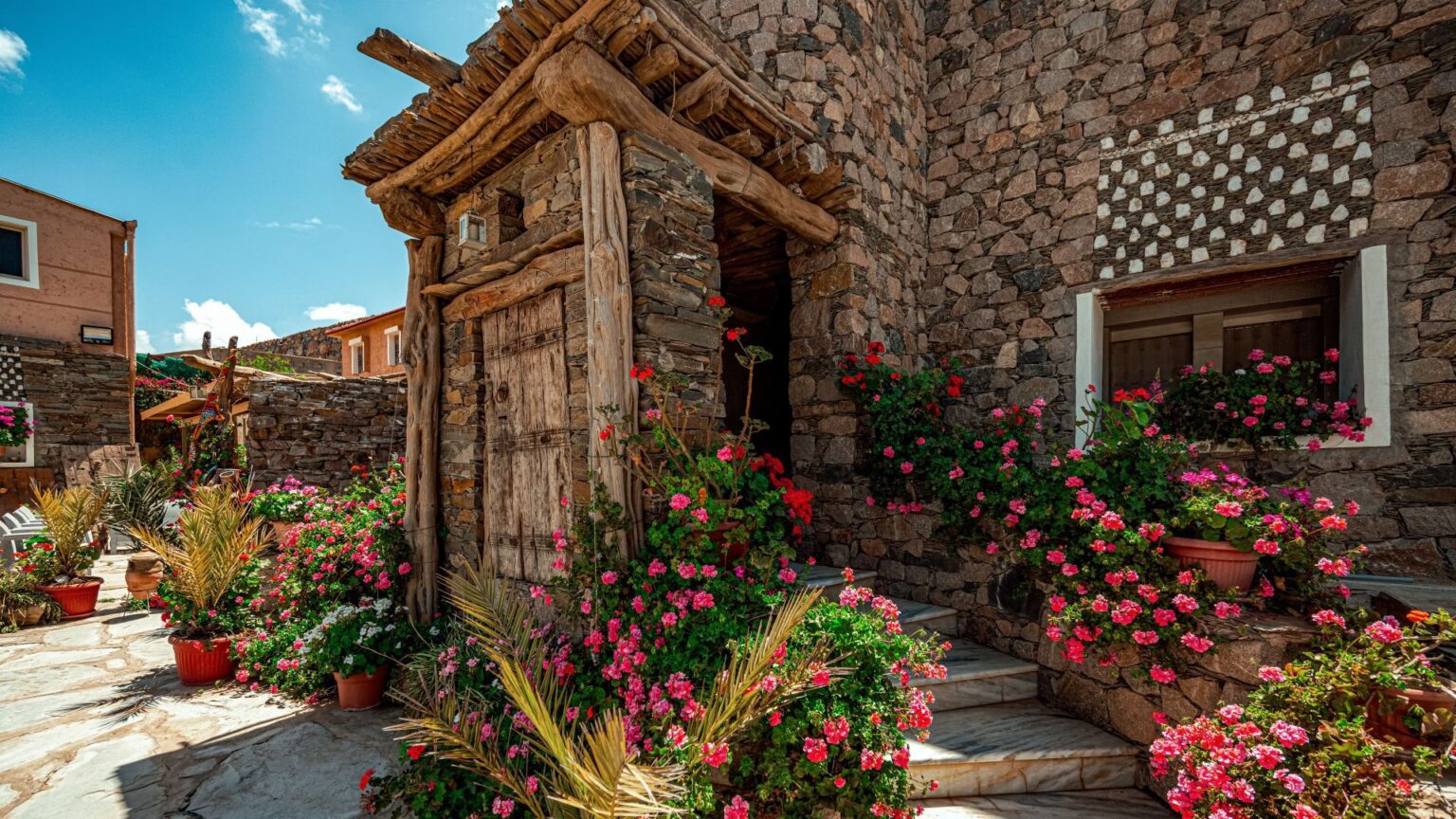
Asir National Museum stands as one of Saudi Arabia’s most important cultural landmarks, offering visitors a powerful journey into the history, traditions, and identity of the Asir region. Located in the scenic city of Abha, the museum is not just a place to view artifacts but a living gateway into the soul of southern Saudi Arabia. Surrounded by mountains, misty weather, and traditional architecture, the museum blends naturally into its environment, making the experience both educational and emotionally engaging.
The museum was established to preserve the cultural memory of the region while making it accessible to modern audiences. For locals, it represents pride and continuity. For international visitors, it opens a window into a lesser-known yet deeply rich part of the Kingdom.
Architectural Beauty Inspired by Asir Heritage
The first impression of Asir National Museum begins with its architecture. The building is inspired by traditional Asiri design, characterized by stone walls, geometric patterns, and earthy tones that reflect the surrounding landscape. Unlike modern glass museums, this structure feels rooted in the past, echoing the style of historic forts and villages found across the region.
The layout of the museum is thoughtfully designed to guide visitors through different historical periods. Open courtyards, arched entrances, and natural light create a warm and welcoming atmosphere. This architectural approach helps visitors feel connected not only to the exhibits but also to the cultural environment that shaped them.
A Journey Through Ancient Civilizations
One of the museum’s strongest features is its focus on the ancient civilizations that once thrived in the Asir region. The exhibits take visitors back thousands of years, showcasing how early communities lived, traded, and built their societies.
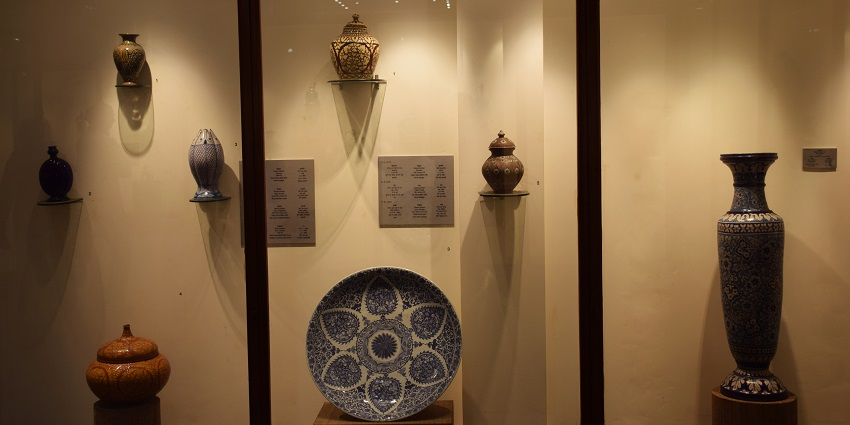
Stone tools, ancient inscriptions, pottery, and agricultural equipment reveal how people adapted to the mountainous terrain. These displays highlight the importance of Asir as a historical crossroads, connecting trade routes between the Arabian Peninsula, Africa, and the wider Middle East.
Each artifact tells a story of survival, creativity, and cultural exchange, making the past feel surprisingly alive.
The Story of Asir’s Traditional Lifestyle
Asir National Museum places strong emphasis on everyday life, not just royal or elite history. One of the most engaging sections focuses on traditional Asiri lifestyle, including housing, clothing, food, and social customs.
Visitors can explore life-size models of traditional homes, complete with interior furnishings. These spaces reflect how families lived, cooked, slept, and gathered together. Traditional clothing, with its vibrant colors and detailed embroidery, shows the artistic side of Asiri culture and the importance of identity through dress.
This section humanizes history, allowing visitors to imagine themselves living in another time.
The Role of Women in Asir Culture
A particularly meaningful part of the museum highlights the role of women in shaping Asir’s cultural identity. Women in this region have historically been responsible for preserving artistic traditions, especially in interior decoration, textiles, and storytelling.
The famous Asiri wall art, known for its colorful geometric patterns, is largely created by women. These designs are not only decorative but also symbolic, representing protection, fertility, and community values.
By showcasing women’s contributions, the museum presents a balanced and respectful narrative of cultural heritage.
Art, Calligraphy, and Creative Expression
Art plays a central role in the museum’s exhibitions. From traditional calligraphy to folk paintings and handcrafted objects, visitors can explore how creativity has always been part of daily life in Asir.
Calligraphy panels display religious and poetic texts, reflecting the spiritual and intellectual traditions of the region. Meanwhile, folk art pieces demonstrate how creativity was expressed through practical items like doors, furniture, and utensils.
This section reminds visitors that art is not separate from life, but deeply woven into it.
Islamic Heritage and Spiritual Identity
Islamic heritage is another major theme within Asir National Museum. The museum features manuscripts, religious tools, and architectural elements that highlight the spiritual foundation of the region.
Old Qur’an copies, prayer tools, and mosque designs show how faith influenced daily routines and community life. Rather than focusing only on religious rituals, the exhibits explore how spirituality shaped values such as hospitality, generosity, and social responsibility.
This creates a deeper understanding of how belief systems guided cultural development.
Military History and Regional Defense
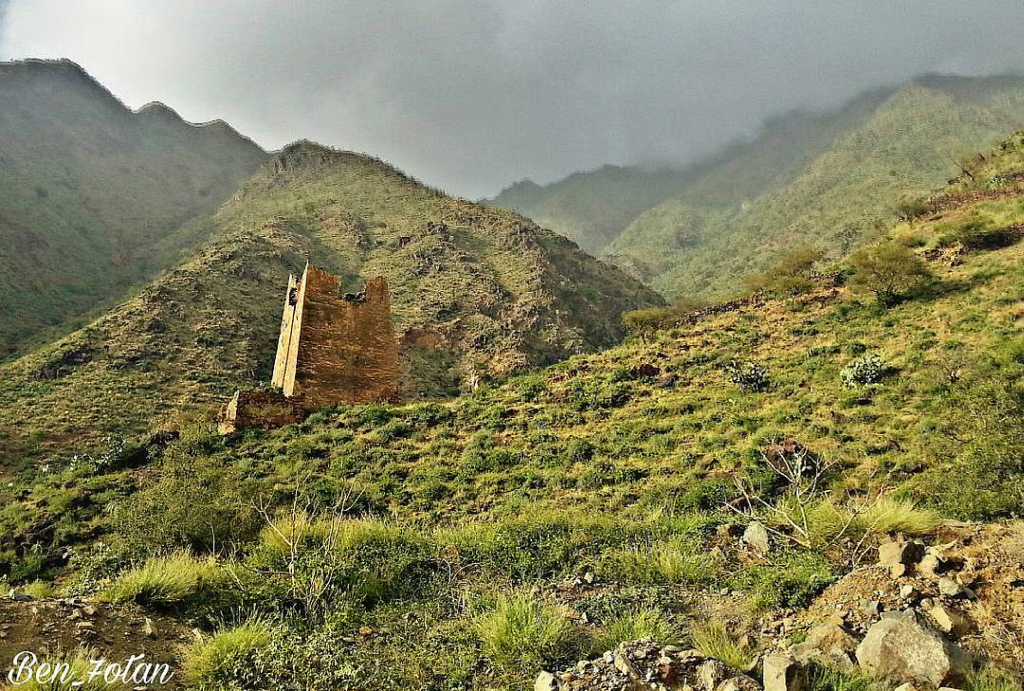
Asir’s strategic location made it historically important for regional defense. The museum includes exhibits on military history, showcasing traditional weapons, armor, and fortification designs.
Swords, daggers, shields, and rifles reflect both craftsmanship and survival needs. Models of old forts explain how communities protected themselves from external threats while maintaining internal stability.
This section adds a sense of realism, showing that culture and history were shaped not only by art and trade but also by conflict and protection.
Interactive Displays and Modern Technology
While rooted in tradition, Asir National Museum embraces modern technology to enhance visitor experience. Interactive screens, digital maps, and multimedia presentations help bring history to life.
Visitors can watch short documentaries, explore virtual reconstructions of ancient villages, and listen to recorded oral histories from local elders. These features make the museum appealing to younger generations and international tourists who prefer engaging, visual learning.
The balance between tradition and technology ensures the museum feels relevant, not outdated.
Educational Value for Students and Families
Asir National Museum plays an important educational role in Saudi society. Schools regularly organize visits, using the museum as a classroom beyond textbooks.
Children learn about identity, heritage, and respect for history in a hands-on way. Families benefit from guided tours and cultural workshops that explain traditions through storytelling and activities.
This educational focus helps ensure that cultural knowledge is passed down, not forgotten.
Tourism and Cultural Identity
For travelers, Asir National Museum is more than just a tourist attraction. It acts as a cultural bridge, helping visitors understand the deeper identity of southern Saudi Arabia.
The museum supports regional tourism by encouraging visitors to explore nearby villages, markets, and historical sites. This connection between the museum and the wider region strengthens local economies while promoting cultural pride.
Tourists leave not just with photos, but with genuine insight into Asir’s soul.
Preservation and National Vision
The museum aligns closely with Saudi Arabia’s broader vision to preserve heritage while embracing modernization. By protecting artifacts, recording oral histories, and educating the public, the museum plays a key role in cultural sustainability.
It also reflects a national shift toward valuing soft power, cultural diplomacy, and heritage tourism. Asir National Museum stands as proof that progress does not mean forgetting the past, but building on it.
Why Asir National Museum Truly Matters
What makes Asir National Museum truly special is its emotional impact. It does not feel like a cold, silent space. Instead, it feels alive with voices from the past, inviting visitors to listen, reflect, and connect.
The museum reminds people where they come from, what they have survived, and what they should protect for future generations. In a rapidly changing world, such spaces offer stability, meaning, and identity.
A Cultural Experience That Stays With You
Leaving Asir National Museum, visitors often carry more than knowledge. They carry a sense of respect for a culture that has preserved its beauty through centuries of change.
Whether you are a history lover, a student, a tourist, or a local resident, the museum offers something deeply personal. It shows that heritage is not about old objects in glass cases, but about stories, emotions, and shared human experience.
Asir National Museum is not just a place to visit. It is a place to feel, remember, and understand.
Do follow Gulf Magazine on Instagram.
Also Read – Abha Art Street Asir Sparks a Powerful Cultural Renaissance

