

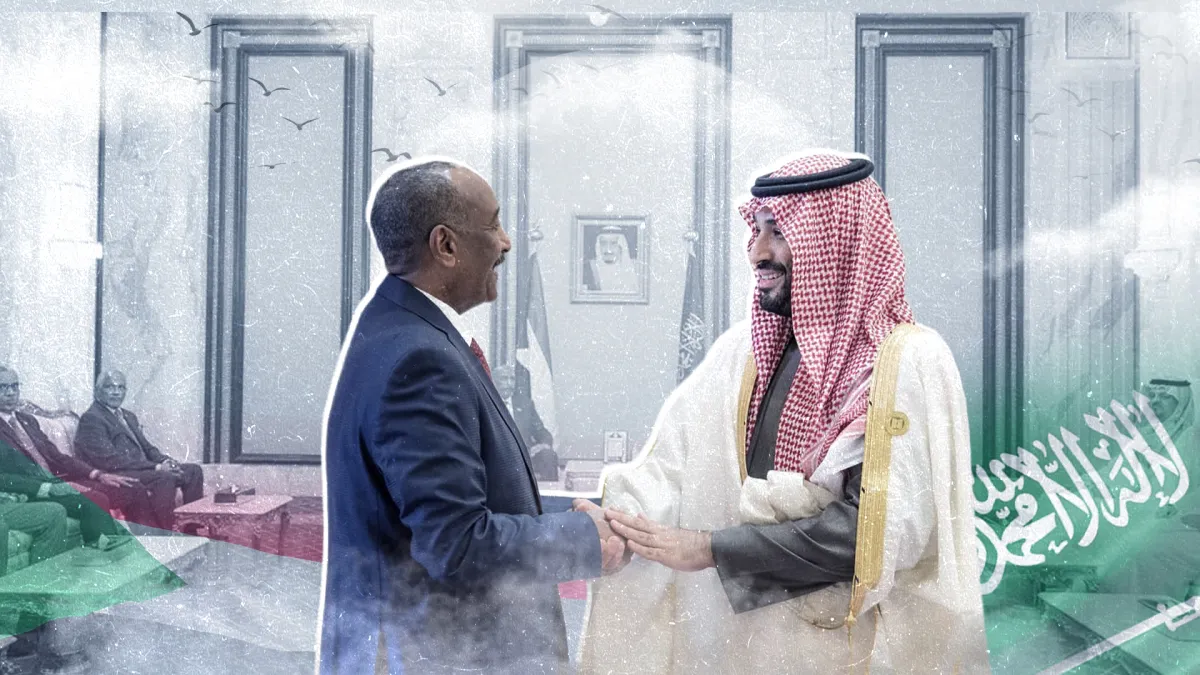
Saudi Arabia has firmly denounced what it described as “foreign interference” in Sudan following recent attacks by the Rapid Support Forces (RSF). The Kingdom’s statement comes at a time when Sudan continues to face deep instability, humanitarian suffering, and growing regional concern. Riyadh’s position reflects not only diplomatic caution but also a broader commitment to protecting sovereignty, supporting stability, and encouraging peaceful solutions in the region.
As the violence escalates, the human cost continues to rise. Families are being displaced, infrastructure is being damaged, and communities are struggling to survive amid uncertainty. Saudi Arabia’s response highlights the urgency of ending external involvement that could further inflame tensions and prolong the crisis.
A Firm Stand for Sovereignty
Saudi Arabia has consistently emphasized the importance of respecting national sovereignty and non-interference in internal affairs. In the context of Sudan, this principle takes on special importance. The Kingdom made it clear that any foreign involvement that fuels violence or deepens divisions only undermines efforts toward peace and stability.
Sudan has been facing intense internal conflict between rival factions, including the Sudanese Armed Forces and the RSF. The recent RSF attacks have heightened fears of prolonged instability. Saudi Arabia’s denunciation of foreign interference signals its belief that external actors should not exploit Sudan’s internal challenges for strategic or political gain.
For Riyadh, stability in Sudan is not just a political issue but a humanitarian one. Every day of conflict brings new suffering for civilians, especially women and children who are often the most vulnerable during crises. By speaking out, Saudi Arabia aims to reinforce the message that Sudan’s future should be determined by its own people without outside manipulation.
The Human Cost of Continued Violence
Families Caught in the Crossfire
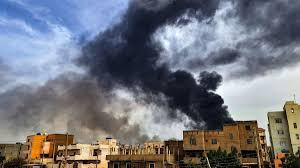
Behind diplomatic statements and political discussions are real people whose lives have been disrupted. In many parts of Sudan, families have been forced to flee their homes. Children have seen their schools close. Hospitals are struggling to operate amid shortages of supplies and staff.
The RSF attacks have intensified insecurity in several regions, creating fear and uncertainty. Many Sudanese citizens now face a daily struggle for safety, food, and medical care. The longer the violence continues, the more difficult it becomes to rebuild trust and restore normal life.
Saudi Arabia’s condemnation reflects an understanding that the conflict is not just about power or territory. It is about communities losing their sense of stability and hope. The Kingdom’s call to prevent foreign interference is rooted in the belief that added external pressures could worsen the humanitarian crisis.
Regional Stability at Risk
Sudan occupies a strategically significant position in the region. Instability within its borders can have ripple effects across neighboring countries. Refugee flows, disrupted trade routes, and security concerns can all escalate when conflict intensifies.
Saudi Arabia has long advocated for regional cooperation and collective security. The Kingdom views stability in Sudan as an essential component of broader Middle Eastern and African security. By urging all parties to avoid interference, Saudi Arabia is also working to prevent the conflict from becoming a larger regional crisis.
Saudi Arabia’s Diplomatic Role
Commitment to Dialogue
In recent years, Saudi Arabia has positioned itself as a mediator in regional conflicts. The Kingdom has hosted discussions and supported negotiations aimed at bringing rival factions to the table. Its approach toward Sudan aligns with this broader diplomatic strategy.
Rather than escalating rhetoric, Saudi Arabia has emphasized dialogue and peaceful resolution. By condemning foreign interference, Riyadh is reinforcing the idea that solutions must come through negotiation among Sudanese stakeholders.
Peace talks, ceasefire agreements, and humanitarian corridors require trust and cooperation. External actors who supply weapons, funding, or political backing to specific factions risk undermining these fragile processes. Saudi Arabia’s message is clear: stability will only come through inclusive dialogue, not through proxy involvement.
Humanitarian Support and Responsibility
Saudi Arabia has also played a role in providing humanitarian assistance to countries affected by conflict. In the case of Sudan, humanitarian support remains critical. Aid efforts aim to alleviate suffering by delivering food, medical supplies, and shelter to displaced families.
The Kingdom’s concern goes beyond political statements. It recognizes that the humanitarian crisis requires urgent attention. By advocating against foreign interference, Saudi Arabia is indirectly promoting an environment where aid can be delivered more effectively and safely.
When conflict intensifies due to external influence, humanitarian access becomes more complicated. Saudi Arabia’s position underscores the need for a stable environment that allows relief organizations to operate without obstruction.
The Broader Message to the International Community
Respect for International Norms
Saudi Arabia’s denunciation sends a broader message to the international community about the importance of respecting international norms. Non-interference and sovereignty are foundational principles of global diplomacy. When these principles are compromised, conflicts can spiral beyond control.
The Kingdom’s statement suggests that the path forward in Sudan must be guided by international cooperation aimed at de-escalation rather than competition for influence. Supporting peace efforts, facilitating dialogue, and prioritizing humanitarian relief are constructive roles that external actors can play.
In contrast, involvement that exacerbates tensions risks deepening divisions and prolonging instability. Saudi Arabia’s firm stance is a call for responsible engagement.
A Call for Unity and Peace
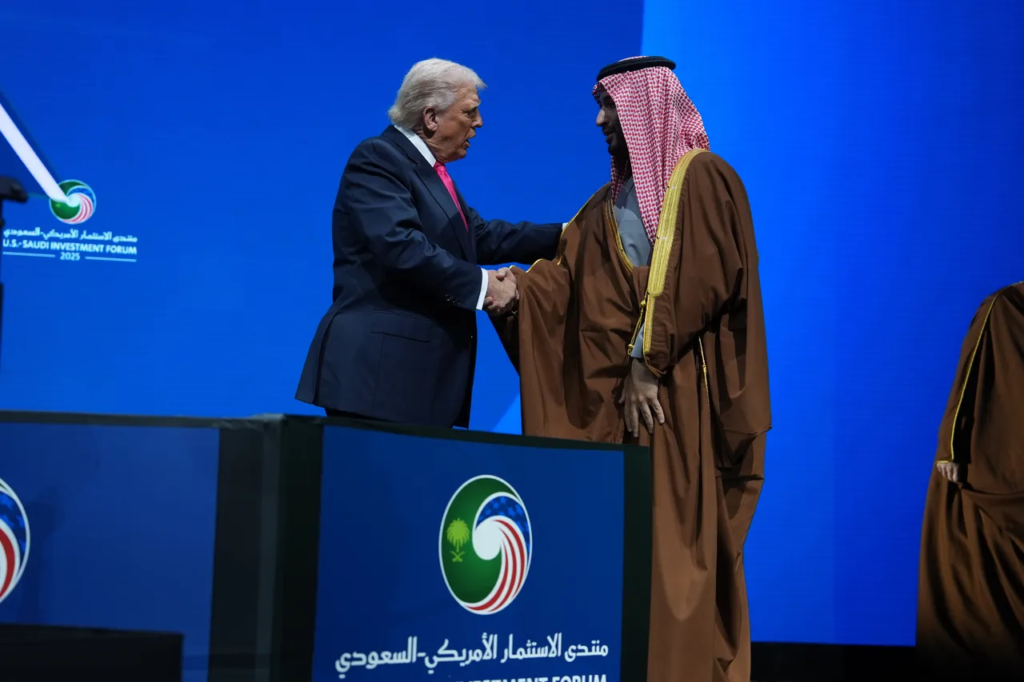
At its core, Saudi Arabia’s message is about unity. The Kingdom is urging all parties, both inside and outside Sudan, to prioritize peace over politics. Sudan’s people deserve stability, security, and the opportunity to rebuild their nation without external pressures shaping their destiny.
The path to peace will not be simple. Sudan faces complex political, military, and economic challenges. However, the rejection of foreign interference is a crucial first step in reducing external triggers that could intensify the conflict.
Looking Ahead: Hope Amid Uncertainty
Despite the grim situation, there remains hope. Sudan has a resilient population and a history of civic engagement. Civil society groups, community leaders, and humanitarian workers continue to push for dialogue and reconciliation.
Saudi Arabia’s statement reinforces the idea that regional powers can contribute positively by advocating for peace and respecting sovereignty. By standing against foreign interference, Riyadh is positioning itself as a supporter of a Sudanese-led solution.
The coming months will be critical. Diplomatic efforts must continue. Ceasefires must be respected. Humanitarian aid must reach those in need. And above all, the voices of ordinary Sudanese citizens must be heard.
Saudi Arabia’s denunciation of foreign interference is more than a political reaction to the RSF attacks. It is a call for responsibility, restraint, and compassion. In a time when violence threatens to overshadow diplomacy, such statements can serve as reminders that peace remains possible.
The crisis in Sudan is far from over, but international cooperation grounded in respect and constructive engagement can help pave the way forward. By advocating for sovereignty and stability, Saudi Arabia is contributing to a broader conversation about how the region can move toward lasting peace and shared security.
Do Follow Gulf Magazine on Instagram
Read More:- Saudi Arabia Supercharges Haramain Railway With 20 Powerful New Trains

