

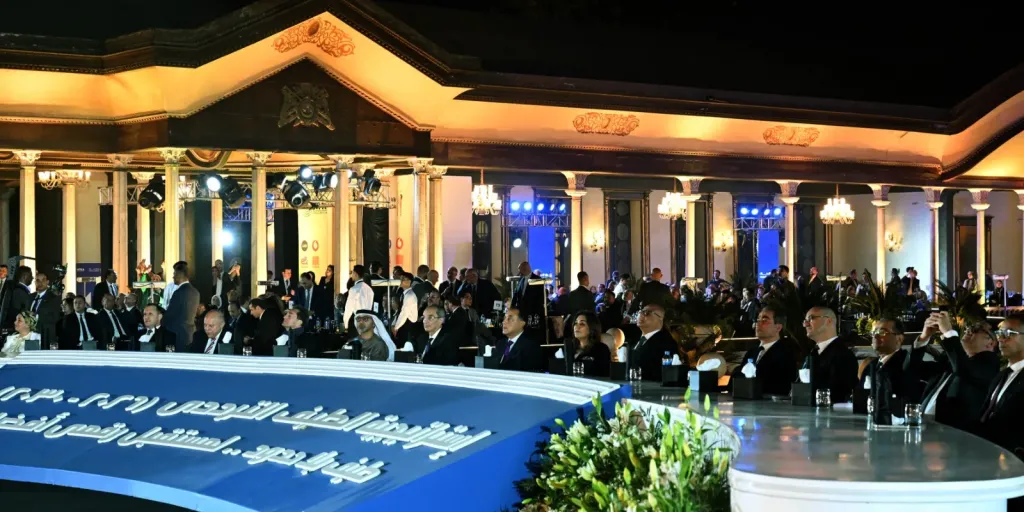
Egypt has taken a decisive step toward transforming its digital future by launching its ambitious 2026–2030 telecom spectrum strategy, anchored by a powerful $3.5 billion frequency deal. This landmark move signals not just a technical upgrade in telecommunications infrastructure, but a bold national commitment to innovation, economic growth, and improved quality of life for millions of citizens.
The strategy aims to modernize Egypt’s digital backbone, expand connectivity across urban and rural areas, and ensure that the country remains competitive in a rapidly evolving global digital economy. For everyday Egyptians, this means faster internet speeds, stronger network reliability, and greater access to digital services that are becoming essential in work, education, healthcare, and daily communication.
A Vision for a Connected Egypt
Egypt’s 2026–2030 telecom spectrum strategy is more than a policy document. It represents a forward-looking roadmap designed to align the country’s telecom infrastructure with global technological advancements. By securing $3.5 billion through frequency allocations, the government is unlocking new opportunities for telecom operators to expand and enhance their services.
Spectrum, often described as the invisible highway of wireless communication, is critical for mobile networks. Without sufficient spectrum, network congestion increases, speeds decline, and service quality suffers. By restructuring and reallocating valuable frequency bands, Egypt is ensuring that its telecom operators have the resources they need to meet growing data demand.
This strategy also supports the country’s broader digital transformation agenda. As Egypt invests in smart cities, digital government platforms, fintech expansion, and artificial intelligence initiatives, robust telecom infrastructure becomes the foundation upon which all other innovation rests.
The $3.5 Billion Frequency Deal: What It Means
Strengthening Mobile Networks
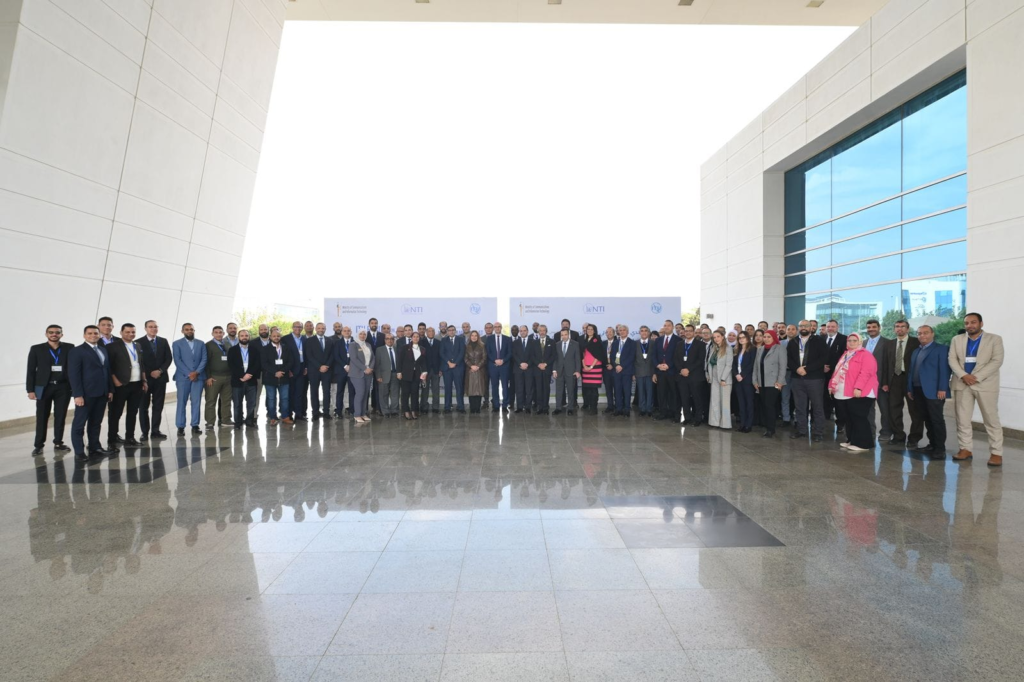
The $3.5 billion frequency deal is expected to significantly boost network capacity across the country. Telecom operators will gain access to additional spectrum bands that enable faster data transmission and improved coverage. This will enhance both 4G performance and accelerate the rollout of 5G services.
For consumers, this translates into smoother video calls, faster downloads, uninterrupted streaming, and better online gaming experiences. For businesses, it means more reliable connectivity to power cloud services, digital payments, remote work platforms, and smart technologies.
Accelerating 5G Expansion
One of the most exciting elements of the strategy is the acceleration of 5G deployment. 5G technology promises ultra-fast speeds, low latency, and the ability to connect millions of devices simultaneously. This is crucial for industries such as manufacturing, logistics, healthcare, and agriculture.
With expanded spectrum availability, Egypt is positioning itself to harness the full potential of 5G. Smart factories, connected vehicles, telemedicine services, and advanced IoT applications can thrive when supported by high-capacity networks. The strategy ensures that Egypt does not lag behind in the global race toward next-generation connectivity.
Driving Investment and Economic Growth
The $3.5 billion deal also reflects strong investor confidence in Egypt’s telecom sector. By creating a transparent and structured spectrum allocation framework, the government is encouraging private-sector participation and long-term capital investment.
Telecommunications is a key driver of economic activity. A strong digital infrastructure attracts foreign investment, supports startups, enables e-commerce, and fuels innovation ecosystems. As connectivity improves, small businesses in rural towns gain access to wider markets, entrepreneurs can launch digital ventures, and multinational companies can operate more efficiently.
Bridging the Urban-Rural Digital Divide
While major cities like Cairo and Alexandria already benefit from relatively strong connectivity, rural and underserved areas often face slower speeds and limited network reliability. The 2026–2030 telecom spectrum strategy places significant emphasis on inclusive growth.
Expanding Coverage Nationwide
With additional frequency resources, telecom operators will be better equipped to expand coverage into remote regions. This ensures that communities outside major metropolitan areas can access online education platforms, digital banking services, and telehealth solutions.
Bridging the digital divide is not only a technological goal but a social one. When rural students have access to reliable internet, they can participate in virtual classrooms and access global learning resources. When farmers can use digital tools, they can monitor crops, track weather patterns, and improve productivity.
Empowering Youth and Entrepreneurs
Egypt has a young and dynamic population. By improving connectivity nationwide, the strategy empowers youth to develop digital skills, create startups, and participate in the global digital economy.
Freelancers, content creators, app developers, and tech innovators rely heavily on strong internet connections. The new spectrum allocations provide the backbone needed to support this growing digital workforce. As a result, the telecom strategy directly contributes to job creation and skills development.
Supporting Smart Cities and Digital Government
Egypt’s ambitious urban development projects, including new administrative and smart cities, require advanced telecom infrastructure. High-speed, low-latency networks are essential for smart traffic systems, energy management, public safety solutions, and digital public services.
Enhancing Public Services
Digital government platforms rely on stable and secure networks. Citizens increasingly use online portals to pay bills, renew licenses, access healthcare services, and complete official paperwork. Improved spectrum management ensures that these services remain fast, reliable, and accessible.
This shift toward digital governance enhances efficiency and transparency. It reduces paperwork, minimizes wait times, and makes public services more convenient for citizens across the country.
Building a Resilient Digital Infrastructure
In an era where cyber resilience and data security are paramount, modern telecom infrastructure plays a critical role. Expanded and well-managed spectrum enables operators to deploy advanced technologies that improve network stability and resilience.
A resilient telecom system is essential during emergencies. Whether responding to natural disasters, public health crises, or national security challenges, reliable communication networks are vital. Egypt’s strategy strengthens its ability to maintain connectivity under all circumstances.
Environmental and Technological Sustainability
As Egypt expands its telecom capabilities, sustainability remains an important consideration. Modern spectrum planning can improve energy efficiency by enabling operators to deploy newer, more efficient technologies.
Greener Networks
Advanced 5G infrastructure is designed to be more energy-efficient per unit of data transmitted compared to older technologies. By upgrading networks and optimizing spectrum usage, operators can reduce overall energy consumption while delivering higher performance.
This aligns with Egypt’s broader sustainability goals and its commitment to balancing economic growth with environmental responsibility.
Future-Proofing the Digital Economy
Technology evolves rapidly. The 2026–2030 strategy is structured to remain flexible, allowing adjustments as new innovations emerge. By securing sufficient spectrum now, Egypt ensures that its telecom ecosystem can adapt to future technological breakthroughs.
From artificial intelligence integration to autonomous systems and immersive digital experiences, tomorrow’s technologies will demand even greater bandwidth and lower latency. Egypt’s forward-thinking approach prepares the nation for these demands.
A Human Impact Beyond Technology
Behind every policy and billion-dollar deal are real people whose lives are shaped by connectivity. Students accessing remote classes, families staying connected through video calls, doctors conducting teleconsultations, and entrepreneurs running online businesses all depend on reliable telecom services.
The $3.5 billion spectrum deal represents more than financial investment; it symbolizes confidence in Egypt’s future. It reflects a belief that digital empowerment can unlock opportunity, reduce inequality, and strengthen national resilience.
For telecom workers, engineers, and IT professionals, the strategy creates new career pathways. For businesses, it provides the infrastructure needed to scale and compete. For citizens, it promises smoother, faster, and more inclusive digital experiences.
Looking Ahead to 2030
As Egypt moves toward 2030, the telecom spectrum strategy will play a central role in shaping the country’s digital landscape. The combination of strategic planning, significant financial commitment, and a focus on inclusivity positions Egypt as a regional leader in telecommunications reform.
The coming years will likely witness rapid 5G expansion, enhanced rural connectivity, stronger digital services, and increased private-sector investment. Each milestone achieved under this strategy will contribute to a more connected, competitive, and confident Egypt.
The $3.5 billion frequency deal is not just a transaction. It is a declaration of ambition. It signals that Egypt is ready to embrace the future, strengthen its digital foundations, and create opportunities for generations to come.
Do Follow Gulf Magazine on Instagram
Read More:- Saudi Green Ammonia Deal Sparks Powerful Clean Energy Shift 2026

