

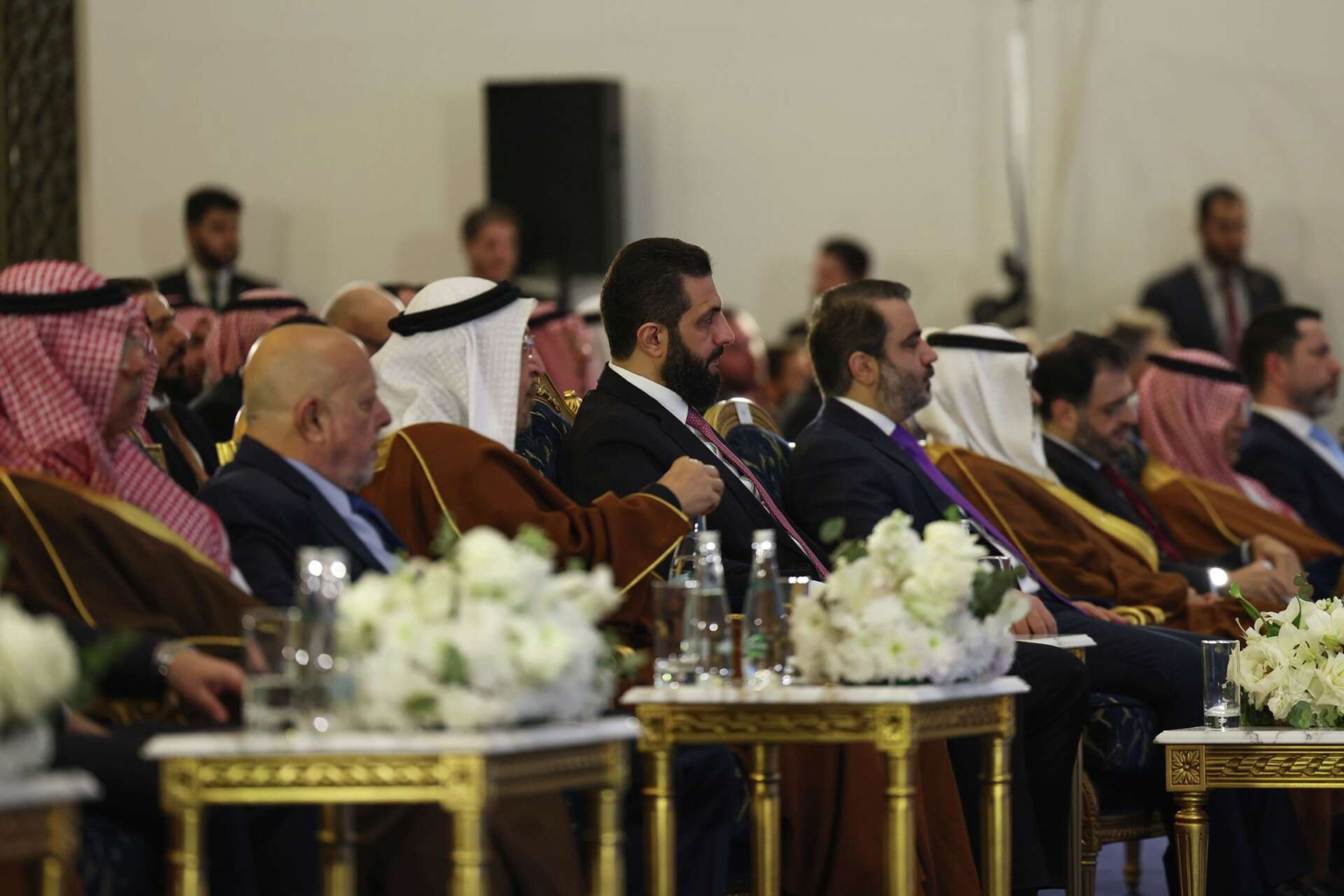
Saudi Arabia has taken a decisive and strategic step in the Middle East by sealing a multibillion-dollar agreement with Syria, marking a significant shift in regional dynamics. The landmark deal is more than a financial transaction. It represents renewed dialogue, cautious optimism, and a broader vision for stability and cooperation in a region long marked by uncertainty.
For years, Syria has faced immense economic and infrastructural challenges. Saudi Arabia’s major investment signals confidence in the possibility of recovery and rebuilding. The agreement reflects a new phase in diplomatic engagement, where economic cooperation becomes a bridge toward stronger political and social ties.
The deal is being viewed by regional observers as part of a larger recalibration of alliances. It highlights Saudi Arabia’s evolving foreign policy approach, focused on economic diplomacy, regional stability, and long-term partnerships.
A Strategic Shift in Regional Relations
The multibillion-dollar agreement underscores a gradual but noticeable warming of relations between Riyadh and Damascus. Diplomatic engagement between the two nations has been evolving in recent years, and this deal marks one of the most concrete steps toward deeper collaboration.
Saudi Arabia’s regional strategy increasingly emphasizes constructive engagement over isolation. By investing directly in Syria’s economic revival, the Kingdom signals that cooperation can be a powerful tool for stability. The deal reflects confidence that economic growth can pave the way for political normalization and long-term peace.
This shift also aligns with broader regional trends, where several Middle Eastern nations are seeking dialogue, rebuilding diplomatic channels, and focusing on economic partnerships. In that context, Saudi Arabia’s move stands out as both bold and carefully calculated.
Economic Impact and Reconstruction Efforts
Reviving Infrastructure and Industry
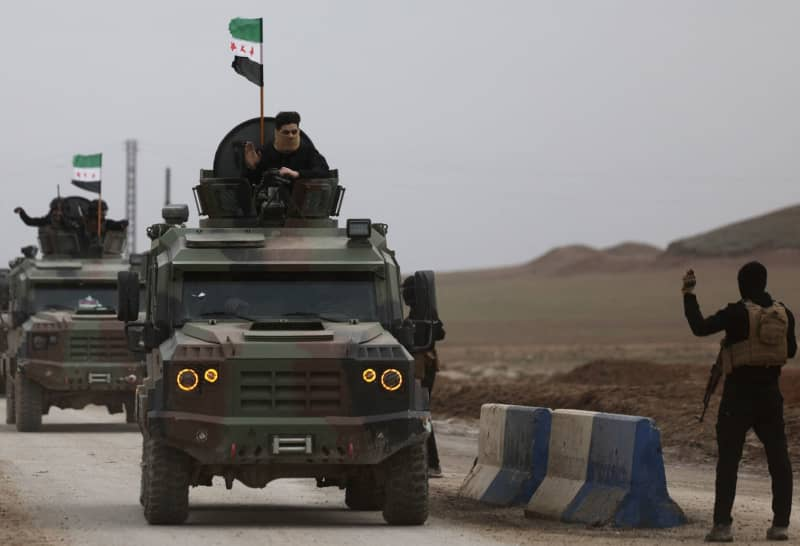
Syria’s infrastructure has faced years of strain, and rebuilding requires substantial capital and expertise. The Saudi-backed agreement is expected to support key sectors such as energy, construction, transport, and possibly telecommunications. These industries form the backbone of any nation’s economic revival.
Investment in infrastructure not only creates jobs but also restores essential services. Roads, power networks, housing projects, and industrial zones are crucial for enabling businesses to function and communities to rebuild. For ordinary Syrians, such projects could mean improved daily life, employment opportunities, and renewed hope.
Saudi Arabia’s involvement brings not only financial resources but also technical expertise and experience in managing large-scale development projects. This combination can accelerate reconstruction while ensuring that projects meet modern standards.
Boosting Trade and Economic Integration
Beyond reconstruction, the agreement opens doors to expanded trade relations. Economic cooperation can strengthen supply chains, facilitate cross-border commerce, and integrate Syria more deeply into regional markets.
For Saudi Arabia, stronger economic ties with Syria create new avenues for investment and market expansion. For Syria, it provides a gateway to Gulf markets and potentially broader economic partnerships.
Such integration benefits not only governments but also entrepreneurs, small businesses, and workers who depend on stable economic conditions to thrive.
Human Stories Behind the Headlines
While headlines focus on billions of dollars and diplomatic milestones, the real impact of such agreements is felt by people on the ground. For Syrian families, renewed investment may translate into jobs, housing, and reliable services. For young professionals, it could mean opportunities that previously seemed out of reach.
Saudi businesses entering the Syrian market will also engage with local communities. Partnerships, joint ventures, and workforce training programs can create long-term human connections that go beyond contracts and agreements.
Humanizing this development reminds us that economic diplomacy is not merely about numbers. It is about rebuilding trust, restoring livelihoods, and creating conditions where families can plan for the future with greater confidence.
Saudi Arabia’s Vision for Regional Stability
Saudi Arabia has increasingly positioned itself as a key player in reshaping Middle Eastern diplomacy. The multibillion-dollar deal with Syria reflects a broader vision centered on stability, economic growth, and regional cooperation.
The Kingdom’s foreign policy in recent years has emphasized diversification, strategic dialogue, and reducing tensions. Economic partnerships are central to this approach. By fostering economic interdependence, nations can build resilience and reduce the risk of prolonged conflict.
The deal with Syria fits within this framework. It demonstrates that Riyadh sees long-term stability as interconnected with economic development. When economies grow and opportunities expand, the foundations for peace become stronger.
Challenges and Careful Optimism
Despite the optimism surrounding the agreement, challenges remain. Rebuilding a nation’s economy after years of hardship is complex. It requires careful coordination, transparency, and sustained commitment from all parties involved.
Investments must be strategically managed to ensure tangible results. Infrastructure projects take time, and their success depends on political stability, regulatory clarity, and community engagement.
However, the willingness to move forward despite these challenges signals confidence in dialogue and cooperation. Saudi Arabia’s decision to commit significant resources reflects a belief that constructive engagement can yield meaningful progress.
Broader Regional Implications
The Saudi–Syria agreement may influence other regional relationships. Economic engagement can encourage neighboring countries to reconsider their own approaches and explore collaborative opportunities.
In the broader Middle East, economic diplomacy is becoming a central pillar of international relations. Trade, investment, and development initiatives increasingly shape political alliances. The multibillion-dollar deal reflects this shift from confrontation toward cooperation.
It may also pave the way for future joint initiatives involving infrastructure corridors, energy networks, or regional trade hubs. Such projects could enhance connectivity across the Middle East, benefiting multiple nations simultaneously.
A New Chapter in Saudi–Syria Relations
Rebuilding Trust Through Cooperation
Trust between nations is built gradually. Economic agreements can serve as practical foundations for rebuilding diplomatic confidence. By working together on tangible projects, governments create opportunities for dialogue and mutual understanding.
The Saudi–Syria deal represents a step in that direction. It transforms diplomatic conversations into actionable commitments. Over time, successful collaboration can strengthen political ties and encourage further cooperation.
Long-Term Vision Over Short-Term Gains
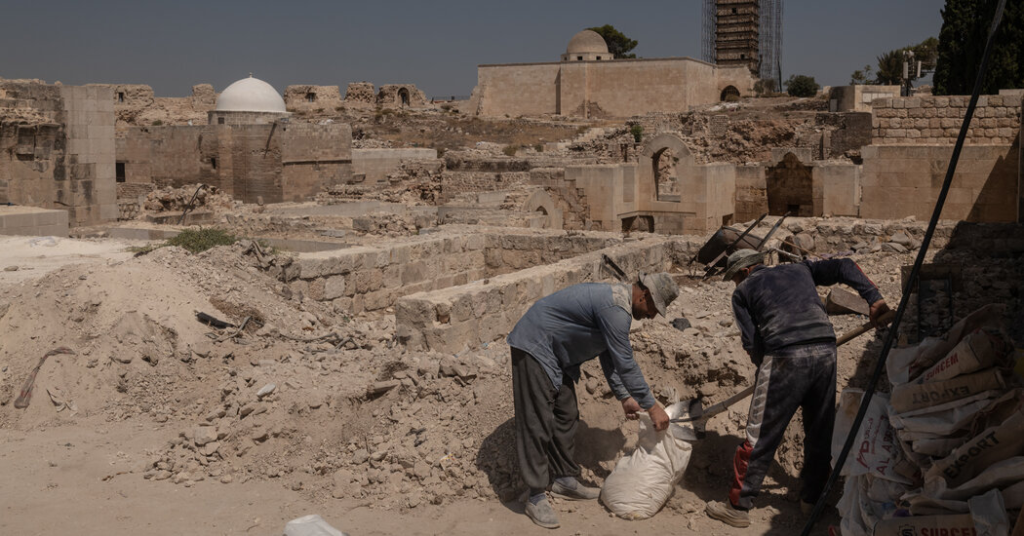
The scale of the agreement suggests that both sides are thinking beyond immediate outcomes. Large infrastructure and development projects often take years to deliver full benefits. This long-term perspective indicates seriousness and strategic intent.
For Saudi Arabia, investing in regional stability aligns with its broader economic transformation goals. For Syria, attracting substantial foreign investment is essential for rebuilding and reintegration into regional frameworks.
Conclusion: Hope Anchored in Economic Diplomacy
Saudi Arabia’s multibillion-dollar deal in Syria is more than a financial milestone. It is a powerful signal of changing dynamics, renewed dialogue, and cautious optimism. It reflects a belief that economic cooperation can open doors that politics alone sometimes cannot.
For the people of Syria, the agreement offers hope of reconstruction and opportunity. For Saudi Arabia, it reinforces its role as a proactive regional leader committed to stability and growth. For the broader Middle East, it signals a shift toward pragmatic engagement and shared economic progress.
As projects begin to take shape and partnerships deepen, the true impact of this landmark agreement will unfold. What remains clear is that this deal marks the beginning of a new chapter one where investment becomes a tool for rebuilding trust, restoring livelihoods, and shaping a more connected and resilient region.
Do Follow Gulf Magazine on Instagram
Read More:- Saudi Arabia Hosts Landmark Economic Policy Summit in AlUla 2026

