

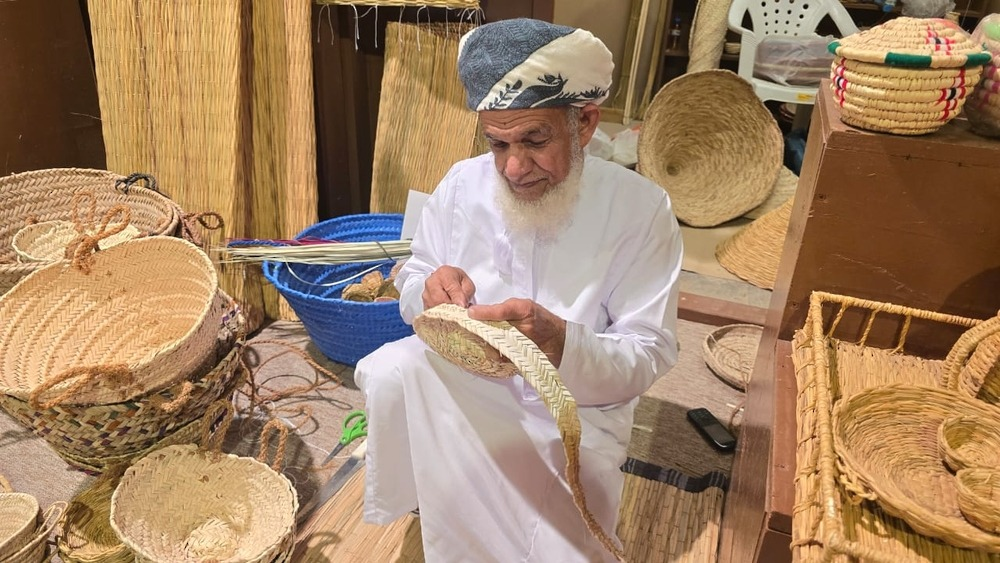
Oman is taking a confident step toward strengthening its traditional industries as it prepares to award the consultancy contract for its much-anticipated Craftsmen Market project in the first quarter. The move signals more than just another development milestone. It reflects a deeper national commitment to preserving heritage, empowering local artisans, and building sustainable economic opportunities rooted in culture.
For many craftsmen across the Sultanate, this project represents hope, visibility, and long-term growth. From pottery makers in rural villages to textile artists keeping centuries-old weaving techniques alive, the proposed Craftsmen Market aims to create a central platform where skills meet opportunity.
A Vision to Celebrate Omani Heritage
Oman has always been known for its rich artistic traditions. Silver jewelry, khanjars, woven textiles, pottery, and woodwork are not merely products; they are stories passed down through generations. However, in an increasingly modern retail environment, many traditional artisans struggle to compete with mass-produced goods.
The Craftsmen Market project is designed to bridge that gap. By creating a dedicated space for artisans to display and sell their work, the initiative seeks to celebrate authenticity while ensuring economic sustainability.
Creating a Dedicated Space for Local Talent

The planned market is expected to provide purpose-built stalls, exhibition areas, and modern facilities that allow craftsmen to showcase their products professionally. Beyond simple retail spaces, the concept may include interactive workshops where visitors can see artisans at work, understand their craft, and appreciate the time and skill involved.
This kind of immersive experience is likely to attract both residents and tourists. For artisans, it means more than sales; it means recognition and respect for their expertise.
Consultancy Contract: A Crucial First Step
Awarding the consultancy contract in Q1 is a critical stage in turning the vision into reality. Consultants will be responsible for detailed planning, design frameworks, feasibility studies, and possibly sustainability assessments. Their work will shape the market’s layout, functionality, and long-term viability.
A well-planned consultancy phase ensures that the project aligns with Oman’s broader development goals. It also guarantees that the needs of artisans are properly considered, rather than being an afterthought.
Strategic Planning for Long-Term Success
Consultants are likely to focus on several key areas:
- Market demand analysis
- Infrastructure planning
- Integration of modern facilities with traditional architecture
- Financial sustainability models
- Accessibility and logistics
By addressing these aspects early, the project can avoid delays and create a market that truly serves its community.
Empowering Omani Artisans
At the heart of this initiative are the craftsmen themselves. Many of them operate from small workshops or even their homes. While their craftsmanship is exceptional, limited exposure often restricts their growth.
The new market is expected to offer:
- Greater visibility for handmade products
- Direct interaction with customers
- Stable selling spaces
- Opportunities for collaboration among artisans
For young Omanis considering entering traditional crafts, such a platform could make the profession more appealing and financially viable.
Supporting the Next Generation
One of the biggest challenges facing traditional crafts worldwide is the decline in younger participation. When young people see limited income prospects, they often move toward other careers.
By creating a structured marketplace backed by government planning and professional consultancy, Oman sends a strong message that traditional skills are valuable. If designed thoughtfully, the Craftsmen Market could include training centers, mentorship programs, and business development workshops to nurture new talent.
Boosting Tourism and Local Economy
Oman’s tourism sector continues to grow steadily, with visitors drawn to its natural landscapes and cultural depth. A dedicated Craftsmen Market can become a major attraction, offering tourists an authentic shopping experience that goes beyond typical souvenir stores.
Instead of imported goods, visitors would find handmade items crafted locally, each carrying a piece of Omani identity. This not only increases tourist spending but also ensures that money flows directly into local communities.
A Sustainable Economic Model
Unlike large commercial malls that rely heavily on global brands, a Craftsmen Market centers on local production. This reduces dependency on imports and strengthens domestic supply chains.
Moreover, such markets often encourage small-scale entrepreneurship. Artisans can expand their product lines, experiment with new designs, and collaborate with others to create innovative offerings while maintaining traditional roots.
Balancing Tradition and Modern Design
A key challenge for consultants will be balancing authenticity with modern convenience. The market must reflect Omani architectural heritage while meeting contemporary standards for safety, accessibility, and comfort.
Shaded walkways, natural ventilation, and traditional design elements could be integrated with modern infrastructure like digital payment systems and online marketing platforms.
Digital Integration for Wider Reach
Today’s consumers expect convenience. Including digital tools such as e-commerce integration or virtual catalogs could allow artisans to reach customers beyond the physical market.
This blend of tradition and technology can make the Craftsmen Market a model for cultural preservation in a digital age.
Community Impact Beyond Commerce
The significance of the Craftsmen Market extends beyond financial returns. It has the potential to become a community hub where culture is experienced, shared, and celebrated.
Workshops, cultural festivals, and live demonstrations could transform the space into a vibrant social center. Schools may organize visits to help students learn about their heritage firsthand.
For artisans who have spent years perfecting their craft in relative isolation, such interaction can be deeply rewarding. It validates their work and connects them with a wider audience.
Aligning with National Development Goals
Oman’s broader development strategies emphasize diversification, cultural preservation, and support for small and medium enterprises. The Craftsmen Market aligns naturally with these priorities.
By investing in consultancy and structured planning, the government demonstrates a forward-thinking approach. Rather than rushing into construction, it is laying a foundation that prioritizes sustainability and impact.
This careful planning phase also increases investor confidence. When projects are backed by professional consultancy and clear strategies, they are more likely to attract partnerships and long-term support.
Looking Ahead to Q1 Decision
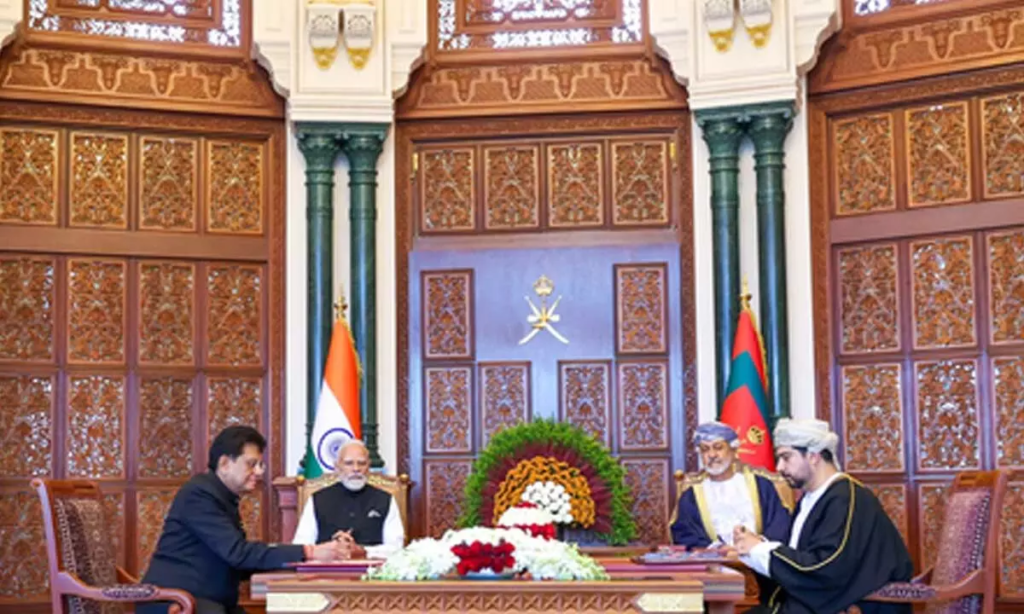
As Q1 approaches, anticipation builds among stakeholders. The award of the consultancy contract will signal that the project is moving from concept to structured development.
For many artisans, this announcement represents more than bureaucratic progress. It symbolizes recognition of their craft as an integral part of the nation’s identity and economy.
Once consultants are appointed, detailed designs and timelines will likely follow, bringing the market closer to reality.
A Market with Meaning
The Craftsmen Market is not simply about creating a shopping destination. It is about honoring heritage, empowering communities, and shaping a sustainable future rooted in tradition.
By likely awarding the consultancy contract in Q1, Oman reinforces its dedication to cultural preservation and economic innovation. The project promises to bring together old skills and new opportunities, ensuring that the hands that craft Oman’s heritage continue to thrive in a modern world.
If executed thoughtfully, this initiative could stand as a shining example of how nations can protect their cultural legacy while driving economic growth. For Oman’s artisans, the future looks not only hopeful but proudly handcrafted.
Do Follow Gulf Magazine on Instagram
Read More:– Powerful Infrastructure Push to Elevate North Al Sharqiyah Connectivity 2026

