

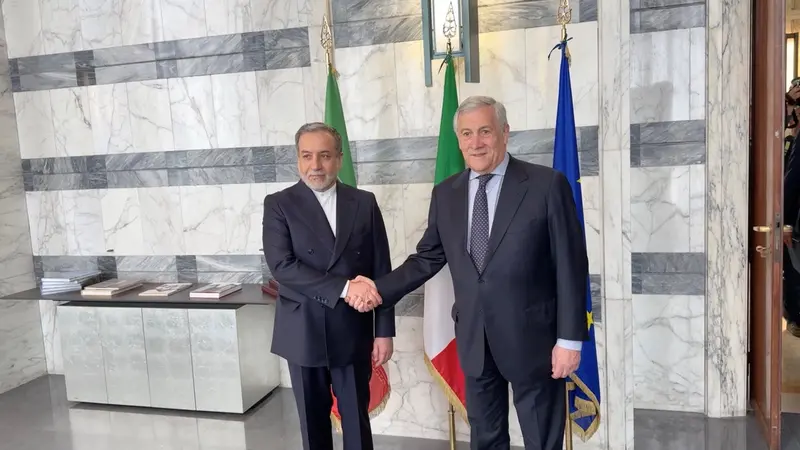
The United States and Iran are preparing to engage in high-stakes nuclear talks in Oman, signaling a potentially transformative moment in international diplomacy. After years of tension and stalled negotiations, both nations appear poised to discuss the future of Iran’s nuclear program in a bid to reduce regional instability and foster global security.
This meeting is not just a routine diplomatic engagement; it represents a rare opportunity for dialogue between two nations long divided by decades of political, economic, and ideological differences. Observers worldwide are watching closely, understanding that the outcome could reshape the dynamics of the Middle East and influence global energy markets.
The Context Behind the Talks
The path to these discussions has been complex and often fraught with setbacks. Previous attempts to reach a lasting agreement on Iran’s nuclear ambitions have repeatedly stalled due to mistrust, sanctions, and geopolitical tensions. For years, international powers have sought to prevent Iran from developing nuclear weapons while ensuring that Iran’s rights to peaceful nuclear energy are respected.
Both the US and Iran have faced internal pressures. In the United States, policymakers are balancing national security concerns with the need for international cooperation. Iran, on the other hand, seeks relief from crippling economic sanctions and desires recognition as a sovereign power capable of pursuing peaceful nuclear technology. These negotiations offer a chance to address these pressing issues directly, potentially paving the way for constructive compromises.
Why Oman Was Chosen
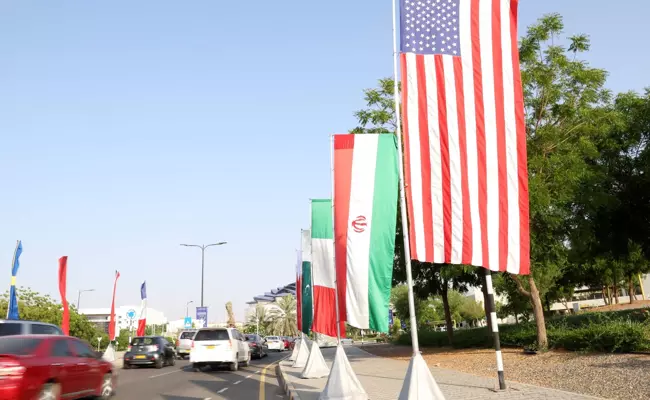
Oman has long been recognized as a neutral venue for sensitive diplomatic negotiations. Its strategic location and reputation as a mediator make it an ideal setting for these high-stakes discussions. By hosting talks in Oman, both the US and Iran signal a willingness to engage in a controlled and secure environment where dialogue can take precedence over confrontation.
The choice of Oman also reflects a broader regional strategy. Gulf nations have historically been concerned about nuclear proliferation and regional security, making Oman’s role as a facilitator critical in fostering trust between the negotiating parties. Its involvement underscores the importance of neutral ground in achieving meaningful progress in global diplomacy.
Potential Topics on the Table
While the full agenda remains confidential, several key topics are expected to dominate the discussions. Central among them is the future of Iran’s nuclear enrichment program. The US is likely to press for limits on uranium enrichment and robust verification mechanisms to prevent nuclear weapons development. Iran, meanwhile, may advocate for the easing of sanctions and recognition of its right to pursue civilian nuclear energy.
Other critical issues may include regional security arrangements, economic cooperation, and the establishment of communication channels to prevent misunderstandings that could escalate tensions. The talks also present a rare opportunity for both nations to explore pathways for building trust and reducing the risk of future conflict.
The Global Implications
The outcome of these talks could reverberate far beyond the Middle East. A successful agreement may stabilize international energy markets, foster regional cooperation, and enhance global nonproliferation efforts. Conversely, failed negotiations could exacerbate tensions, leading to renewed sanctions, economic uncertainty, and heightened geopolitical instability.
Diplomats and analysts around the world are watching closely, recognizing that these discussions may set the tone for future US-Iran relations and broader international engagement in the region. The stakes are high, and the implications of every decision are significant.
Signs of Optimism
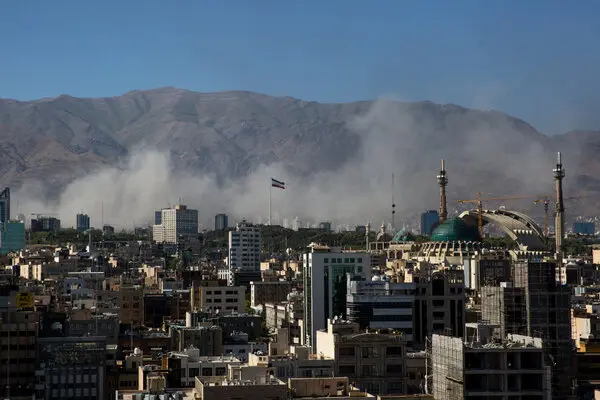
Despite the challenges, there are reasons for cautious optimism. Both nations have indicated a willingness to return to dialogue, and Oman’s involvement provides a neutral framework conducive to meaningful discussion. Previous engagements, while often stalled, demonstrated that progress is possible when both parties prioritize diplomacy over confrontation.
The human element of diplomacy also plays a crucial role. Negotiators bring decades of experience, understanding the delicate balance between national interests and global responsibilities. Personal relationships, trust-building, and patient dialogue could make the difference between stagnation and a breakthrough agreement.
The Road Ahead
The upcoming talks in Oman are only the beginning of what may be a long and intricate negotiation process. Any progress achieved will likely require follow-up meetings, detailed technical discussions, and sustained diplomatic engagement. Both nations must navigate domestic pressures, regional considerations, and international expectations while striving to reach a constructive outcome.
For the global community, this moment represents more than just a negotiation. It embodies hope that dialogue, patience, and diplomacy can overcome years of tension. If successful, these talks could serve as a blueprint for resolving conflicts through conversation rather than conflict, demonstrating the transformative power of international cooperation.
Conclusion
As the United States and Iran prepare to meet in Oman, the world watches with anticipation. The high-stakes nature of these nuclear talks underscores their potential to shape not only regional security but global stability. While challenges remain, the willingness to engage, listen, and negotiate offers a glimpse of hope in a world often defined by division.
This meeting in Oman is a reminder that even the most complex international issues can find a path forward when nations choose dialogue over discord. The coming days may mark a pivotal moment in diplomacy, with consequences that extend far beyond the negotiation room.
Do Follow Gulf Magazine on Instagram
Read More:- Zimbabwe Eyes Thrilling Victory Needing Just 104 Runs Against Oman

