

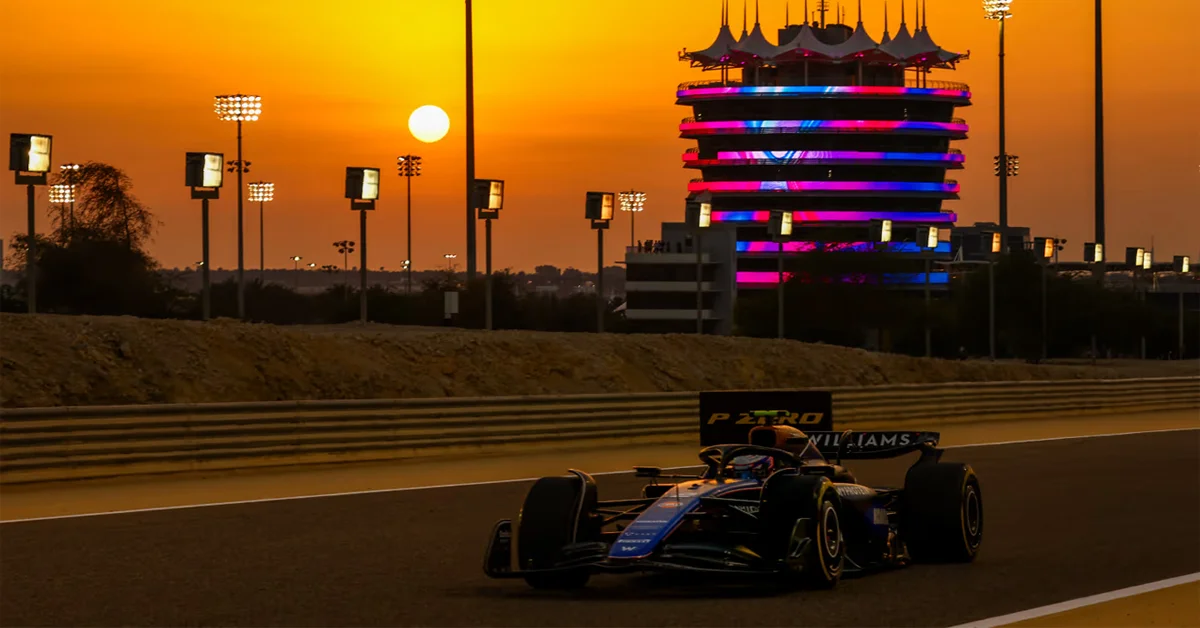
As the new Formula 1 season approaches, the world’s eyes turn to Bahrain, where pre-season testing gives the first glimpse of what teams and drivers are capable of. Pre-season testing is not just about lap times; it’s a critical phase that sets the tone for the entire championship. Fans, engineers, and team strategists all watch closely, hoping to decode which team will dominate and which drivers will shine.
Bahrain International Circuit, with its mix of long straights, sharp corners, and challenging heat, is the perfect stage for this testing. It allows teams to push their cars to the limits while gathering valuable data that will inform decisions throughout the season.
Understanding the Purpose of Pre-Season Testing
Pre-season testing serves multiple purposes beyond the obvious goal of getting cars ready for the first race. For drivers, it’s an opportunity to familiarize themselves with new machinery, build confidence, and fine-tune their driving styles to suit the car’s characteristics.
For teams, testing is about more than just performance. Engineers use these sessions to analyze aerodynamics, engine reliability, tire behavior, and data collection systems. Every lap provides critical insights into how the car responds under different conditions, and teams can experiment with new components without the pressure of championship points.
Pre-season testing also offers a glimpse into potential performance hierarchies. While lap times can be misleading, patterns often emerge over the course of multiple days, hinting at which teams might have an early advantage.
What Fans Can Look Forward To

Fans attending or following pre-season testing should expect a mix of excitement and unpredictability. Unlike race weekends, where strategies are carefully hidden, testing is more open. Teams often reveal new liveries, updated parts, or even completely redesigned cars.
Drivers themselves are often more relaxed during testing, offering rare moments of personality and interaction with fans. Social media buzzes with behind-the-scenes glimpses, and technical experts break down every aspect of car performance, sparking debates and predictions.
The Bahrain track itself adds drama to testing. Its desert location means teams must deal with high temperatures and potential sand on the circuit, which affects grip and tire wear. These conditions test both the durability of the cars and the adaptability of the drivers, providing a realistic preview of the challenges they might face during the season.
Key Elements to Watch During Testing
Car Performance and Reliability
One of the main things teams monitor during testing is the reliability of the cars. A car may be fast, but if it fails under stress, it’s a major problem. Fans will notice which teams consistently complete long runs without technical issues, as this is often a strong indicator of a solid foundation for the season.
Tire Management
Tires play a crucial role in Formula 1 performance, and pre-season testing is where teams begin to understand tire behavior in real-world conditions. Teams test different compounds, simulate race stints, and monitor how tires degrade under various loads. This data can shape race strategies and influence decisions on tire selection during the season.
Aerodynamics and Setup
Testing in Bahrain also allows teams to experiment with aerodynamic setups. Small adjustments to wings, diffusers, and bodywork can lead to significant changes in balance and speed. Observers often look for which cars seem most stable through corners and which drivers are able to extract maximum performance from their setups.
Data Analysis and Strategy Planning
Every lap generates vast amounts of data, which teams analyze in real time. Engineers track everything from engine temperatures to fuel consumption, braking efficiency, and tire wear. This data is crucial not only for improving the car but also for planning race strategies and understanding how competitors might perform.
Why Bahrain Is the Perfect Pre-Season Venue
Bahrain’s combination of track layout, climate, and facilities makes it ideal for pre-season testing. The circuit’s long straights allow teams to gauge top-end speed, while its tight corners test braking and handling. The heat challenges cooling systems and tires, giving teams realistic conditions similar to what they will face in several season races.
Additionally, Bahrain’s facilities are designed to support extensive testing programs. Teams can work efficiently on car setup, logistics, and technical adjustments without the constraints of a packed race weekend. This allows for a focused environment where every detail can be scrutinized.
How to Interpret Test Results
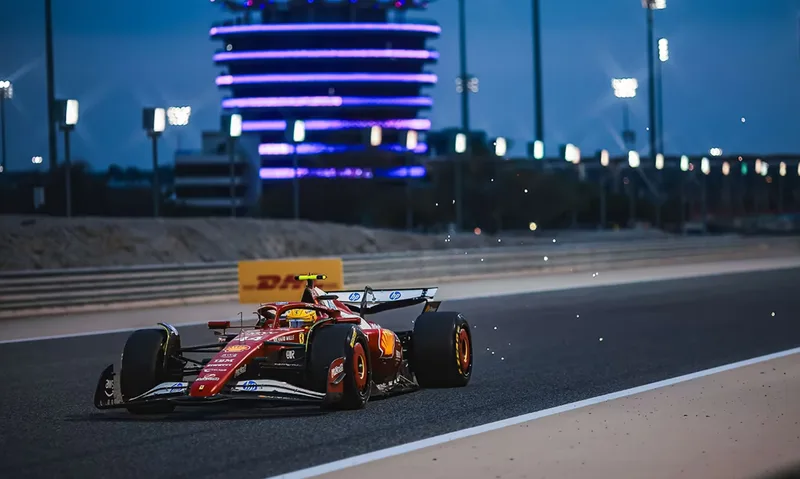
While fans often get excited about lap times during testing, it’s important to interpret them with caution. Teams have different testing programs, fuel loads, and tire strategies, which can skew apparent performance. A slower lap time doesn’t necessarily mean a car is weak, just as a fast time doesn’t guarantee race success.
Instead, fans should focus on consistency, reliability, and how quickly teams adapt to changing conditions. Observing the pace over longer runs and how drivers manage tire degradation can provide more meaningful insights into likely performance during the season.
Excitement Beyond the Track
Pre-season testing isn’t just about cars; it’s about storytelling. Fans get to see the first glimpses of rivalries, driver dynamics, and technical innovations. Analysts and commentators dissect every image and statistic, building narratives that carry through to the season opener.
Social media engagement is high during testing weeks, with fans sharing predictions, memes, and reactions. It’s a time when the Formula 1 community comes together, building anticipation and excitement for the first race of the year.
Final Thoughts: What Testing Tells Us
Pre-season testing in Bahrain is both practical and symbolic. It prepares teams and drivers for the challenges ahead while giving fans a preview of potential championship battles. While lap times are just numbers, the insights gained from testing set the stage for the stories, surprises, and successes that define the Formula 1 season.
Expect a mix of reliability tests, tire experiments, aerodynamic tweaks, and data analysis. Watch how drivers adapt to new cars, how teams handle technical issues, and how patterns of performance emerge. Pre-season testing is the calm before the storm—a crucial glimpse into the battles that will captivate fans around the world.
Bahrain provides the perfect backdrop for this journey, combining challenging conditions, world-class facilities, and a passionate motorsport culture. For fans, engineers, and teams alike, pre-season testing is an exciting, essential, and deeply human part of the Formula 1 experience.
Do Follow Gulf Magazine on Instagram
Read More:- UN and Bahrain Honour Trailblazing Indian-American Maritime Visionary 2026

