


Bahrain has taken a decisive step in reshaping its governmental aviation strategy by phasing out its sole G550 aircraft. This move marks a significant transformation in the kingdom’s approach to official air transport, focusing on modernization, efficiency, and strategic allocation of resources.
The G550, a symbol of executive luxury and long-range capability, has long served as Bahrain’s exclusive governmental jet. Its retirement signals not just the end of an era but the beginning of a more streamlined and cost-conscious approach to state aviation.
Strategic Reasons Behind the Phase-Out
The decision to retire the G550 is rooted in multiple strategic considerations. First, operational efficiency is a major factor. Maintaining a single high-cost aircraft can be resource-intensive, especially in terms of maintenance, fuel consumption, and crew management. By phasing out the G550, Bahrain is prioritizing financial prudence without compromising essential governmental travel capabilities.
Second, sustainability and environmental responsibility play an increasing role in aviation decisions globally. Modern aircraft are designed with better fuel efficiency and lower carbon emissions. Retiring the older G550 aligns Bahrain with global trends toward greener, more sustainable air transport, reflecting the kingdom’s commitment to environmental stewardship.
Third, the evolving needs of governmental travel have influenced this move. Flexibility, speed, and operational readiness are crucial for state operations, and relying on a single aircraft can limit these capacities. By exploring alternatives, Bahrain ensures that governmental travel remains adaptable to changing diplomatic and operational demands.
Impact on Government Operations

The retirement of the G550 is expected to bring several tangible benefits to Bahrain’s governmental operations. One of the immediate impacts will be cost reduction. The expenses associated with long-term maintenance, fuel, and pilot training for a sole specialized aircraft can be significantly reduced when replaced by more versatile or commercially available options.
Operational flexibility is another key benefit. Instead of depending on a single asset, the government can leverage multiple smaller or more modern aircraft suited to different mission types. Whether it’s short regional trips or longer international engagements, the new approach allows for more efficient allocation of resources.
Additionally, retiring the G550 presents opportunities for technological upgrades. Newer aircraft come equipped with state-of-the-art navigation, communication, and safety systems, ensuring that Bahrain’s governmental fleet remains competitive and secure in the modern aviation landscape.
Symbolism and Public Perception
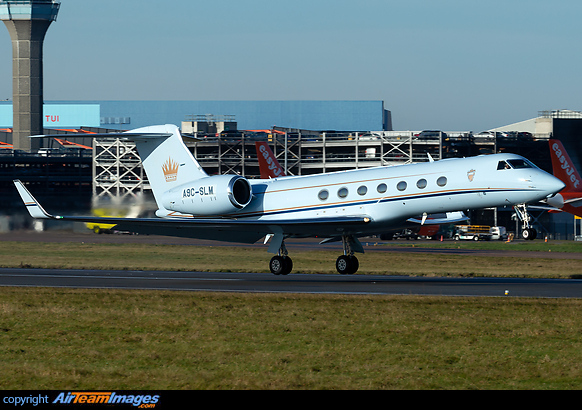
The G550 has long been a symbol of prestige in Bahrain. Its retirement, however, is being viewed positively as a responsible and forward-thinking decision. Citizens and observers recognize the move as a reflection of modern governance that values efficiency, sustainability, and practicality over luxury.
This decision also sends a subtle diplomatic message. By aligning its governmental aviation with contemporary standards, Bahrain demonstrates an awareness of global trends and a commitment to modernization, which can enhance its reputation in international circles.
Potential Alternatives and Future Plans
While the G550 is being retired, Bahrain is not stepping back from its governmental aviation needs. Officials are reportedly exploring options that prioritize operational efficiency, cost-effectiveness, and flexibility. This may include leasing modern business jets, utilizing regional carriers for certain trips, or integrating smaller, more fuel-efficient aircraft into the official fleet.
The shift could also open doors for collaborative arrangements with allied nations, allowing Bahrain to access aircraft as needed without the burden of sole ownership. This approach not only reduces costs but also strengthens diplomatic and logistical networks.
Conclusion
Bahrain’s decision to phase out its sole governmental G550 is more than a logistical change—it reflects a broader commitment to modernization, sustainability, and strategic efficiency. While the G550 symbolized prestige and luxury, its retirement underscores a pragmatic and forward-thinking approach to governance.
By embracing more flexible, cost-effective, and environmentally conscious alternatives, Bahrain is setting an example of how nations can adapt their resources to meet contemporary challenges. This transition ensures that governmental operations remain efficient, responsive, and aligned with the kingdom’s long-term vision.
The retirement of the G550 is not an end but a transformation paving the way for smarter aviation strategies and signaling Bahrain’s readiness to embrace the future of governmental air travel.
Do Follow Gulf Magazine on Instagram
Read More:- Cadillac Unveils Stunning 2026 F1 Livery Ahead of Bahrain Test

