


As the engines roar back to life, Formula 1 fans eagerly turn their attention to Bahrain, where pre-season testing kicks off the journey toward a new and exciting season. These tests are much more than just a warm-up for teams; they offer a unique window into the latest technological advancements, team strategies, and driver dynamics. For enthusiasts, analysts, and casual viewers alike, understanding what happens during pre-season testing can make the excitement of race weekend even richer.
Understanding the Purpose of Pre-Season Testing
Pre-season testing serves multiple critical purposes. First and foremost, it allows teams to evaluate their cars’ performance after months of design and engineering work. Engineers and drivers gather essential data on aerodynamics, tire behavior, and reliability under real track conditions. This is the first opportunity for teams to see how their cars respond to the rigors of high-speed racing, revealing strengths and highlighting areas that need urgent attention.
Beyond technical checks, testing helps drivers reacquaint themselves with the cockpit and refine their driving techniques. Every lap completed provides invaluable feedback to teams, helping them fine-tune setups for maximum efficiency and speed before the season officially begins.
Key Features of Bahrain as a Testing Venue

Bahrain’s Sakhir circuit is a popular choice for pre-season testing because it combines high-speed straights with challenging corners, making it a perfect simulation for the demands of the season. The desert location adds another layer of unpredictability, with sand sometimes affecting grip and track conditions. These factors test not only the car’s performance but also the team’s adaptability in handling unexpected situations.
The climate in Bahrain, typically warm and dry, allows teams to evaluate how their cars manage tire temperatures and brake performance over extended runs. This data is crucial, as proper tire management is often a deciding factor during actual races.
What Fans Can Expect to See
Pre-season testing is as much a spectacle for fans as it is a vital technical process for teams. Observers can expect to see drivers pushing their cars to the limit, experimenting with different setups and strategies. It’s a rare chance to witness behind-the-scenes moments that usually remain hidden during race weekends.
Fans also get glimpses of new car designs, including bold aerodynamic upgrades, revised chassis, and innovative color schemes. The testing period is a sneak peek into the evolution of Formula 1 technology and a preview of what could dominate the tracks in the upcoming season.
Key Areas of Focus During Testing
Car Performance and Reliability
Teams are primarily focused on understanding how their cars perform under sustained racing conditions. They monitor engine efficiency, gear shifts, and suspension behavior, ensuring that each component operates seamlessly. Reliability is paramount; even a minor mechanical failure during a race can have severe consequences.
Tire Testing and Strategy
Tires are the most critical interface between car and track. During testing, teams experiment with different compounds to understand grip levels, wear rates, and performance consistency. The insights gained here influence race strategies, pit stop plans, and tire selection throughout the season.
Driver Adaptation and Feedback
Drivers play a key role in testing. Their feedback on handling, braking, and overall comfort helps engineers make precise adjustments. Pre-season testing also allows new drivers to familiarize themselves with the team, build confidence, and understand the car’s limits.
What Teams Hope to Achieve
For every team, pre-season testing is a chance to identify competitive advantages. Leading teams aim to confirm their dominance, while mid-field and new entrants focus on closing performance gaps. By analyzing telemetry data, pit stop efficiency, and tire performance, teams develop strategies that could make or break their championship campaigns.
Testing is also a critical opportunity to spot weaknesses early, preventing costly mistakes during actual races. Every second on track is valuable, as it provides insights that might determine the outcome of the entire season.
The Excitement for Fans and Media
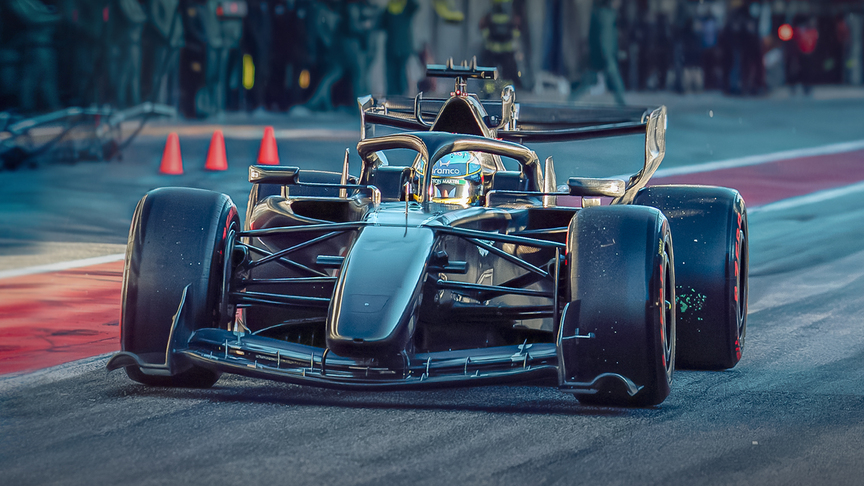
Pre-season testing isn’t just a technical exercise; it’s a festival of anticipation. Media outlets cover every major update, from driver interviews to surprise car reveals. Social media buzz intensifies as fans speculate about team performance and championship prospects. This period sets the tone for the season, building momentum and excitement long before the first race flag drops.
Looking Ahead to the Season
As testing concludes, teams consolidate their findings, make final adjustments, and prepare for the season opener. Observers can already start forming predictions based on car performance, driver confidence, and technical innovation seen in Bahrain. While testing doesn’t always reveal the full competitive landscape, it provides the first real glimpse into which teams might dominate and which will need to fight harder for every point.
Pre-season testing is the calm before the storm of competitive racing, a moment when preparation, strategy, and skill converge. For fans, it’s the first taste of adrenaline, speed, and innovation that makes Formula 1 such a thrilling sport.
Conclusion
Bahrain pre-season testing offers more than just data and numbers; it is an exciting, revealing, and vital part of Formula 1. From technical advancements to driver performance and strategy experimentation, every lap matters. Fans, analysts, and teams alike can look forward to a season full of thrilling races and groundbreaking innovation, all starting with the intense, insightful sessions in Bahrain.
Do Follow Gulf Magazine on Instagram
Read More:- Saudi Arabia’s Unstoppable Growth Ignites Regional Optimism 2026

