


In a region where alliances are constantly tested and security dynamics shift rapidly, Somalia and Saudi Arabia have taken a decisive step forward. The two nations have formally signed a defence cooperation agreement, signaling not just a bilateral partnership but a broader message about stability, trust, and shared responsibility in the Gulf and Red Sea region. At a time when tensions are rising and uncertainty looms large, this agreement reflects a calculated and confident move by both governments to safeguard their interests while contributing to regional balance.
The defence pact comes at a crucial moment. The Gulf region is navigating complex challenges ranging from maritime security threats to political rivalries and proxy conflicts. Against this backdrop, Somalia and Saudi Arabia’s decision to deepen military and security ties highlights a growing alignment in strategic priorities and a shared vision for long-term regional security.
Understanding the Context Behind the Defence Agreement
The Horn of Africa and the Gulf have always been deeply interconnected through trade routes, migration, cultural ties, and security concerns. Somalia’s long coastline along the Indian Ocean and its proximity to critical shipping lanes make it a key player in maritime security. Saudi Arabia, as a leading power in the Gulf and custodian of vital sea routes through the Red Sea, has a strong interest in ensuring stability along these corridors.
Rising tensions in the Gulf, including concerns over naval security, arms smuggling, and non-state militant threats, have pushed regional powers to reassess their security frameworks. The Somalia–Saudi defence agreement emerges from this environment, aiming to enhance cooperation before challenges escalate further.
For Somalia, which has spent years rebuilding its national institutions and security forces, partnerships with experienced regional allies are essential. For Saudi Arabia, engaging Somalia strengthens its southern maritime flank and reinforces its role as a stabilizing force in the wider region.
Key Elements of the Somalia–Saudi Defence Pact
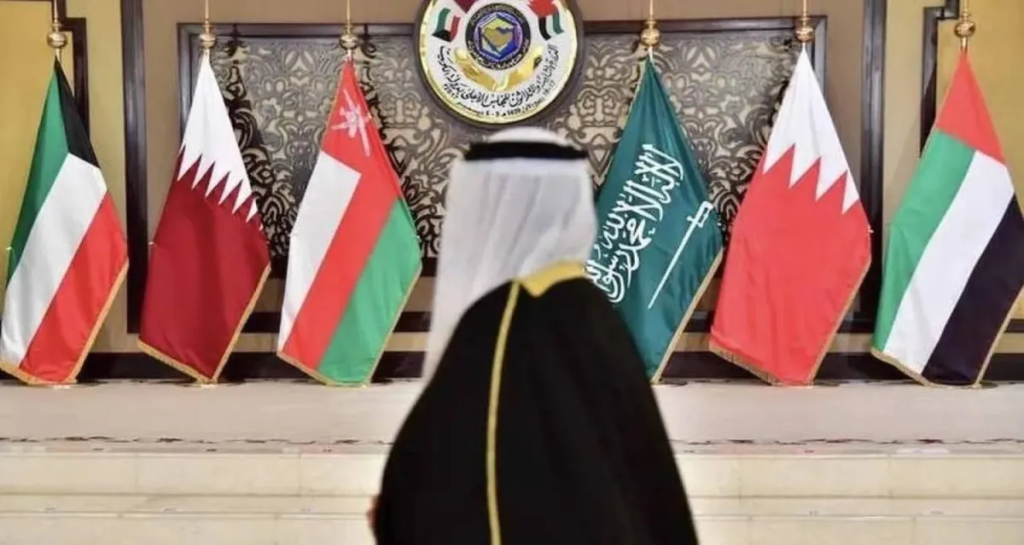
While the full details of the agreement have not been publicly disclosed, the framework is understood to focus on several core areas of cooperation. These include military training, intelligence sharing, counterterrorism coordination, and capacity building for Somalia’s defence institutions.
Military Training and Capacity Building
One of the most important aspects of the agreement is expected to be training support for Somali security forces. Saudi Arabia brings decades of military experience, advanced training infrastructure, and institutional knowledge. By supporting Somali forces, the Kingdom can help accelerate Somalia’s efforts to build a professional, self-reliant military capable of maintaining internal stability and securing its borders.
For Somalia, this represents more than technical assistance. It is a step toward regaining full control over its national security and reducing reliance on external peacekeeping missions over time.
Intelligence Sharing and Counterterrorism Cooperation
Both countries face threats from extremist groups, albeit in different forms. Somalia continues to confront militant organizations that challenge state authority, while Saudi Arabia remains vigilant against transnational extremist networks. Intelligence sharing under the defence agreement can enhance early warning systems, disrupt funding channels, and prevent cross-border movement of militants.
This collaboration reflects a shared understanding that security threats today are interconnected and cannot be addressed in isolation.
Maritime Security and Red Sea Stability
Maritime security is a central concern for both nations. The waters connecting the Gulf of Aden and the Red Sea are among the busiest shipping routes in the world. Any disruption in this region has global economic implications.
Through coordinated naval efforts, joint exercises, and information exchange, Somalia and Saudi Arabia can contribute to safer sea lanes. For Somalia, strengthening maritime security also means combating illegal fishing, piracy, and smuggling along its coast.
Why This Agreement Matters for Somalia
For Somalia, the defence agreement represents international confidence in its progress. After years of conflict and political fragmentation, Somalia has been working to rebuild its institutions and reassert itself as a responsible regional partner. Formalizing a defence partnership with a major Gulf power sends a strong signal that Somalia is no longer seen only as a security challenge, but also as part of the solution.
The agreement also supports Somalia’s broader foreign policy goal of diversifying its partnerships. By engaging constructively with Saudi Arabia, Somalia enhances its diplomatic leverage and gains access to expertise and resources that can support national development alongside security reform.
Saudi Arabia’s Strategic Calculations
Saudi Arabia’s engagement with Somalia is driven by both security and strategic considerations. The Kingdom has been increasingly focused on protecting critical maritime routes and countering instability that could spill into the Red Sea region. Somalia’s geographic position makes it a natural partner in this effort.
Additionally, Saudi Arabia has been expanding its diplomatic and security footprint across Africa. Strengthening ties with Somalia aligns with its broader vision of proactive regional engagement, where cooperation replaces confrontation and partnerships are built on mutual benefit.
The defence agreement also reflects Saudi Arabia’s preference for institutional partnerships rather than ad-hoc security arrangements. By working directly with Somalia’s government, the Kingdom reinforces state-based security cooperation.
Regional Implications Amid Rising Gulf Tensions
The timing of the defence agreement is particularly significant given the current climate in the Gulf. Rivalries, shifting alliances, and external pressures have heightened the sense of unpredictability. In such an environment, formal defence partnerships serve as stabilizing anchors.
Somalia and Saudi Arabia’s agreement may encourage other regional actors to pursue similar cooperative frameworks. Rather than escalating tensions, such partnerships can promote dialogue, coordination, and shared responsibility for security.
At the same time, the agreement subtly reshapes regional dynamics. It underscores Saudi Arabia’s intention to remain actively engaged in shaping security outcomes beyond its immediate borders, while positioning Somalia as a reliable partner in regional security architecture.
Balancing Security With Sovereignty
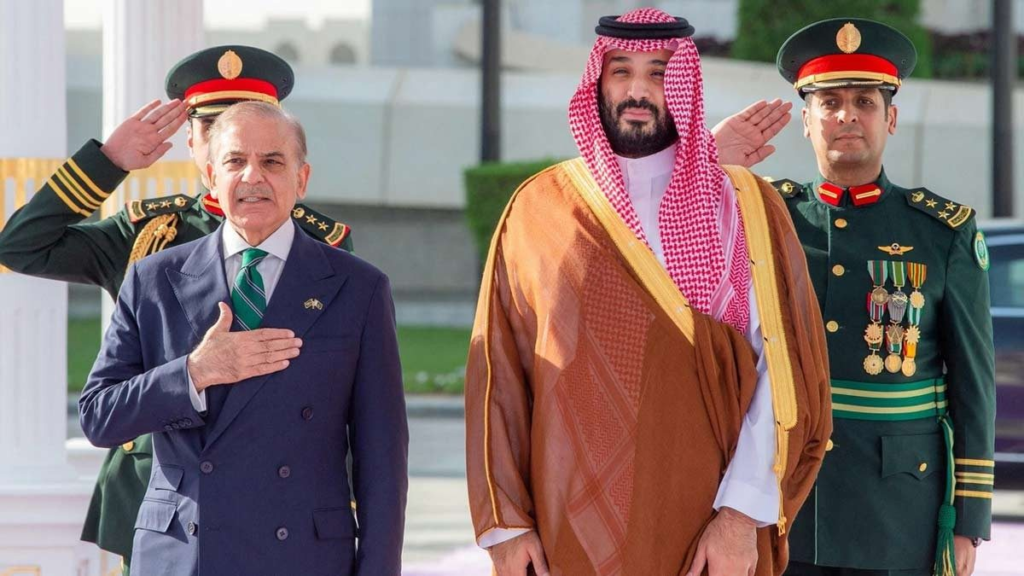
One of the key challenges for Somalia will be ensuring that enhanced defence cooperation strengthens national sovereignty rather than undermines it. Somali leaders have emphasized the importance of partnerships that respect national priorities and support local capacity.
Saudi Arabia’s approach, focused on training and institutional support rather than direct intervention, appears aligned with this goal. If implemented carefully, the agreement can help Somalia stand stronger on its own while benefiting from regional expertise.
Human Impact and Long-Term Vision
Beyond strategic calculations, the defence agreement carries real implications for ordinary people. Improved security can create space for economic growth, infrastructure development, and humanitarian progress. For Somali communities affected by years of instability, stronger national security institutions offer hope for a more predictable and peaceful future.
For Saudi Arabia, contributing to stability in Somalia aligns with a broader vision of regional prosperity. Stability in neighboring regions reduces the risk of conflict spillover, protects trade routes, and supports economic integration.
Challenges Ahead and the Path Forward
Like any defence agreement, success will depend on implementation. Coordinating across different military cultures, ensuring transparency, and maintaining political commitment on both sides will be essential. Somalia’s internal political dynamics and resource constraints also present challenges that cannot be ignored.
However, the formalization of the agreement itself is a strong starting point. It creates a structured platform for dialogue, planning, and evaluation, reducing the risk of misunderstandings and ad-hoc responses.
A Signal of Confidence in Cooperation
At its core, the Somalia–Saudi Arabia defence agreement is a statement of confidence. It reflects trust between two nations navigating a complex regional landscape and choosing cooperation over isolation. Amid rising Gulf tensions, this partnership offers a reminder that stability is built through shared effort, mutual respect, and long-term commitment.
As the agreement moves from paper to practice, its impact will be closely watched. If successful, it could serve as a model for how regional powers and emerging states work together to address shared security challenges while laying the foundation for a more secure and balanced future.
Do Follow Gulf Magazine on Instagram
Read More:- The Saudi Play in Syria That Shocked Regional Powerhouses 2026

