

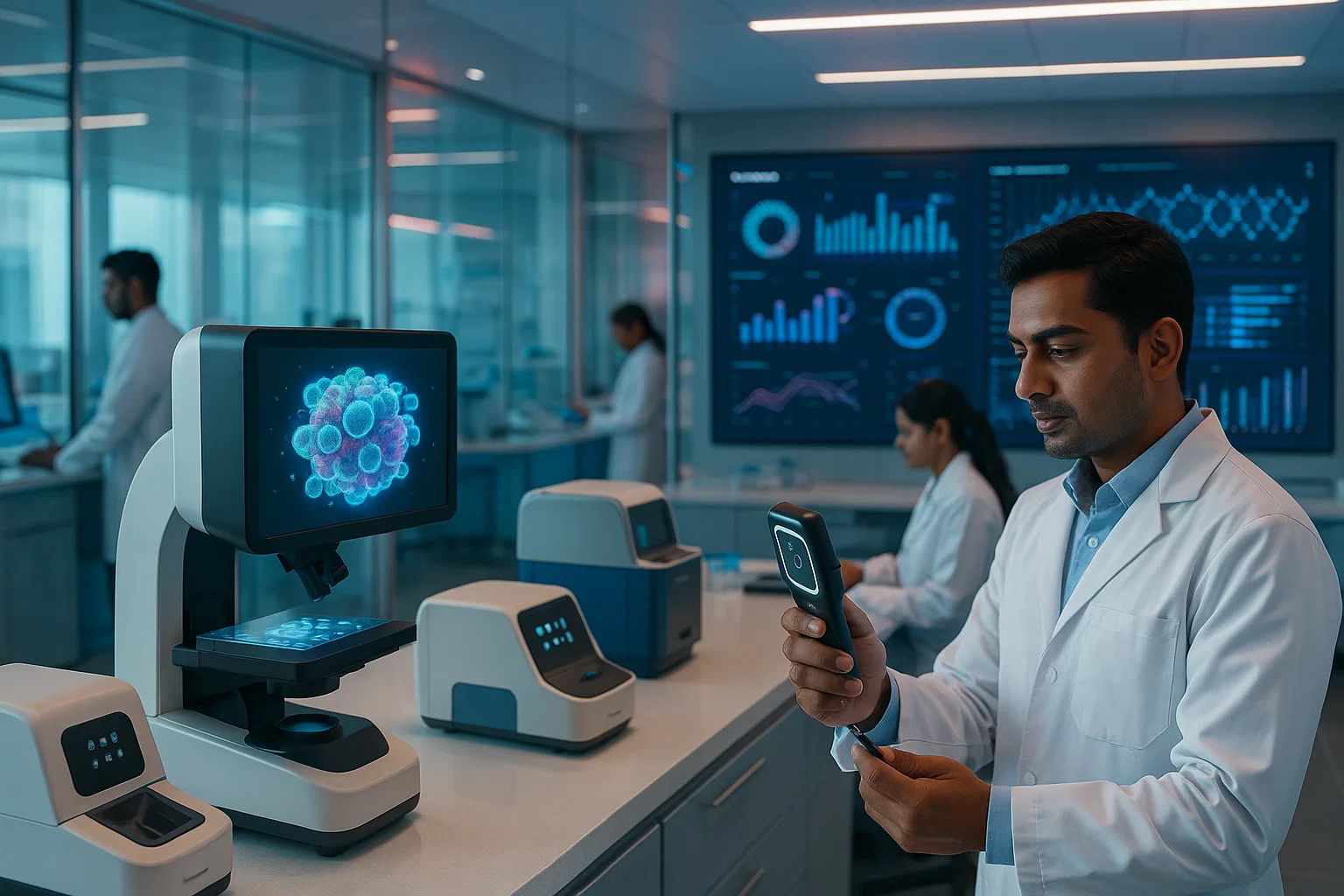
In today’s fast-paced world, understanding your health is more critical than ever. Diagnostic labs and imaging centers play a pivotal role in helping individuals and doctors make informed decisions about health. These centers go beyond simple tests they offer advanced technology, expert analysis, and timely results that empower patients to take proactive steps toward wellness.
The Role of Diagnostic Labs in Modern Healthcare
Diagnostic labs are the backbone of modern healthcare. They provide a wide range of tests that help detect diseases early, monitor ongoing conditions, and guide effective treatment. From routine blood tests to advanced molecular diagnostics, these labs offer insights that are essential for maintaining good health.
One of the key advantages of diagnostic labs is accuracy. With cutting-edge equipment and skilled technicians, labs can provide precise results that doctors rely on to make critical decisions. Whether it’s detecting vitamin deficiencies, hormonal imbalances, or infections, reliable diagnostics ensure that patients receive the right care at the right time.
Diagnostic labs also contribute to preventive healthcare. Regular screenings can help identify risks before symptoms appear, allowing individuals to take preventive measures. This proactive approach reduces the likelihood of serious health complications and promotes long-term wellness.
Advancements in Imaging Centers

Imaging centers complement diagnostic labs by providing visual insights into the body. Techniques such as X-rays, CT scans, MRI scans, and ultrasound imaging allow doctors to see inside the body without invasive procedures. These technologies are essential for diagnosing conditions ranging from fractures and tumors to internal organ issues.
Modern imaging centers leverage state-of-the-art machines that deliver high-resolution images quickly. The precision and clarity of these images allow for early detection of abnormalities, which can be critical for effective treatment. For example, early-stage cancer detection through imaging can significantly improve survival rates and treatment outcomes.
Beyond diagnosis, imaging centers are also used for monitoring progress. Patients undergoing treatment for chronic conditions or recovering from surgery can benefit from regular imaging to track improvements and adjust treatment plans accordingly.
Combining Diagnostics and Imaging for Comprehensive Care
The synergy between diagnostic labs and imaging centers ensures comprehensive healthcare. While labs analyze blood, urine, and tissue samples for biochemical or genetic markers, imaging centers provide a visual perspective of the body’s internal structures. Together, they create a complete picture of a patient’s health.
This integrated approach helps doctors make more accurate diagnoses and develop personalized treatment plans. For instance, a patient with unexplained pain might undergo lab tests to check for infection and imaging scans to rule out structural issues. The combination of results leads to faster, more precise treatment decisions.
Additionally, many modern healthcare facilities now offer both diagnostic and imaging services under one roof. This convenience reduces the time and effort required by patients while ensuring seamless coordination between different specialists.
Benefits of Using Trusted Diagnostic and Imaging Centers
Choosing a reputable diagnostic lab or imaging center comes with multiple advantages:
- Accuracy and Reliability: Advanced technology and certified technicians minimize errors, providing trustworthy results.
- Speed and Convenience: Many centers offer fast turnaround times and online result access, saving valuable time.
- Comprehensive Testing: From basic check-ups to specialized tests, patients can access a wide array of services.
- Early Detection: Regular screenings and imaging help identify potential health risks before they escalate.
- Patient-Centric Care: Modern centers prioritize patient comfort, privacy, and clear communication throughout the testing process.
Patients benefit not only from high-quality diagnostics but also from guidance and counseling based on results. Many centers provide consultations to help individuals understand their health data and take actionable steps for improvement.
How Technology is Transforming Diagnostics
The digital revolution has transformed both labs and imaging centers. Automated machines, AI-powered analysis, and electronic health records streamline processes and improve accuracy. For example, artificial intelligence can assist in reading imaging scans to detect subtle abnormalities that may be missed by the human eye. Similarly, automated lab equipment reduces human error in sample processing.
Telemedicine integration allows patients to receive test results and consult with doctors remotely. This combination of technology and personalized care enhances accessibility and ensures timely interventions, even for those living far from major healthcare hubs.
Choosing the Right Lab or Imaging Center
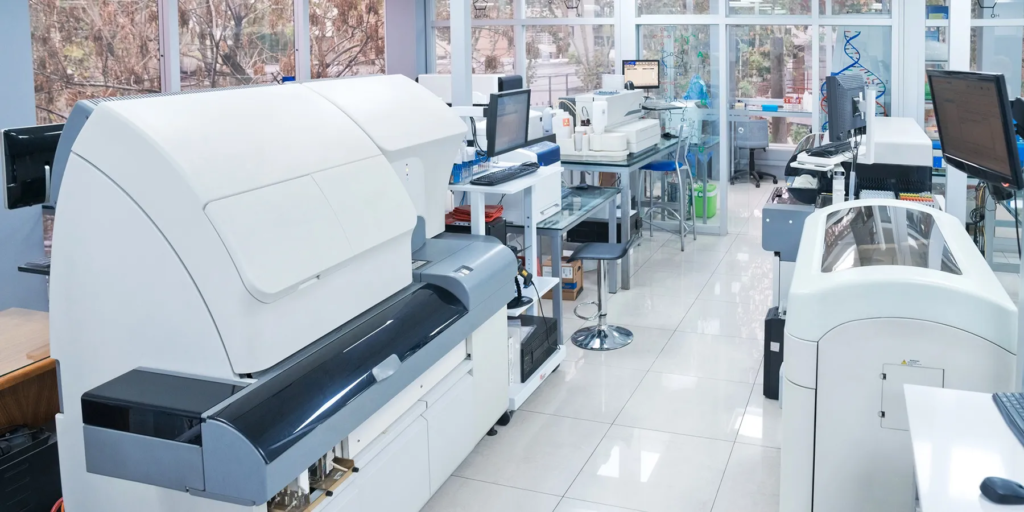
When selecting a diagnostic or imaging center, consider factors such as accreditation, technology, turnaround time, and patient reviews. Accredited labs adhere to strict quality standards, ensuring reliable results. Advanced equipment and experienced staff contribute to accurate diagnostics, while quick reporting and patient-friendly services improve the overall experience.
Accessibility is another important factor. Centers located near residential areas or hospitals reduce travel stress and allow patients to schedule tests conveniently. Some centers also offer home sample collection, making healthcare even more accessible for elderly or immobile patients.
The Future of Diagnostics
The future of health diagnostics looks promising, with innovations continuously emerging. Personalized medicine, powered by genetic testing and predictive analytics, is becoming a reality. Imaging technologies are evolving to provide even more detailed insights with lower radiation exposure. Integration of AI, robotics, and cloud-based platforms is creating faster, smarter, and more accurate diagnostic solutions.
As healthcare becomes increasingly proactive rather than reactive, diagnostic labs and imaging centers will remain at the forefront of promoting wellness. Early detection, preventive care, and continuous monitoring will empower individuals to lead healthier lives.
Conclusion
Diagnostic labs and imaging centers are no longer just places for routine tests—they are gateways to better health. By providing accurate information, advanced imaging, and patient-centric services, they help individuals make informed decisions and take control of their well-being. Whether for preventive screenings, ongoing treatment, or early detection of health issues, these centers are indispensable in modern healthcare. Embracing their services today ensures a healthier, more informed tomorrow.
Do Follow Gulf Magazine on Instagram
Read More:- The Powerful Rise of Expert Maternal and Child Care Centers 2026

