

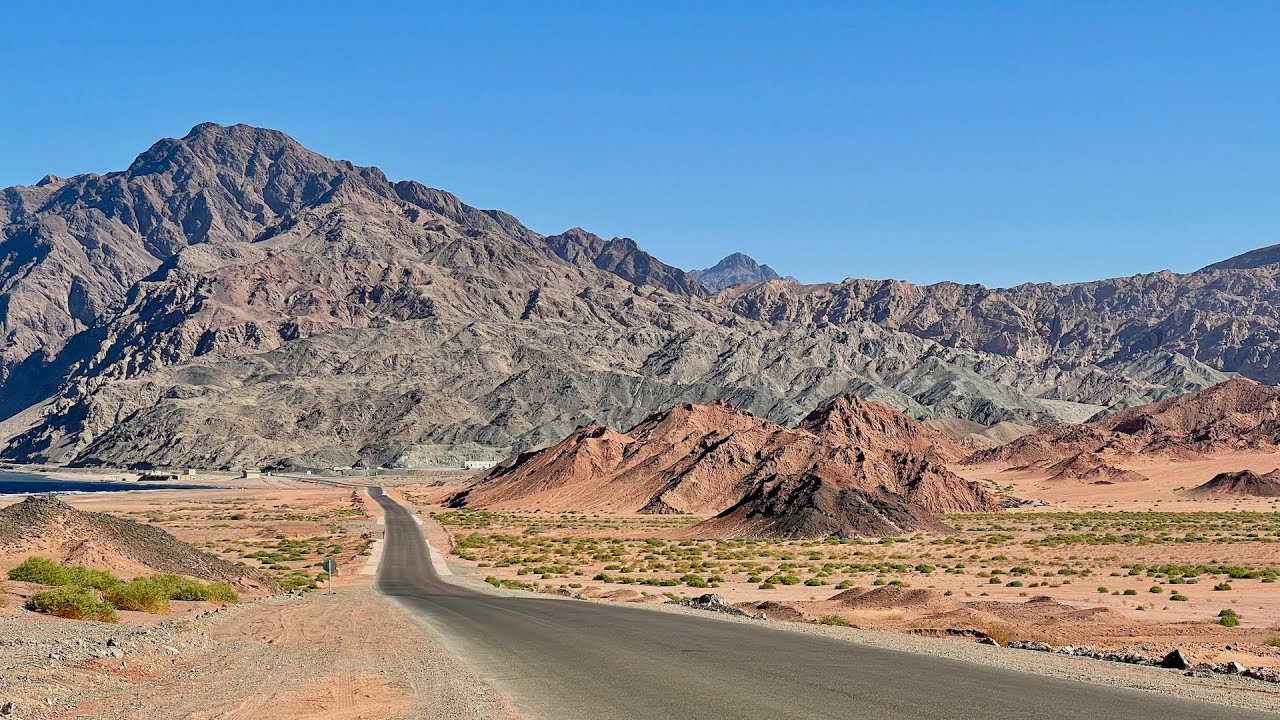
Nestled in the heart of Saudi Arabia’s Tabuk region, the Maqna Archaeological Site is a hidden gem that tells stories of civilizations long past. This ancient site, with its majestic ruins and historical significance, offers a glimpse into the rich cultural heritage of the Arabian Peninsula. For history enthusiasts, travelers, and scholars, Maqna provides an unparalleled journey into the past.
Visiting Maqna is not just about exploring ruins; it’s about connecting with history on a human level. The site reflects the lives, beliefs, and artistry of those who walked this land centuries ago, making it a powerful destination for cultural discovery.
Historical Significance of Maqna
Maqna has been recognized as an essential historical hub in Tabuk due to its strategic location along ancient trade routes. These routes once connected civilizations across the Arabian Peninsula and beyond, facilitating cultural and commercial exchange. The site contains remnants that indicate the presence of early settlements, trade centers, and perhaps religious or ceremonial structures.
Archaeologists have uncovered inscriptions and artifacts that hint at Maqna’s role in regional history. Stone carvings, pottery fragments, and ancient tools found here paint a picture of a community deeply engaged in trade, craftsmanship, and spiritual practices. Every artifact tells a story of resilience and ingenuity.
Architectural Marvels and Ruins
One of Maqna’s most striking features is its architecture. Unlike modern constructions, the structures here were built with natural stone and designed to endure the harsh desert climate. Some ruins suggest complex layouts, with carefully planned living spaces, storage areas, and defensive structures.
Visitors are often captivated by the stone carvings and walls that have survived centuries. These remnants reveal not only the technical skill of ancient builders but also their aesthetic sensibilities. The alignment of certain structures with natural landmarks suggests an understanding of astronomy and landscape that continues to impress historians today.
Cultural Insights from Artifacts
Maqna is rich in artifacts that provide insight into the culture, beliefs, and daily lives of its inhabitants. Pottery with intricate designs, ornamental jewelry, and tools crafted from stone and metal offer a window into a time when art and utility were seamlessly intertwined.
The inscriptions and engravings discovered at Maqna suggest a people who valued communication, storytelling, and ritual. These cultural markers help historians reconstruct the social dynamics, spiritual practices, and trade activities of ancient Tabuk. Each artifact humanizes the past, reminding us that these ruins were once vibrant centers of life and creativity.
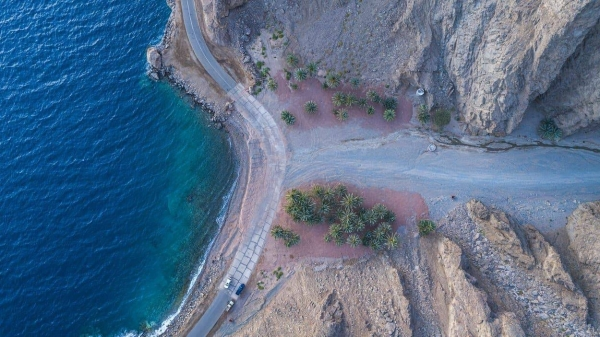
The Landscape Surrounding Maqna
Maqna’s location in Tabuk is as captivating as its ruins. The site is surrounded by stunning desert landscapes, rugged mountains, and natural springs that once supported early settlements. This environment shaped the lives of its inhabitants, influencing agriculture, trade, and daily routines.
The natural beauty around Maqna enhances the visitor experience. Hiking trails, scenic viewpoints, and serene desert expanses allow travelers to reflect on the historical significance of the site while enjoying the tranquility of the region. Nature and history converge here, creating a truly immersive experience.
Maqna and the Ancient Trade Routes
Maqna was more than a settlement; it was a key point along ancient trade networks. These routes facilitated the movement of spices, textiles, and precious metals between Arabia, the Levant, and beyond. The presence of imported goods at Maqna suggests that its inhabitants were skilled traders who maintained connections with far-reaching civilizations.
Understanding Maqna’s trade importance provides context to the artifacts found here. Some pottery and metalwork likely originated from distant lands, reflecting the cultural exchanges that enriched the local community. This network of trade transformed Maqna into a hub of commerce, culture, and innovation.
Archaeological Discoveries and Research
Excavations at Maqna have revealed layers of history spanning centuries. Archaeologists continue to uncover artifacts that shed light on daily life, religious practices, and social structures of ancient Tabuk. Each discovery adds depth to our understanding of the site and its historical importance.
Recent research has focused on preserving these invaluable relics while making the site accessible for educational purposes. Efforts include mapping ruins, restoring fragile structures, and cataloging artifacts for study. This careful approach ensures that Maqna can be appreciated by future generations while maintaining its authenticity.
Visiting Maqna Archaeological Site
For travelers, Maqna offers a blend of adventure, history, and cultural enrichment. The site is accessible from Tabuk city, and guided tours are available for those interested in detailed historical insights. Walking through the ruins, exploring ancient structures, and observing the surrounding landscapes provide a unique perspective on life in ancient Arabia.
Visitors are encouraged to approach Maqna with respect, understanding that it is not just a tourist destination but a preserved cultural treasure. Photography, sketching, and note-taking are popular activities, allowing individuals to capture and reflect on the site’s significance.
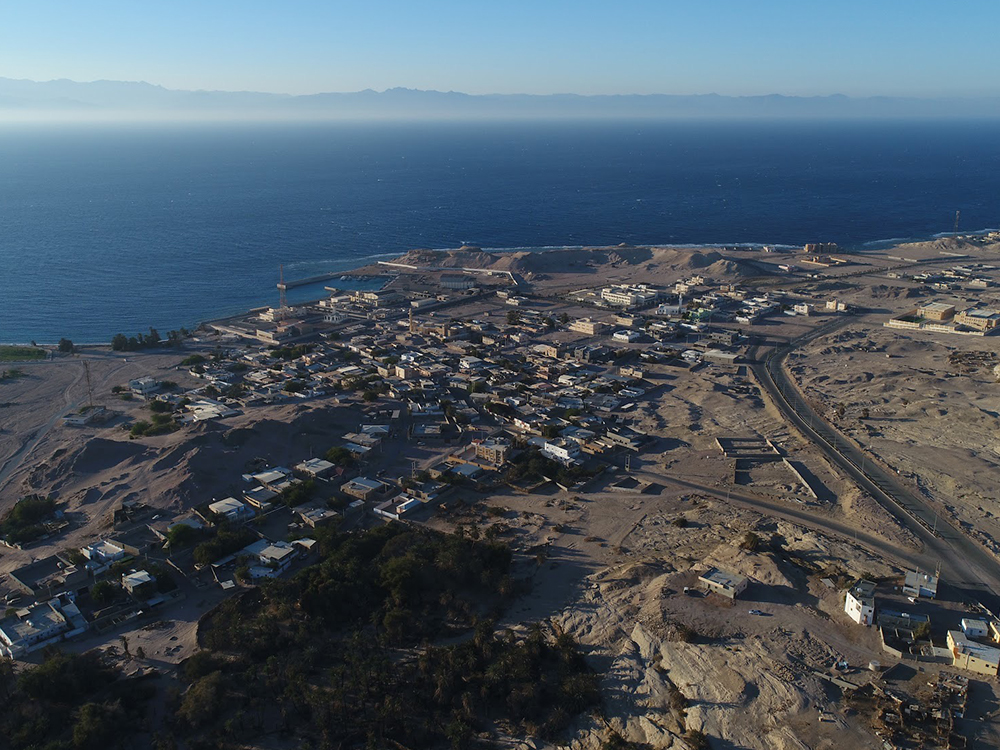
Maqna’s Role in Saudi Heritage
Maqna Archaeological Site is a cornerstone of Saudi Arabia’s rich historical heritage. It exemplifies the nation’s dedication to preserving its past while sharing it with the world. By studying and promoting sites like Maqna, Saudi Arabia highlights the importance of cultural continuity, education, and tourism.
The site also plays a role in inspiring local communities. Schools, universities, and cultural programs often organize visits, encouraging younger generations to engage with their heritage. Maqna serves as a living classroom, connecting people to history in a tangible and inspiring way.
Future Prospects and Preservation
Looking ahead, the future of Maqna lies in careful preservation and responsible tourism. Efforts are underway to develop infrastructure, improve visitor facilities, and create educational programs that deepen public appreciation for the site.
Sustainable tourism initiatives ensure that the ruins remain intact while allowing visitors to experience the site’s historical and cultural value. By balancing preservation with accessibility, Maqna can continue to inspire generations and serve as a symbol of Tabuk’s rich past.
Conclusion: A Journey Through Time
Maqna Archaeological Site in Tabuk is more than a collection of ancient ruins; it is a journey through time. Its architectural marvels, cultural artifacts, and stunning landscapes offer a window into the lives of those who shaped the region’s history.
For travelers, scholars, and history enthusiasts, Maqna is a destination that educates, inspires, and connects. Exploring this site is a reminder of the human spirit’s resilience, creativity, and desire for connection across generations. Maqna invites everyone to step into the past and experience the grandeur of ancient Tabuk firsthand.
Do follow Gulf Magazine on Instagram.
Also Read – Explore Al Tawba Fort Tabuk Ancient Heritage Gem

