

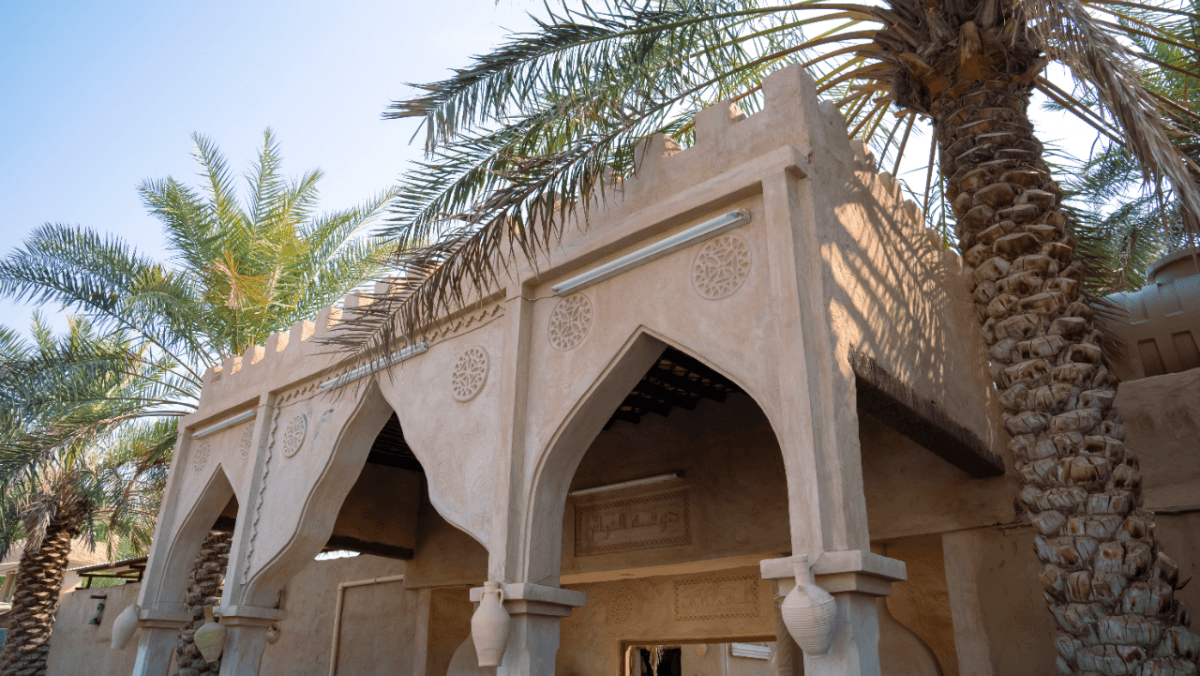
Nestled in the heart of northwestern Saudi Arabia, Tabuk Old Town is a living testament to centuries of history, culture, and tradition. Walking through its winding alleys and ancient structures feels like stepping back in time. The town’s rich heritage is visible in its architecture, markets, and the warm hospitality of its people. For travelers and culture enthusiasts, Tabuk Old Town offers an immersive journey into the past while still celebrating the vibrant life of the present.
Historical Significance of Tabuk
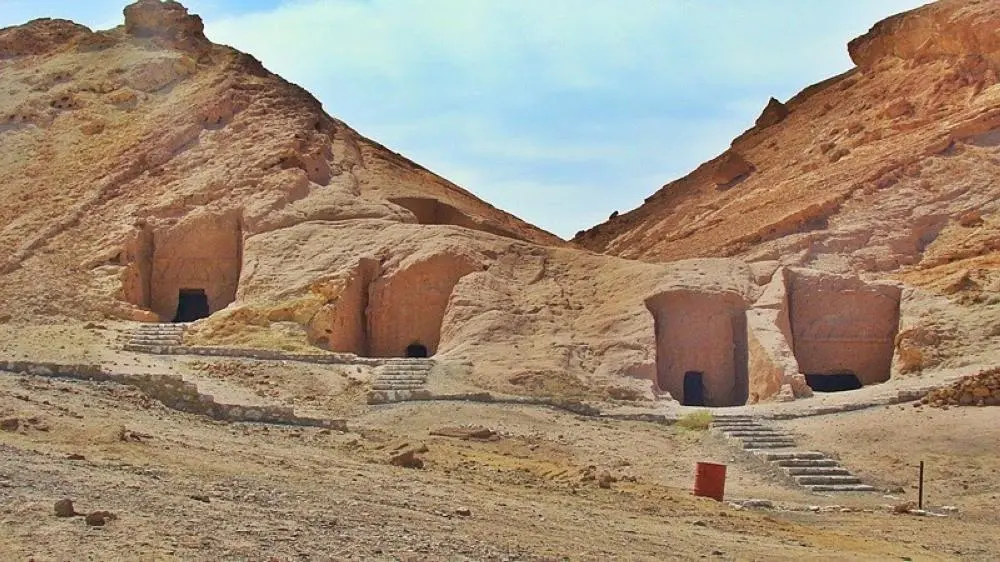
Tabuk has long been a crossroads for civilizations, serving as a strategic location along ancient trade routes. The town witnessed the rise and fall of empires, and each era left its mark in the form of architectural marvels, fortifications, and cultural traditions. Today, the Old Town preserves this rich history, allowing visitors to explore ancient walls, forts, and mosques that narrate stories of resilience, trade, and cultural exchange.
Architectural Marvels
The architecture in Tabuk Old Town is a striking blend of Islamic, Ottoman, and local Arabian designs. Traditional mud-brick houses, narrow lanes, and intricately carved wooden doors showcase craftsmanship that has been passed down through generations. One of the highlights is the Old Fort, which stands proudly as a symbol of the city’s defensive and strategic importance. Visitors can marvel at its towers and walls while imagining the historical events that once unfolded here.
Vibrant Traditional Markets
The bustling souks of Tabuk Old Town offer a glimpse into daily life as it has been for centuries. Merchants sell spices, textiles, handcrafted jewelry, and traditional garments, creating an authentic shopping experience steeped in culture. The markets are not just places to buy goods; they are spaces where stories are exchanged, and cultural knowledge is shared. Visitors can interact with local artisans, learn about traditional crafts, and take home unique souvenirs that carry the essence of Tabuk.
Cultural Festivals and Events
Tabuk Old Town comes alive during cultural festivals, which celebrate heritage, music, and traditional arts. These events offer visitors an opportunity to experience local folklore, dances, and culinary delights. Annual heritage festivals showcase the town’s vibrant cultural scene, inviting tourists to participate in workshops, storytelling sessions, and performances that highlight the community’s enduring traditions.
Gastronomic Heritage
Food is an essential part of Tabuk’s cultural heritage. Traditional dishes, often prepared using recipes passed down through generations, reflect the region’s rich culinary traditions. From aromatic rice dishes to savory pastries, visitors can indulge in flavors that tell the story of the land and its people. Local cafés and eateries provide a warm and inviting atmosphere, where travelers can savor authentic meals while observing daily life in the Old Town.
Museums and Cultural Centers
To deepen the understanding of Tabuk’s history, museums and cultural centers have been established throughout the Old Town. These spaces exhibit artifacts, manuscripts, and photographs that chronicle the town’s evolution over the centuries. Visitors can learn about Tabuk’s role in regional history, its architectural innovations, and the customs and traditions that have shaped its identity.
Experiencing Local Hospitality
Perhaps the most unforgettable aspect of Tabuk Old Town is its people. Residents are known for their generosity, warmth, and pride in their heritage. Visitors are often welcomed into homes or local tea houses, where they can engage in conversations, enjoy traditional refreshments, and gain insight into everyday life. This human connection adds a personal dimension to the cultural experience, making the visit truly enriching and memorable.
Preservation Efforts
In recent years, significant efforts have been made to preserve the cultural heritage of Tabuk Old Town. Restoration projects focus on maintaining the integrity of historic buildings while ensuring they remain accessible to the public. Community initiatives also promote awareness about the importance of cultural conservation, encouraging both locals and visitors to respect and protect the town’s heritage for future generations.
Nature and Surroundings
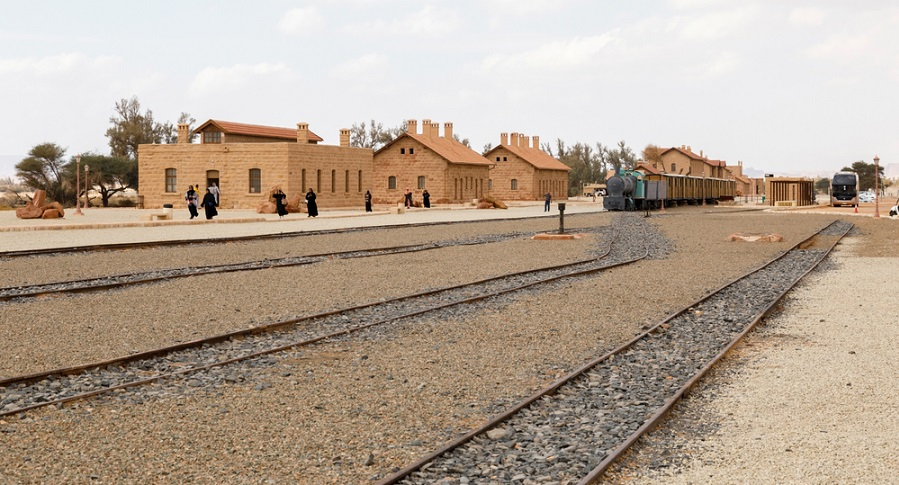
While the Old Town is a cultural treasure, its surroundings add to the overall experience. The region features picturesque landscapes, including rolling hills, deserts, and oases. Visitors can combine historical exploration with outdoor adventures, such as guided desert tours, hiking excursions, and photography trips, creating a balanced journey that celebrates both culture and nature.
Modern Integration with Heritage
Tabuk Old Town successfully blends modern amenities with its historic charm. Boutique hotels, cultural cafés, and artisan workshops coexist alongside centuries-old structures, providing a comfortable and immersive experience for travelers. This integration ensures that visitors can enjoy contemporary conveniences without detracting from the authenticity of the cultural exploration.
Educational Opportunities
For those interested in learning, Tabuk Old Town offers educational experiences that go beyond sightseeing. Workshops on traditional crafts, heritage walks led by knowledgeable guides, and interactive storytelling sessions allow visitors to engage deeply with the town’s culture. Schools and universities sometimes organize field trips here, giving students firsthand exposure to Saudi Arabia’s rich historical legacy.
Conclusion
Tabuk Old Town is more than just a historical site; it is a living, breathing embodiment of culture, heritage, and human connection. Its architecture, markets, festivals, and people together create an environment that honors the past while welcoming the present. For travelers seeking a meaningful cultural experience in Saudi Arabia, Tabuk Old Town offers an unforgettable journey through time, inviting everyone to explore, learn, and be inspired by its timeless beauty.
Do follow Gulf Magazine on Instagram.
Also Read – Dumat Al Jandal: Explore the Ancient City of Tabuk Heritage

