

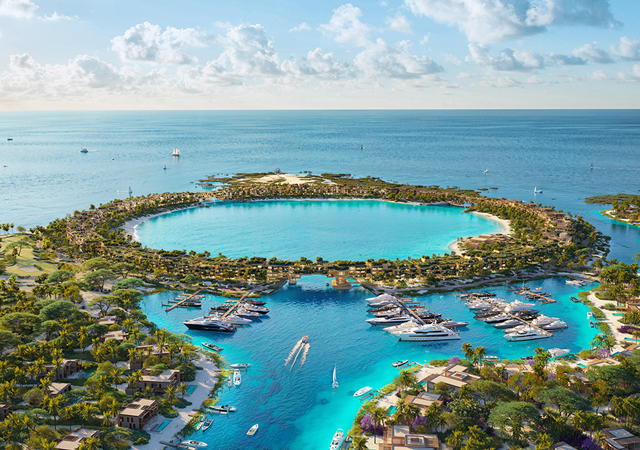
Egypt is setting its sights on a bold new chapter in tourism and coastal development with plans for a $1 billion marina and hotel project along the Red Sea. The ambitious development reflects the country’s ongoing commitment to strengthening its tourism sector, attracting foreign investment, and creating world-class destinations that compete on a global scale.
The Red Sea has long been one of Egypt’s most treasured natural assets. Known for its crystal-clear waters, vibrant coral reefs, and year-round sunshine, the region already attracts millions of visitors annually. With this new billion-dollar project, Egypt aims to elevate the experience even further—blending luxury hospitality, modern infrastructure, and sustainable design into one transformative coastal hub.
A Vision for a World-Class Coastal Destination
At the heart of the project lies the creation of a state-of-the-art marina paired with premium hotel developments. The marina is expected to cater to international yachts and cruise vessels, positioning Egypt as a premier maritime destination in the region. Designed to accommodate luxury boats and provide high-end services, the marina will serve as a gateway for elite travelers seeking exclusive Red Sea experiences.
Alongside the marina, a collection of upscale hotels and resorts will be developed to meet growing demand for luxury accommodation. These properties are expected to offer a mix of beachfront suites, private villas, wellness facilities, fine dining restaurants, and entertainment zones. The goal is not just to build hotels, but to create an integrated lifestyle destination where visitors can unwind, explore, and connect with the natural beauty of the Red Sea.
This development is more than a construction project—it represents a carefully crafted vision of how tourism can evolve in Egypt. By combining leisure, hospitality, and marine tourism, the country is creating an ecosystem that encourages longer stays and higher spending from visitors.
Boosting Tourism and Economic Growth
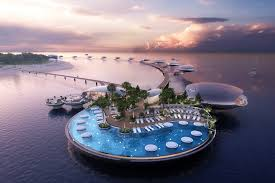
Tourism remains one of Egypt’s most vital economic pillars. The new $1bn development is expected to significantly boost visitor numbers while also strengthening the local economy. Large-scale projects of this nature typically generate thousands of direct and indirect jobs, from construction workers and engineers to hospitality staff and service providers.
Creating Jobs and Empowering Communities
One of the most impactful aspects of the Red Sea development is its potential to create employment opportunities for local communities. During the construction phase, a wide range of professionals—from architects to skilled laborers—will be required. Once operational, the hotels and marina will need trained staff across departments including guest services, maintenance, food and beverage, and marine operations.
Beyond job creation, the project is likely to stimulate small businesses in surrounding areas. Local suppliers, tour operators, artisans, and transportation services stand to benefit from increased visitor activity. This ripple effect ensures that the economic gains extend far beyond the project site itself.
Attracting International Investment
The scale and ambition of the project send a strong message to international investors: Egypt is open for business and ready to compete globally. Large infrastructure initiatives help build investor confidence, demonstrating stability, long-term planning, and growth potential.
With global tourism gradually rebounding and travelers seeking unique coastal destinations, the timing aligns with broader market trends. Egypt’s strategic location—connecting Europe, the Middle East, and Africa makes it an attractive base for international tourism operators and hospitality brands.
Red Sea: A Natural Treasure with Global Appeal
The Red Sea is often described as one of the world’s most spectacular marine environments. Its coral reefs are among the most diverse and resilient globally, making it a hotspot for diving and snorkeling enthusiasts. The warm climate ensures year-round appeal, attracting tourists escaping colder regions during winter months.
Sustainable Development at the Forefront
As tourism development expands, sustainability becomes increasingly important. Modern projects of this scale typically integrate environmentally conscious practices such as renewable energy solutions, efficient water management systems, and eco-friendly building materials.
Protecting the Red Sea’s delicate ecosystem is crucial. Coral reefs and marine life are not only environmental treasures but also core attractions that draw visitors. By embedding sustainability into the design and operations of the marina and hotels, Egypt can balance economic growth with environmental preservation.
Sustainable tourism is no longer optional—it is expected. Travelers today are more aware of their environmental footprint and are drawn to destinations that demonstrate responsibility. By prioritizing green practices, the new development can appeal to this evolving audience.
Strengthening Egypt’s Position in Global Tourism
Egypt has long been synonymous with ancient history, iconic pyramids, and the Nile River. However, its coastal tourism potential has steadily gained prominence over the past two decades. Red Sea resorts such as Hurghada and Sharm El-Sheikh have already established international reputations.
The new $1bn marina and hotel project builds upon this foundation, signaling Egypt’s determination to diversify and modernize its tourism offerings. By expanding luxury coastal infrastructure, the country moves beyond traditional sightseeing tourism and into high-end experiential travel.
Competing with Regional Destinations
The Middle East and North Africa region has witnessed a surge in mega tourism projects in recent years. Countries across the region are investing heavily in waterfront developments, luxury resorts, and entertainment hubs. Egypt’s Red Sea project positions it strongly within this competitive landscape.
What sets Egypt apart is its unique blend of natural beauty, cultural heritage, and strategic geography. Few destinations can offer world-class diving in the morning and a journey through ancient history in the afternoon. The marina and hotel development enhances this multi-dimensional appeal.
Infrastructure and Connectivity Improvements
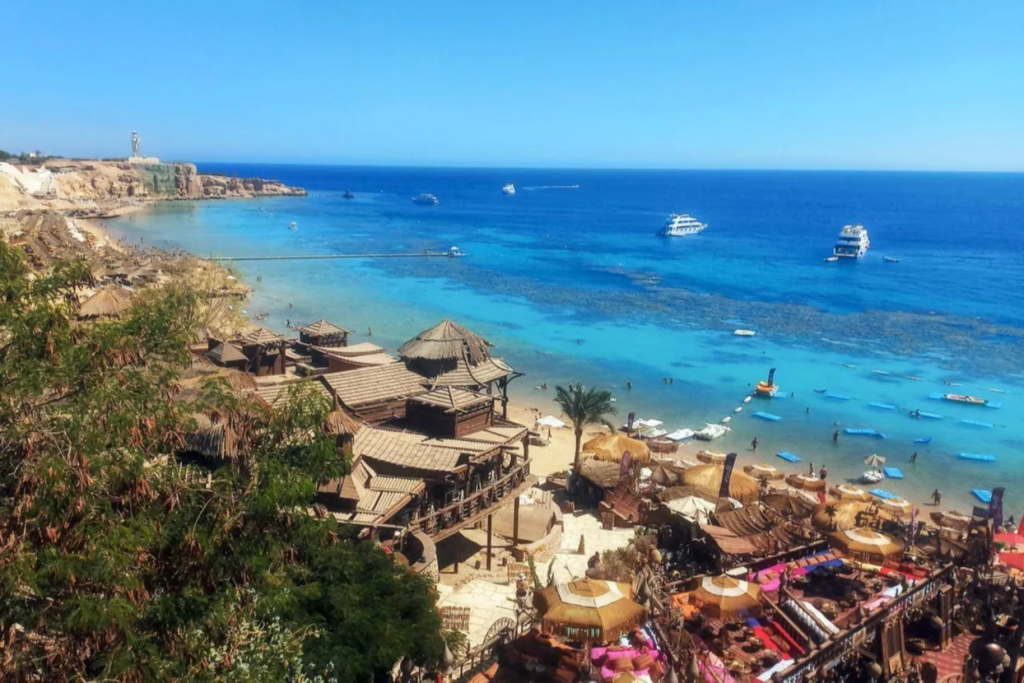
Large-scale tourism developments often go hand-in-hand with improved infrastructure. Roads, airports, utilities, and public services are typically upgraded to support increased visitor traffic. These enhancements not only benefit tourists but also improve quality of life for residents.
Better connectivity means easier access to the Red Sea region from major international markets. Enhanced transport links can significantly increase tourist arrivals, particularly from Europe and the Gulf region. As accessibility improves, Egypt’s Red Sea coastline becomes even more attractive for repeat visitors and new markets alike.
A Long-Term Investment in the Future
The $1bn Red Sea marina and hotel development is not just about immediate economic gains—it is a long-term investment in Egypt’s future. Tourism projects of this magnitude often shape the identity of a destination for decades to come.
By carefully planning the project and aligning it with global hospitality trends, Egypt is laying the groundwork for sustainable growth. The development reflects confidence in the country’s tourism potential and its ability to deliver high-quality experiences that meet international standards.
For travelers, the project promises new luxury escapes and unforgettable seaside moments. For investors, it represents opportunity and growth. For local communities, it offers employment and economic empowerment.
As Egypt moves forward with its ambitious Red Sea plans, the world will be watching. If executed successfully, this $1 billion development could redefine the country’s coastal tourism landscape and strengthen its position as one of the region’s most dynamic and inspiring destinations.
Do Follow Gulf Magazine on Instagram
Read More:- PIF Raises Urgent Alarm Over Saudi Manufacturing Delays 2026

