

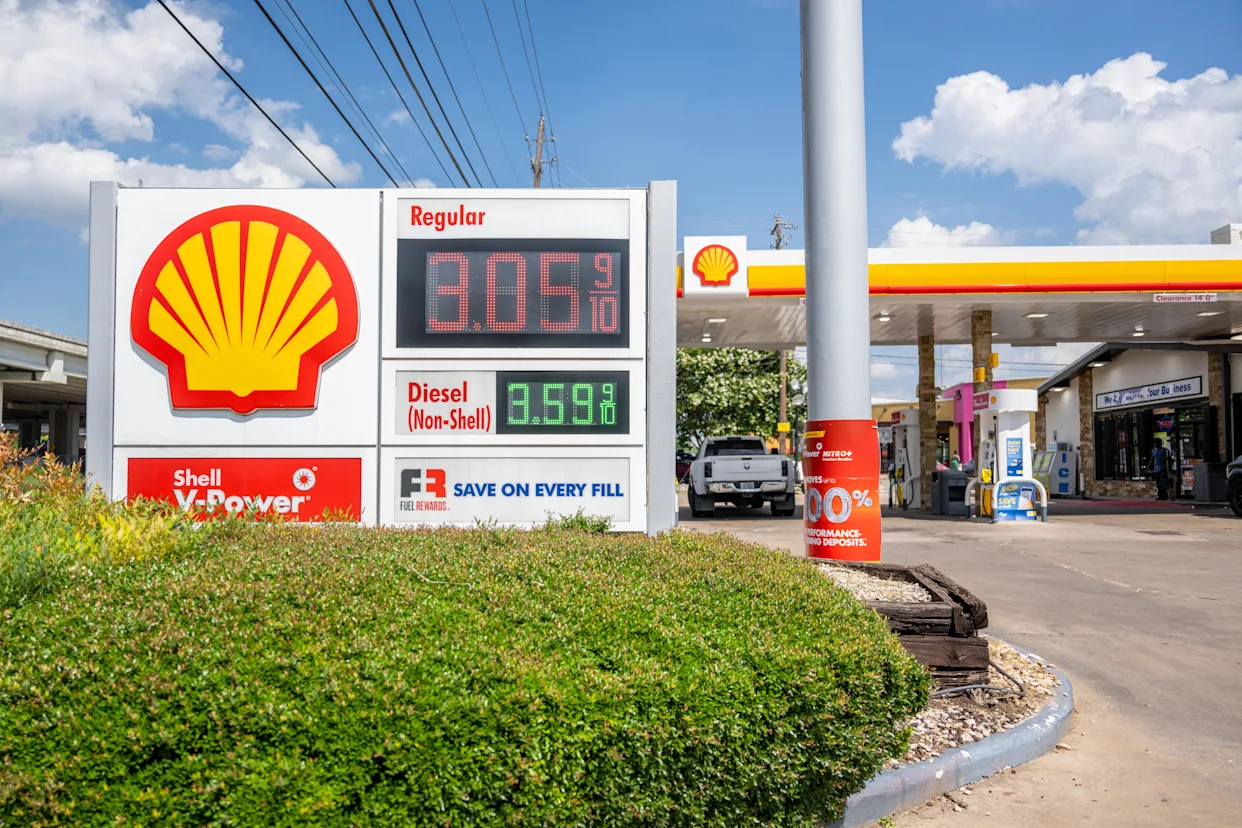
Gulf Coast gas prices have slightly declined compared to last week, offering drivers across the region a small but welcome break at the pump. While the drop may not seem dramatic, even a few cents per gallon can make a difference for families, commuters, and businesses that depend heavily on fuel.
From Texas to Louisiana, Mississippi, Alabama, and parts of Florida, drivers are noticing a subtle change in prices displayed at local gas stations. The latest data shows that average gasoline prices in the Gulf Coast region have dipped by a few cents per gallon over the past seven days. This marks a modest but positive shift after weeks of minor fluctuations.
In this article, we’ll break down how much prices have changed, what is driving the decline, and what it could mean for drivers in the coming weeks.
How Much Did Gulf Coast Gas Prices Decline?
Over the past week, Gulf Coast gas prices declined by an average of 3 to 6 cents per gallon, depending on the state and city. While the exact numbers vary from one location to another, most metro areas in the region saw at least a slight drop.
Here is a general overview of the weekly change:
- Texas: Down by around 4 cents per gallon
- Louisiana: Down by about 3 to 5 cents per gallon
- Mississippi: Down roughly 4 cents per gallon
- Alabama: Down close to 3 cents per gallon
- Florida Panhandle (Gulf Coast areas): Down approximately 4 to 6 cents per gallon
For a driver filling up a 15-gallon tank, this means saving around 45 to 90 cents compared to last week. While that may not sound like much, over time these small savings can add up, especially for those who drive long distances daily.
Why Gulf Coast Gas Prices Are Slightly Lower
Several factors contributed to the recent dip in Gulf Coast gas prices. The change is not due to a single reason but rather a combination of local, national, and global influences.
Stable Crude Oil Prices
Crude oil is the main ingredient in gasoline. When oil prices stabilize or decrease, gas prices often follow. Over the past week, crude oil prices have remained relatively steady, with minor declines in some trading sessions. This has helped ease pressure on retail gasoline prices.
Because the Gulf Coast is home to many refineries, changes in crude oil prices can quickly impact the region. Stable oil markets have played a key role in this week’s decline.
Strong Refinery Production
The Gulf Coast region houses some of the largest oil refineries in the United States. When refineries operate at high capacity, fuel supply increases. A healthy supply often helps prevent price spikes.
Recently, refinery output in the region has remained strong, with no major outages or weather disruptions reported. This steady production has helped keep Gulf Coast gas prices from rising and even supported a slight drop.
Seasonal Demand Patterns
Gasoline demand can vary depending on the season. While summer usually sees higher demand due to travel, certain weeks may experience a slowdown in consumption. A slight decrease in demand can reduce upward pressure on prices.
If fewer drivers are on the road compared to peak travel periods, fuel retailers may adjust prices downward to remain competitive.
Competitive Local Markets
In many Gulf Coast cities, gas stations compete closely with each other. When one station lowers its price, others often follow to attract customers. This competition can create small but noticeable weekly declines.
How the Gulf Coast Compares to the National Average
Gulf Coast gas prices are often lower than the national average. This is mainly because of the region’s strong refining capacity and proximity to oil production sites.
This week’s slight decline has kept Gulf Coast prices below the U.S. average in many areas. Drivers in Gulf Coast states are, in general, paying less per gallon than drivers in some other parts of the country, particularly in the West Coast and Northeast.
The price difference can range from 10 to 40 cents per gallon, depending on location. This price advantage makes the Gulf Coast one of the more affordable regions for gasoline in the United States.
Impact on Households and Businesses
Even a small drop in Gulf Coast gas prices can have broader effects on local communities.
Relief for Families
For households managing tight budgets, fuel costs are a regular expense. A few cents saved per gallon may not seem dramatic, but for families with multiple vehicles or long commutes, the savings add up over time.
Lower gas prices can also free up money for other necessities, such as groceries, utilities, or school supplies.
Benefits for Small Businesses
Small businesses that rely on transportation—such as delivery services, construction companies, and contractors—benefit from lower fuel costs. Reduced expenses can improve profit margins or allow businesses to keep service prices stable for customers.
Support for the Travel Industry
The Gulf Coast is a popular tourist destination, known for its beaches, seafood, and vibrant culture. Slightly lower gas prices can encourage more road trips and regional travel, especially for families driving from nearby states.
While this week’s decline is modest, it still sends a positive signal for travelers planning short trips.
Could Gulf Coast Gas Prices Drop Further?
Many drivers are asking whether this decline is the start of a longer trend. The answer depends on several key factors.
Oil Market Volatility
Crude oil markets can change quickly due to global events, production decisions by oil-exporting countries, and economic data. If oil prices remain stable or decrease further, Gulf Coast gas prices could continue to edge lower.
However, any unexpected disruption—such as geopolitical tensions or production cuts—could reverse the trend.
Hurricane Season Risks
The Gulf Coast region is vulnerable to hurricanes. Severe storms can disrupt refinery operations, offshore drilling, and fuel distribution. When this happens, gas prices often rise.
As long as weather conditions remain calm and refineries operate normally, prices are more likely to stay steady or decline slightly.
Domestic Supply and Demand
National inventory levels also play a role. If gasoline supplies remain strong and demand does not spike, prices may stay under control.
On the other hand, a sudden increase in travel or industrial activity could increase demand and push prices higher again.
What Drivers Can Do to Save More
Even though Gulf Coast gas prices have dipped slightly, drivers can take extra steps to maximize savings.
Here are a few simple tips:
- Compare prices using mobile apps or local listings
- Fill up early in the week, when prices sometimes trend lower
- Keep tires properly inflated to improve fuel efficiency
- Avoid aggressive driving, which consumes more fuel
- Consider joining gas station rewards programs
Small changes in driving habits and shopping behavior can amplify the benefits of lower prices.
Long-Term Outlook for Gulf Coast Gas Prices
Looking beyond this week, experts suggest that gas prices in the Gulf Coast region may continue to experience small fluctuations rather than dramatic swings—unless there is a major market disruption.
The region’s strong refining infrastructure provides some stability. However, global oil markets remain unpredictable. Economic conditions, international policies, and seasonal demand will all influence future price movements.
For now, the current decline offers a moment of cautious optimism for drivers.
Why Even a Small Decline Matters
It is easy to overlook a 3- to 6-cent drop per gallon. However, gasoline prices affect more than just individual drivers. Fuel costs influence transportation, shipping, food prices, and even airfare.
When Gulf Coast gas prices decline—even slightly—it can help ease inflationary pressure in related industries. While one week of lower prices does not guarantee a lasting trend, it does provide short-term relief.
For many households, that relief is meaningful.
Community Reactions Across the Region
Drivers across the Gulf Coast have shared mixed reactions to the recent dip. Some are pleased to see any decrease at all, especially after periods of steady increases. Others feel the change is too small to make a significant impact.
In urban areas, where daily commuting is common, drivers appreciate even minor savings. In rural parts of the Gulf Coast, where residents often travel longer distances, lower prices can have a more noticeable effect on weekly budgets.
Overall, the response has been cautiously positive.
Conclusion
Gulf Coast gas prices have declined slightly from last week, dropping by an average of 3 to 6 cents per gallon across much of the region. While the change is modest, it provides small but meaningful relief for drivers, families, and businesses.
Stable crude oil prices, strong refinery output, and balanced supply and demand have contributed to this week’s decline. Compared to the national average, Gulf Coast drivers continue to benefit from relatively lower prices.
Whether this trend continues will depend on oil markets, weather conditions, and overall demand. For now, drivers can enjoy a bit of breathing room at the pump.
As always, staying informed and monitoring local prices can help consumers make the most of these changes. Even a slight dip in Gulf Coast gas prices is a reminder that fuel markets are constantly shifting—and every cent counts.
Do follow her on Instagram.
Also Read – Gulf Financial Hubs Driving Investment and Innovation Growth

