

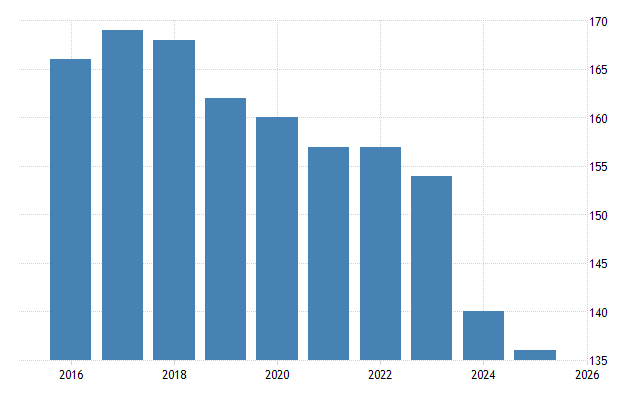
Iraq ranks 136th in 2025 corruption index, revealing a harsh reality about the extent of corruption in the country despite some modest improvements. According to the latest Corruption Perceptions Index (CPI) 2025 published by Transparency International, Iraq’s standing among 182 countries remains low, with a score of 28 out of 100 — a slight gain from previous years but still a troubling outcome for a nation long struggling with corruption.
This article explores what this ranking means, why Iraq continues to grapple with corruption, how it compares with other countries, and what reforms might help improve transparency, accountability, and public trust.
What is the Corruption Perceptions Index?
The Corruption Perceptions Index is an annual ranking compiled by Transparency International that measures perceived levels of public sector corruption in countries around the world. Countries are scored on a scale from 0 (highly corrupt) to 100 (very clean). A lower score means higher perceived corruption, while higher scores reflect stronger transparency and accountability.
The CPI draws on data from 13 independent expert sources, including the World Bank, World Economic Forum, and other respected institutions. These sources reflect the views of business leaders, analysts, and country experts about how widespread corruption is in government institutions, legal systems, and public services.
Iraq ranks 136th in 2025 corruption index: key facts
Iraq ranks 136th in 2025 corruption index, based on the CPI released in early February 2026. This places the country near the bottom of the global rankings, indicating severe confidence issues in government transparency.
Here are the key headline figures:
- Iraq scored 28 out of 100 in the CPI 2025 — its highest score on record, but still very low by international standards.
- The country’s global rank of 136th out of 182 countries shows ongoing challenges.
- Compared to Iraq’s CPI scores in the past decade, this reflects steady but slow progress.
- Denmark, Finland, Singapore, and New Zealand are among the highest‑ranked countries, highlighting broad global gaps in corruption control.
Despite the modest rise in score, Iraq’s ranking indicates that corruption remains pervasive in public institutions and widely felt across government sectors.
Why Iraq’s ranking matters
Iraq’s position in the CPI is more than just a number; it reflects deep structural and institutional issues that affect everyday life for Iraqis. The country’s ranking impacts:
Public trust and social stability
A low corruption score undermines public trust in government, justice systems, and public services. When citizens believe corruption is widespread, they may lose confidence in democratic processes and institutions — a situation that can foster civic unrest, apathy, or disengagement.
Foreign investment and economic growth
Investors often view corruption as a major risk that can increase costs, skew competition, and threaten contract enforcement. Iraq’s low CPI ranking can discourage international business, slowing economic recovery and limiting job creation.
Access to global aid and partnerships
Many international donors and partners include corruption control as a criterion for cooperation or funding. A low ranking can create barriers to accessing development aid or financing, especially for critical sectors like health, education, and infrastructure.
The reality of corruption in Iraq
Understanding why Iraq ranks 136th in the 2025 corruption index requires looking at both historical context and current realities.
Long‑standing corruption issues
Corruption in Iraq predates the country’s recent political upheavals. After decades of centralized power, conflict, and weak governance structures, systems for transparency were fragile and easily manipulated. This has resulted in widespread graft in areas such as public procurement, oil revenues, state contracts, and financial oversight.
Oil wealth and weak accountability
Iraq’s economy is heavily dependent on oil — which accounts for over 90% of government revenue. Without strong accountability systems in place, oil wealth has often been diverted through corrupt networks rather than used for public services like education, health, and infrastructure. Analysts estimate billions have been lost over the years due to corruption and mismanagement.
Institutional obstacles
Despite reforms, many Iraqi institutions — including judiciary and anti‑corruption bodies — still lack full independence, adequate funding, or political support to enforce anti‑corruption laws effectively.
Public perception
Perception matters. Even when formal structures exist, if business leaders or citizens believe corruption is widespread, a country’s CPI score reflects this lack of confidence.
Improvements and positive signs
While Iraq ranks 136th in 2025 corruption index, the score of 28 — its highest ever — suggests progress is possible.
Anti‑corruption reforms
Iraq has taken steps to strengthen anti‑corruption efforts, including:
- Establishing and empowering anti‑graft agencies.
- Increasing transparency in public budgeting and contracting.
- Digitizing systems to reduce human intervention and opportunity for bribery.
These reforms contributed to Iraq’s gradual CPI improvement from a low of around 13 points in the early 2000s to the current score of 28.
International collaboration
Iraq’s cooperation with international partners, including Transparency International and the World Bank, helps build frameworks for better governance.
How Iraq compares regionally and globally
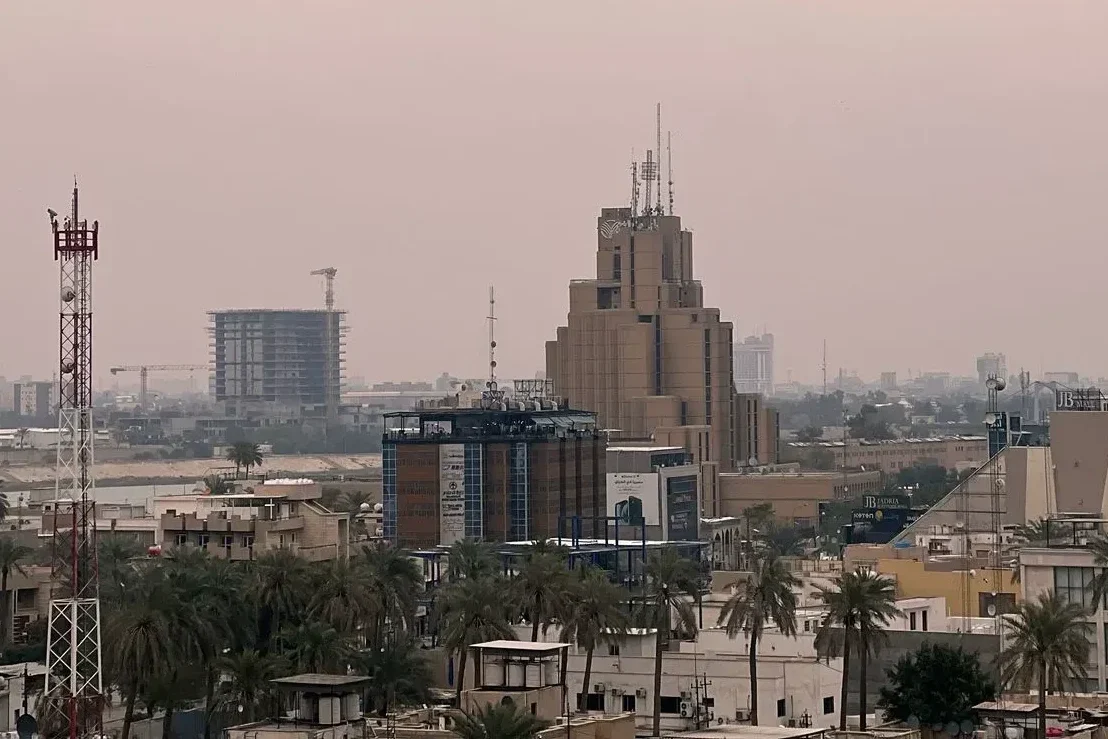
Iraq’s CPI ranking places it among countries with significant corruption challenges — but it’s not alone.
Arab and Middle East context
In the Middle East and North Africa region, several countries struggle with low CPI scores. For example:
- Yemen, Libya, Syria, and Sudan consistently rank near the bottom of global transparency standings.
- Highest regional scorers, such as the United Arab Emirates, Qatar, and Saudi Arabia, still sit far behind average global performers.
This regional context shows systemic governance challenges that go beyond national boundaries.
Global comparisons
While some countries like Denmark, Finland, and New Zealand regularly achieve high CPI scores, many nations across Africa, Asia, and the Americas still struggle to control corruption. Iraq’s rank near the bottom underlines the need for strong policy and institutional reform.
What needs to happen next
Improving Iraq’s CPI score — and more importantly, reducing corruption in reality — will require sustained effort from multiple fronts.
Strengthening institutions
Independent courts, anti‑corruption agencies with real authority, and transparent government operations are essential to reduce impunity and close corruption loopholes.
Rule of law and accountability
Ensuring that laws are enforced consistently, and high‑level corruption cases are prosecuted without bias is critical to lowering perceptions of impunity.
Public engagement
Civil society, media, and citizen oversight can play a powerful role in transparency. Laws protecting journalistic freedom and whistleblowers should be enforced.
Economic diversification
Reducing dependence on oil and increasing economic diversification can support more transparent markets and reduce rent‑seeking behaviour.
Conclusion
Iraq ranks 136th in 2025 corruption index, and while this position marks a modest improvement over previous years, it still highlights profound governance challenges that affect citizens’ daily lives, economic prospects, and trust in public institutions.
Tackling corruption will require long‑term commitment from Iraqi leaders, public institutions, civil society, and international partners alike. Only with coordinated reform and transparent governance can Iraq hope to climb the global rankings and build a more accountable, equitable future for its people.
Do follow Gulf Magazine on Instagram
Also Read – Smart Travel Platforms Handle 70 Percent of Gulf Bookings with AI Features

