

Emirates Mobility Platform marks a transformative shift in how the UAE thinks about transportation, tech, and mobility services. What began as a leading driving school — the Emirates Driving Company (EDC) — is now evolving into a forward‑looking, integrated mobility platform that taps into broader transport, sustainability, and technology trends. This strategic move signals a new era in the UAE’s drive toward smarter, greener, and more connected communities.
In this article, we explore the background of the Emirates Mobility Platform initiative, what it means for the future of transportation in Abu Dhabi and the UAE, and why this transition matters to citizens, investors, and businesses alike.
From Driver Training to a Mobility Powerhouse
For more than two decades, the Emirates Driving Company has been known as Abu Dhabi’s foremost destination for driver training and road‑safety education. Established in 2000, EDC has played a crucial role in training learners, improving road safety, and supporting the emirate’s licensing needs. But recent developments show that EDC’s role is growing far beyond traditional driving instruction.
The company is now in the midst of restructuring into what it calls the Emirates Mobility Platform — a new identity and strategic direction that positions it as a broader mobility solutions provider. This is not just a branding change, but a complete evolution of scope: from operating driving lessons to managing a portfolio of mobility‑related businesses and technologies.
Why the Change Matters
Several key forces explain why EDC is making such a significant transition:
1. Alignment With National & Regional Vision
The UAE has been steadily promoting smart city initiatives, innovation, and sustainability as core pillars of its national economic and social strategy. Sectors like mobility, transport tech, and sustainable infrastructure are key contributors to this vision — and EDC’s move toward a mobility platform dovetails with these broader priorities.
Rather than merely teaching people how to drive, EDC now has the opportunity to influence how people and goods move across entire urban systems in ways that are efficient, environmentally friendly, and future‑ready.
2. Strong Strategic Investments
One of the most tangible signs of this shift is EDC’s strategic investment in established transport and mobility businesses. For example, the company has acquired a 22.5% stake in Mwasalat Holding, a major UAE transport provider — with an option to increase that share to a controlling 50.6%. Mwasalat has a large fleet of buses, taxis, and rental vehicles and provides essential public transport services across the Emirates.
Such investments expand EDC’s footprint well beyond driver training and place it in the heart of transport operations, planning, and service delivery. That’s a huge evolution for a company once focused mainly on individual learners.
3. Broader Asset Portfolio Under One Roof
The Emirates Mobility Platform is being designed as a governance and oversight platform that oversees multiple transport‑oriented assets. This could include everything from ride‑hailing and public fleet operations to electric vehicle (EV) infrastructure, logistics technology, and transport investments.
By consolidating these capabilities, the platform aims to improve capital efficiency, technology integration, and long‑term value for shareholders and users alike.
What the New Platform Envisages
The Emirates Mobility Platform is more than just a holding company — it’s a foundation for building interconnected transport solutions. Below are some of the key areas it is expected to develop and influence:
Smart Public Transport
With its stake in Mwasalat, Emirates Mobility Platform positions itself as a strong player in public transport. This includes bus networks, taxi services, and other fleet‑based transport solutions. By leveraging digital platforms, data analytics, and operational expertise, the platform can enhance service delivery, expand coverage, and improve efficiency.
Electric and Sustainable Mobility
Environmental sustainability is a growing priority in the UAE — and mobility plays a central role. Through broader participation in EV solutions, charging infrastructure, and carbon‑reducing technologies, the platform can help drive the transition to greener transport systems.
Sustainability isn’t new to EDC itself: the company has already explored initiatives like eco‑friendly driving programs that promote climate‑friendly training experiences, signaling its commitment to reducing emissions across the sector.
Technology and Innovation Integration
The Emirates Mobility Platform is set to incorporate new tech at multiple levels. This includes digital applications, AI‑driven transport planning, autonomous systems, and more intuitive mobility services.
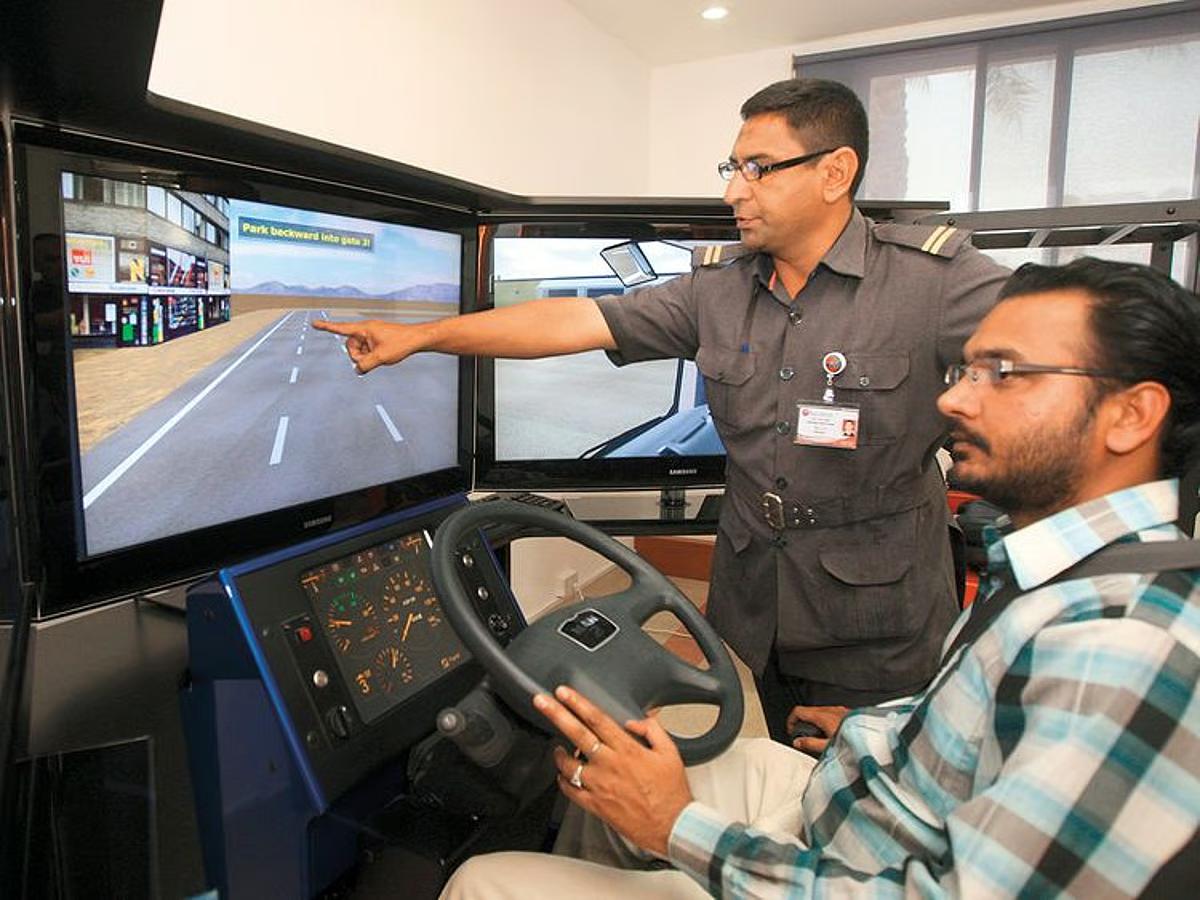
Investments in tech tools like smart yards, advanced driver training systems, and digital customer platforms showcase how deeply technology will be embedded in future operations.
Connected Communities and Services
Mobility isn’t just about vehicles — it’s about how people connect to work, school, healthcare, and each other. The platform’s vision includes improving first‑mile/last‑mile connectivity, multimodal transport systems, and seamless transitions between different services.
This could lead to innovations such as shared mobility, on‑demand transport, and integrated route planning that considers real‑time conditions.
Leaders Speak: Vision and Ambition
Executives and leadership teams behind the transition see the move as strategic and forward‑looking.
Samia Bouazza, Group CEO of the major shareholder 2PointZero Group, described the shift as a key step in building scalable platforms that can consolidate assets, improve capital efficiency, and generate long‑term returns.
Meanwhile, Khaled Al Shemeili, CEO of Emirates Driving Company, spoke about this transition as a “new chapter” that broadens the company’s mission from simply instructing drivers to shaping how mobility works across the UAE. He noted that the aim is for the Emirates Mobility Platform to become a leading destination for future mobility solutions, supported by a well‑defined strategy and innovative operating models.
How the Shift Benefits UAE Residents
More Efficient Transport Options
As the platform grows, individuals may benefit from more integrated transportation options. These could include faster travel times, better connections, and services that bridge gaps in current transport networks.
Enhanced Safety and Skills
Thanks to EDC’s legacy in driver education and road safety, safety will remain a key priority. Modern driver training and safe transport services feed into broader public safety goals across the UAE.
Job Creation and Economic Growth
Investing in mobility infrastructure, technology, and services helps create jobs — from engineers and tech developers to operational staff in fleet services.
It also supports Abu Dhabi’s overarching economic agenda, which emphasizes diversification, innovation, and sustainable development.
Challenges and the Road Ahead
No major strategic transformation is without challenges. Emirates Mobility Platform will need to:
- Coordinate across multiple industries and regulatory frameworks.
- Balance shareholder expectations with long‑term investment in infrastructure.
- Compete with global mobility and tech players entering the UAE market.
By focusing on innovation, partnerships, and sustainability, the platform is well positioned to address these challenges head‑on.
Conclusion: A New Mobility Era
The launch of the Emirates Mobility Platform represents a bold and ambitious step not just for EDC — but for the future of transportation in Abu Dhabi and the UAE. From its roots as a driver training school to its evolution into a broad‑based mobility ecosystem leader, EDC’s journey reflects the dynamic changes occurring across transport, technology, and smart infrastructure.
This transition will likely shape how people and goods move in the region for years to come — with greater efficiency, smarter technology, and enhanced connectivity at its core. The success of the Emirates Mobility Platform could become a model for other markets aiming to integrate transport with digital innovation and sustainability goals.
Do follow Gulf Magazine on Instagram
Also Read – Juhayna Partners with Saudi Al Rashed: 5 Powerful Growth Wins

