

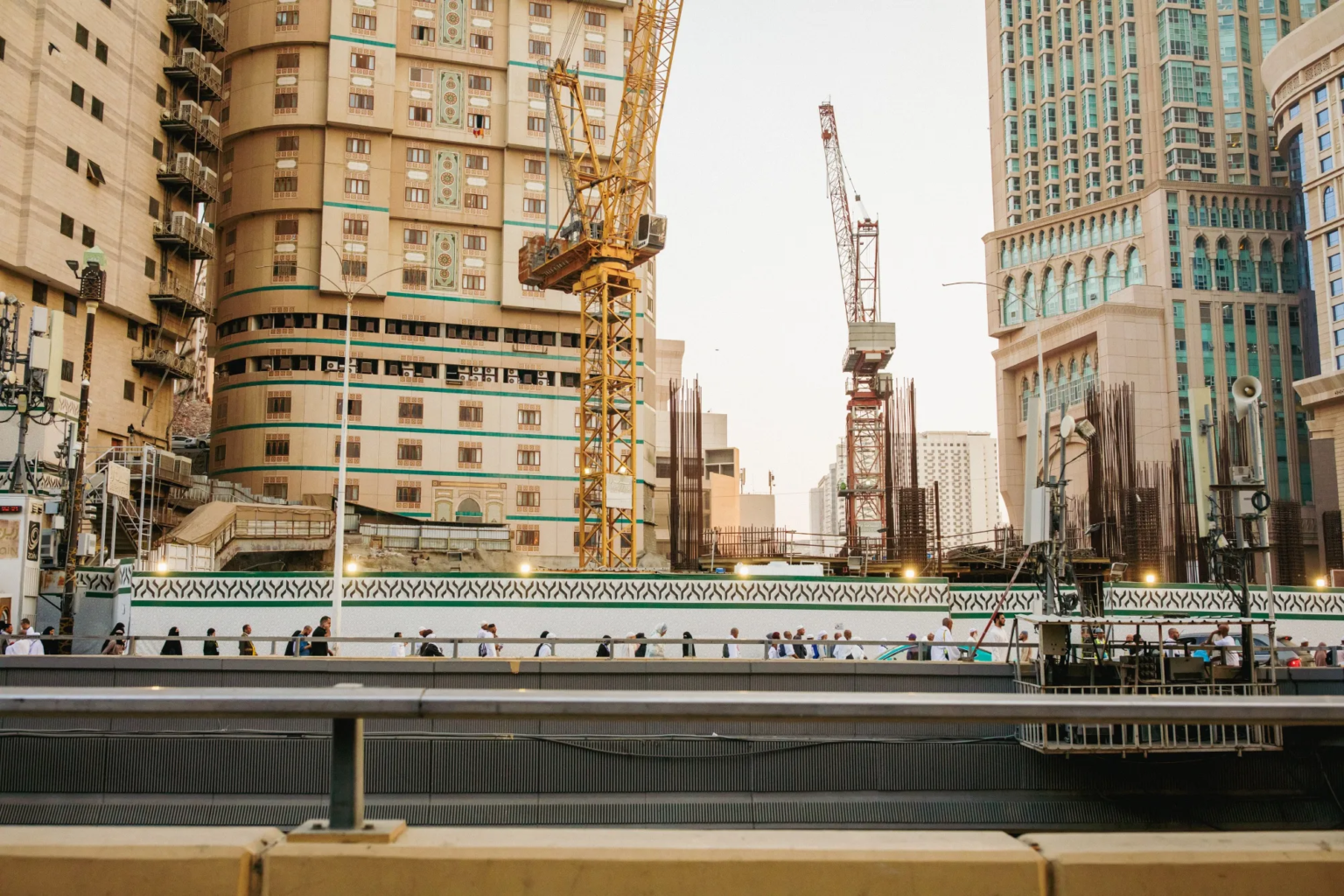
For centuries, Mecca has stood not only as the spiritual heart of Islam but also as one of the most tightly controlled real estate markets in the world. Property ownership rules, religious sensitivities, and strict regulations meant that investment opportunities were largely limited to local or regional players. Now, under the leadership of Crown Prince Mohammed bin Salman, that reality is beginning to change.
Saudi Arabia’s ambitious reform agenda is pushing the boundaries of what was once considered impossible. The Crown Prince’s massive $100 billion development strategy aims to modernize infrastructure, expand hospitality capacity, and gradually open Mecca’s property sector to international capital. This move is not simply about real estate it represents a broader transformation of the kingdom’s economy and global positioning.
The shift reflects a careful balancing act: preserving religious sanctity while embracing economic modernization. For investors worldwide, it signals the emergence of one of the last untapped ultra-prime property markets on the planet.
Vision 2030 and the Economic Transformation
Diversifying Beyond Oil
Saudi Arabia’s economic roadmap, widely known as Vision 2030, is designed to reduce reliance on oil revenues while building sustainable sectors like tourism, infrastructure, and real estate. Mecca plays a central role in this vision because it already attracts millions of pilgrims annually, ensuring consistent demand for accommodation, transport, and services.
Opening the city’s property market to global investors aligns with this strategy. By attracting foreign capital, the government hopes to accelerate development, improve urban planning, and raise the quality of hospitality offerings for pilgrims.
This transformation is also expected to generate thousands of jobs, support local businesses, and stimulate construction activity across the region. In many ways, Mecca’s redevelopment could become one of the most visible symbols of Saudi Arabia’s economic reinvention.
Infrastructure at Unprecedented Scale
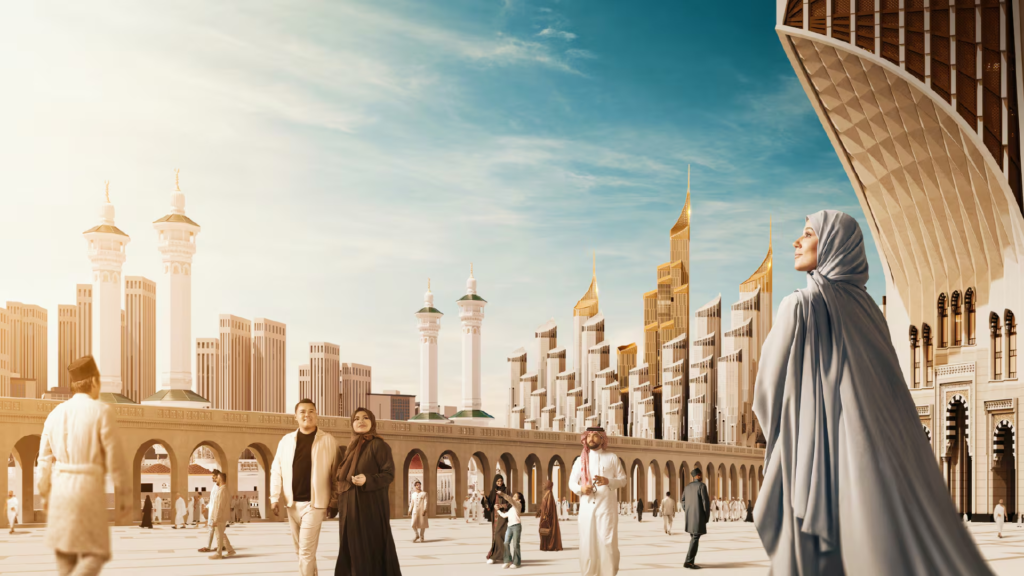
The $100 billion plan is not limited to property transactions. It includes large-scale transportation networks, high-speed rail links, advanced metro systems, and expanded airports. These developments aim to ensure that the city can accommodate growing numbers of pilgrims safely and comfortably.
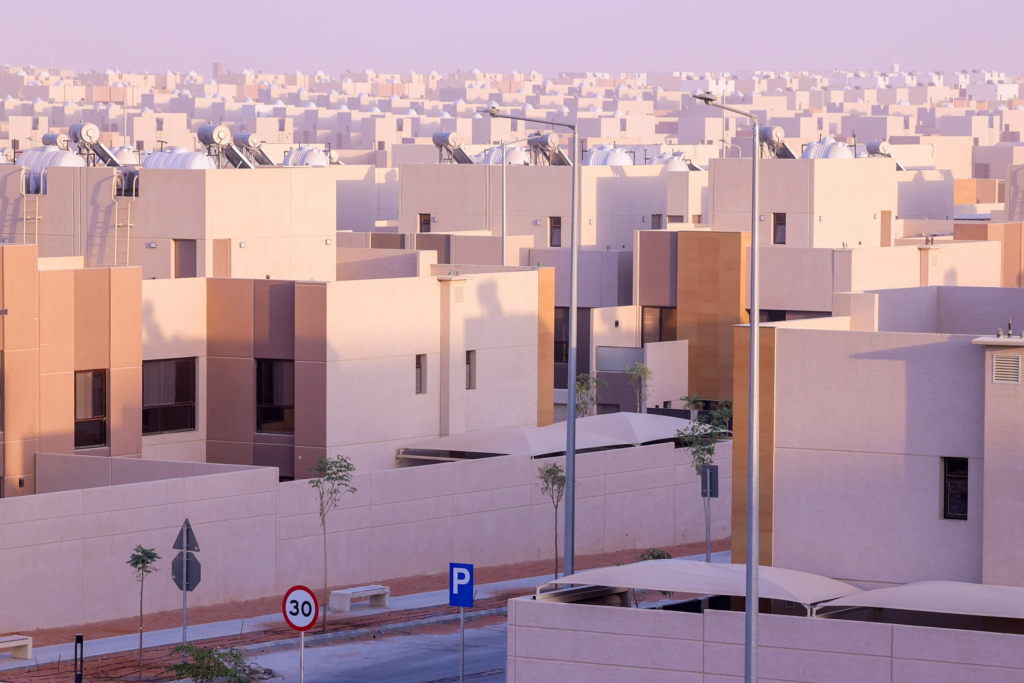
New residential districts, smart urban zones, and mixed-use developments are being designed with modern sustainability standards. This reflects Saudi Arabia’s broader ambition to position itself as a global hub for innovation and tourism.
Why Mecca’s Property Market Matters Globally
A Unique Demand Profile
Unlike typical real estate destinations, Mecca enjoys guaranteed annual demand due to the Hajj and Umrah pilgrimages. Millions of Muslims travel to the city each year, creating one of the most stable hospitality-driven property markets in the world.
Hotels, serviced apartments, retail spaces, and logistics infrastructure are all directly linked to pilgrimage flows. This means investors are not relying on speculative growth but on a deeply rooted and predictable demand cycle.
The introduction of international capital could therefore bring greater liquidity, improved standards, and long-term stability to the sector. For global property funds, Mecca represents a rare opportunity: a market with strong cultural relevance, consistent demand, and government-backed expansion.
Strategic Global Positioning
Saudi Arabia is positioning itself as a gateway between Asia, Africa, and Europe. Opening Mecca’s real estate market strengthens this ambition by attracting multinational developers, construction firms, and financial institutions.
The move also enhances the country’s reputation as a destination for foreign direct investment. Over time, this could encourage global companies to establish regional headquarters in the kingdom, further boosting economic diversification.
Balancing Modernization With Religious Sensitivity
Preserving Sacred Heritage
Despite the economic potential, authorities remain deeply aware that Mecca’s spiritual significance must never be overshadowed by commercial interests. Any development within the city is subject to strict guidelines designed to protect its religious character.
Urban expansion plans are being carefully reviewed to ensure that historical sites and sacred landmarks remain respected and accessible. This approach seeks to reassure Muslims worldwide that modernization will not compromise the city’s sanctity.
The government’s messaging consistently emphasizes that the purpose of investment is to improve the pilgrim experience rather than to commercialize the holy city.
Cultural Diplomacy Through Development
Opening Mecca’s property market is also a form of cultural diplomacy. By welcoming international investors, Saudi Arabia is signaling a willingness to engage more openly with the global economy while still maintaining its religious identity.
This careful positioning allows the kingdom to attract global attention without alienating conservative audiences. It demonstrates that economic reform and cultural preservation can coexist when handled thoughtfully.
Opportunities for Investors
Hospitality and Pilgrim Services
The hospitality sector is expected to be the primary beneficiary of foreign investment. Luxury hotels, mid-range accommodations, and budget lodging all face growing demand as pilgrimage numbers rise.
Developers specializing in mixed-use projects could also find strong opportunities, especially in districts designed to integrate retail, dining, and transport facilities with accommodation.
Technology-driven services such as smart booking systems, digital navigation tools, and crowd management solutions are likely to become important components of future developments.
Long-Term Value Growth
Because land availability near the holy sites is limited, property values in Mecca tend to appreciate over time. This scarcity factor makes investment particularly attractive for institutional funds seeking stable, long-term returns.
The government’s infrastructure commitments further strengthen investor confidence by reducing logistical barriers and improving connectivity.
Challenges Ahead
Regulatory Complexity
Opening Mecca’s property market to global investors will require careful regulatory frameworks. Ownership rules, religious considerations, and governance standards must be clearly defined to prevent confusion or speculation.
Authorities are expected to introduce phased reforms, allowing gradual participation rather than immediate full access. This cautious approach aims to maintain stability while building investor trust.
Managing Urban Density
With millions of pilgrims visiting annually, managing crowd flow and urban density remains a major challenge. Real estate expansion must be paired with transportation planning, safety measures, and environmental considerations.
Smart city technology, vertical development strategies, and improved public transit systems will likely play critical roles in addressing these challenges.
A Defining Moment for Saudi Arabia’s Future
The decision to open Mecca’s property market to global investment represents more than an economic initiative it marks a defining moment in Saudi Arabia’s transformation. Under the leadership of Mohammed bin Salman, the kingdom is attempting to reshape its global image, diversify its economy, and modernize its infrastructure while preserving its cultural and religious foundations.
If executed successfully, this strategy could turn Mecca into one of the most sophisticated religious tourism hubs in the world. It could also serve as a blueprint for how sacred cities can embrace development without losing their identity.
For investors, policymakers, and observers alike, the next decade will reveal whether this ambitious $100 billion vision can truly redefine one of the world’s most revered destinations—and in doing so, transform Saudi Arabia’s place in the global economy.
Do Follow Gulf Magazine on Instagram
Read More:- Saudi Real Estate Takes Bold Green Leap With Carbon Credit Alliance 2026

