

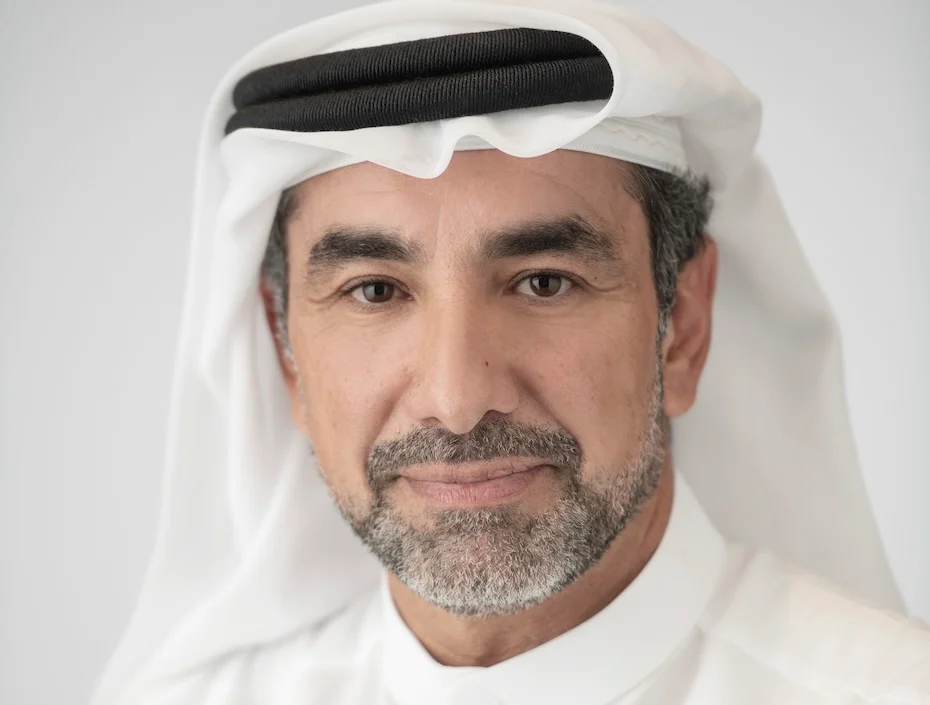
Dubai Exhibition Centre expansion is set to redefine the future of global events as Dubai plans to scale the venue to an enormous 180,000 square meters by 2031. The ambitious project, outlined by Mahir Julfar of Dubai World Trade Centre (DWTC), reflects the emirate’s long-term vision to cement its position as one of the world’s leading destinations for exhibitions, conferences, and mega events.
At the heart of this transformation lies the Dubai Exhibition Centre (DEC), strategically located in Expo City Dubai near Al Maktoum International Airport in Dubai. Once completed, the expanded complex will be among the largest purpose-built indoor exhibition venues in the world, positioning Dubai at the forefront of the global meetings, incentives, conferences, and exhibitions (MICE) industry.
A Vision Built on Growth
The Dubai Exhibition Centre expansion is not just about adding floor space. It represents a strategic investment in the emirate’s future economy. Dubai has long relied on tourism, trade, aviation, and logistics as pillars of growth. The events industry intersects with all these sectors, generating billions in economic activity each year.
According to Mahir Julfar, scaling DEC to 180,000 sqm will allow Dubai to host multiple mega-events simultaneously, something only a handful of cities worldwide can currently achieve. This capability is critical as global exhibitions continue to grow in size and complexity.
Large-scale events today require:
- Massive indoor spaces for exhibitions
- Advanced logistics infrastructure
- Integrated transport links
- Hotels and entertainment nearby
- High-capacity digital connectivity
Dubai already excels in many of these areas. The expansion aims to bring them together in one integrated ecosystem.
Why 180,000 Square Meters Matters
To understand the significance of the Dubai Exhibition Centre expansion, it helps to visualize the scale. At 180,000 sqm of indoor exhibition space, DEC would rival or surpass major venues in cities like Hannover, Shanghai, and Las Vegas.
Such size enables:
- Hosting mega global expos and trade fairs
- Accommodating large conventions with tens of thousands of attendees
- Running multiple major events simultaneously
- Reducing scheduling conflicts
- Attracting industries that require large displays, such as aviation, energy, and technology
Julfar emphasized that demand for large venues is rising rapidly as industries seek immersive experiences rather than simple exhibition booths.
From Expo Legacy to Permanent Asset
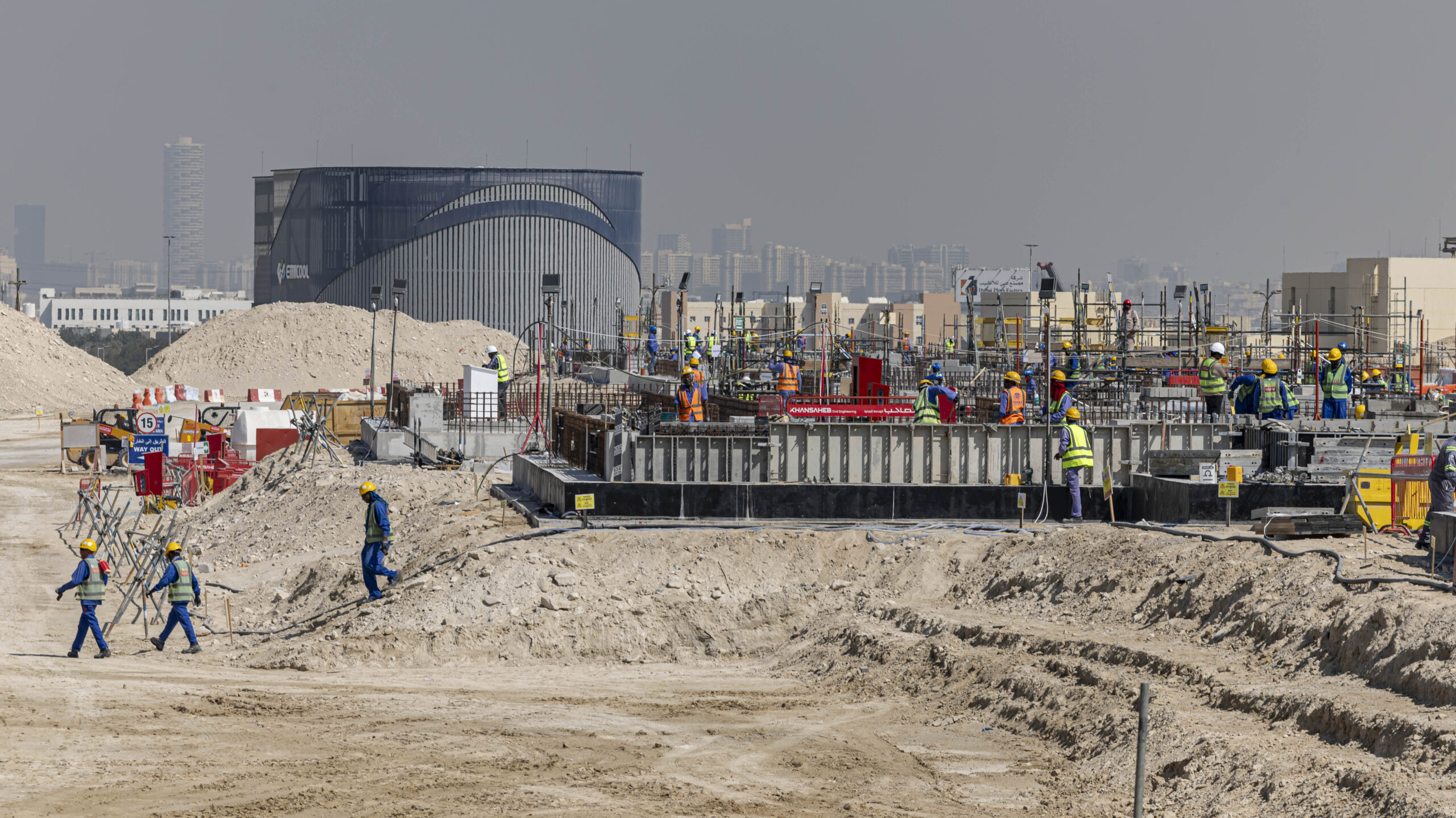
The site’s origins trace back to Expo 2020 Dubai, one of the largest world expos ever held. Rather than dismantling infrastructure after the event, Dubai transformed the area into Expo City Dubai — a permanent hub for innovation, sustainability, and business.
The Dubai Exhibition Centre expansion builds directly on this legacy. Instead of constructing a new venue elsewhere, authorities chose to enhance existing infrastructure, making the project more efficient and sustainable.
This approach delivers several benefits:
- Faster development timelines
- Lower environmental impact
- Immediate integration with existing facilities
- Preservation of Expo’s long-term value
Expo City Dubai itself is evolving into a mixed-use urban district with residential areas, offices, research centers, and cultural attractions — creating a vibrant environment around DEC.
Strategic Location Near a Mega Airport
One of the strongest advantages of the Dubai Exhibition Centre expansion is its proximity to Al Maktoum International Airport, which is planned to become the world’s largest airport in the coming decades.
When fully operational, the airport is expected to handle:
- Up to 260 million passengers annually
- Massive cargo volumes
- Direct connections to major global cities
This creates a powerful synergy between aviation and events. International visitors will be able to travel directly from the airport to the exhibition venue within minutes.
Such convenience is a major factor when organizers choose host cities for global events.
Supporting Dubai’s Economic Diversification
Dubai has been steadily reducing reliance on oil revenues, focusing instead on knowledge-based industries, tourism, finance, logistics, and innovation. The Dubai Exhibition Centre expansion aligns perfectly with this strategy.
Major exhibitions attract:
- International investors
- Corporate leaders
- Government delegations
- Technology innovators
- Entrepreneurs
These interactions often lead to partnerships, investments, and business deals that extend far beyond the duration of the event itself.
Studies show that large trade shows can generate billions in economic impact through direct spending, hospitality, transport, retail, and long-term business activity.
Competing on the Global Stage
The global events industry is intensely competitive. Cities across Europe, Asia, and North America invest heavily in exhibition infrastructure to attract high-profile events.
Dubai’s advantages include:
- Central geographic location between East and West
- World-class airlines and connectivity
- Strong hospitality sector
- Safe and stable environment
- Business-friendly policies
- Advanced infrastructure
The Dubai Exhibition Centre expansion strengthens these advantages by removing capacity limitations that could otherwise push organizers toward rival destinations.
Technology and Smart Infrastructure
Future exhibition venues are not just about physical space. Digital capabilities are becoming equally important.
The expanded DEC is expected to feature:
- High-speed connectivity and 5G integration
- Smart building systems
- AI-driven crowd management
- Hybrid event capabilities
- Advanced audiovisual infrastructure
- Sustainable energy systems
Hybrid events — combining physical attendance with virtual participation — have become a standard expectation since the COVID-19 pandemic. Large venues must now function as broadcast studios as well as exhibition halls.
Sustainability at the Core
Dubai has committed to ambitious environmental goals, including achieving net-zero emissions by 2050. Large construction projects are increasingly designed with sustainability in mind.
The Dubai Exhibition Centre expansion is expected to incorporate:
- Energy-efficient building design
- Renewable energy integration
- Water conservation systems
- Sustainable materials
- Waste reduction strategies
- Smart cooling technologies
Given the region’s climate, efficient cooling systems are particularly important, both economically and environmentally.
Creating Jobs and Opportunities
Major infrastructure projects generate employment at multiple stages — construction, operations, hospitality, logistics, and services.
The expanded DEC will create opportunities for:
- Event management professionals
- Technical specialists
- Hospitality workers
- Transportation providers
- Security personnel
- Retail and food service businesses
Beyond direct employment, the venue will stimulate growth across Dubai’s broader economy.
A Hub for Future Industries
Dubai aims to position itself as a global hub for emerging sectors such as artificial intelligence, clean energy, fintech, and advanced manufacturing. Large exhibitions play a crucial role in showcasing innovation and connecting stakeholders.
The expanded Dubai Exhibition Centre will be capable of hosting industry-defining events such as:
- Technology expos
- Renewable energy conferences
- Aerospace exhibitions
- Healthcare summits
- Smart city forums
- Global trade shows
These events attract decision-makers who shape the future of entire industries.
Integration with Urban Development
Expo City Dubai is being developed as a “city of the future,” emphasizing walkability, sustainability, and innovation. The exhibition centre will serve as a central anchor within this ecosystem.
Visitors attending events will have access to:
- Hotels and serviced apartments
- Business centers
- Cultural attractions
- Restaurants and entertainment venues
- Research institutions
- Residential communities
This integrated environment encourages longer stays and deeper engagement, increasing economic benefits.
Preparing for 2031 and Beyond
The target completion year of 2031 reflects long-term planning rather than short-term expansion. By then, global travel patterns, technology, and industry demands may look very different from today.
Dubai’s approach is to build infrastructure that remains relevant for decades. Flexibility is key — exhibition halls can be reconfigured for different event types, from trade shows to concerts to corporate gatherings.
Mahir Julfar noted that scalability ensures Dubai can adapt to future trends without requiring constant major redevelopment.
Strengthening Dubai’s Global Brand
Dubai has built a reputation for ambitious projects — from the world’s tallest building to massive artificial islands. The Dubai Exhibition Centre expansion reinforces the city’s image as a place where bold visions become reality.
Hosting world-class events also enhances soft power. International exhibitions often influence global perceptions of a country’s innovation, openness, and economic strength.
Challenges and Considerations
While the outlook is positive, large projects inevitably face challenges:
- Construction costs and timelines
- Market demand fluctuations
- Environmental considerations
- Competition from other destinations
- Global economic uncertainties
However, Dubai’s track record in delivering complex mega-projects provides confidence among investors and organizers.
The Future of Global Events
The events industry is evolving rapidly. Attendees now expect immersive experiences, networking opportunities, digital integration, and sustainability.
Mega venues like the expanded DEC are designed to meet these expectations at scale. They function as multi-purpose platforms capable of hosting exhibitions, conferences, entertainment events, and cultural programs under one roof.
Conclusion
The Dubai Exhibition Centre expansion to 180,000 sqm by 2031 represents far more than a construction project. It is a strategic investment in Dubai’s future as a global hub for business, innovation, and international collaboration.
Under the guidance of DWTC and leaders like Mahir Julfar, the project builds on the legacy of Expo 2020 while preparing for decades of growth ahead. Its strategic location, advanced infrastructure, sustainability focus, and integration with a futuristic urban district position it to become one of the world’s premier event destinations.
As global industries continue to converge and international collaboration becomes increasingly important, venues capable of hosting massive gatherings will play a crucial role. The expanded Dubai Exhibition Centre is poised to be at the center of that future — not just for Dubai, but for the world.
In the coming years, the success of this ambitious expansion may well determine how cities compete for global influence in the 21st century. If Dubai’s past achievements are any indication, the project is likely to transform not only the events industry but also the broader economic landscape of the region.
Do follow Gulf Magazine on Instagram.
Also Read – Bahrain Old Souqs Regain Popularity as Malls See Decline

