

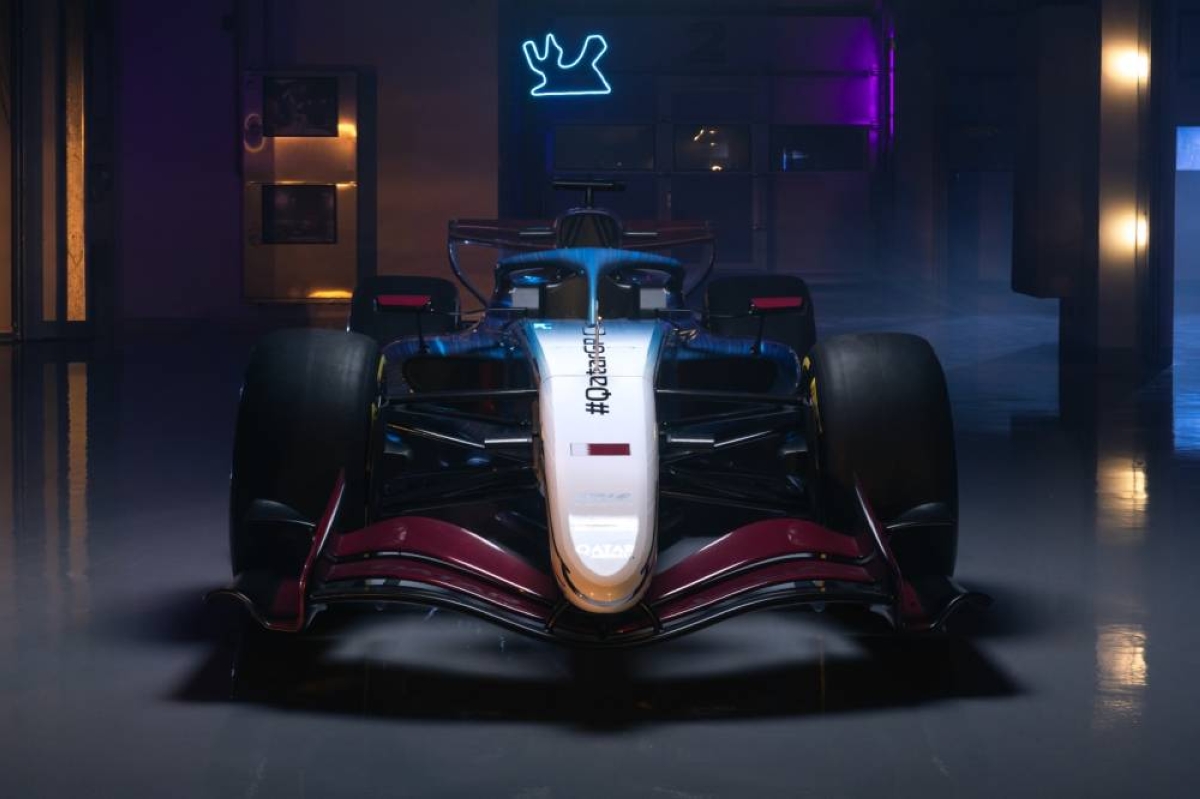
The Lusail Circuit 2026 Formula 1 Show Car has been officially unveiled, giving fans around the world an exciting preview of the future of Formula 1 racing. Presented at the iconic Lusail International Circuit in Qatar, the futuristic machine represents what Grand Prix cars could look like when new regulations arrive in 2026. Sleeker, smarter, and more sustainable, the show car signals a major transformation for the sport.
Developed under the guidance of the Formula One World Championship governing framework led by Fédération Internationale de l’Automobile (FIA), the concept vehicle highlights cutting-edge technology, improved safety, and a stronger commitment to environmental responsibility. For fans, teams, and engineers alike, this unveiling offers a glimpse into the next era of racing.
A Bold Vision for the Future of Formula 1
The Lusail Circuit 2026 Formula 1 Show Car is not a race-ready vehicle but a design prototype that demonstrates how upcoming technical rules may shape future cars. It combines aggressive aerodynamics, lighter materials, and advanced power systems.
Compared with current cars, the new design looks:
- Narrower and more compact
- More aerodynamic with smoother body lines
- Equipped with simplified wings
- Built with sustainability in mind
Officials emphasized that the goal is to make racing closer, faster, and more exciting while reducing environmental impact. The show car reflects years of research into how Formula 1 can evolve without losing its identity as the pinnacle of motorsport.
Why the Reveal at Lusail Matters
Choosing Lusail as the launch venue is significant. The modern circuit has rapidly become one of the most important motorsport hubs in the Middle East. Since hosting its first Grand Prix, the venue has gained recognition for its state-of-the-art facilities, night-race atmosphere, and strong fan turnout.
By unveiling the concept here, organizers highlighted Qatar’s growing role in global motorsport and its ambition to be a long-term destination for major sporting events.
The circuit’s wide layout and high-speed corners also symbolize the kind of racing Formula 1 hopes to preserve—fast, competitive, and visually spectacular.
Key Design Changes in the 2026 Concept
The Lusail Circuit 2026 Formula 1 Show Car introduces several striking changes that distinguish it from today’s cars.
1. Smaller, Lighter Chassis
Current Formula 1 cars have grown significantly in size and weight over the years. The new concept aims to reverse that trend.
Engineers propose:
- Shorter wheelbase
- Reduced overall weight
- Improved agility in corners
- Better wheel-to-wheel racing
A lighter car not only enhances performance but also reduces energy consumption, supporting sustainability goals.
2. Advanced Aerodynamics
Aerodynamics remain central to Formula 1 performance. However, the 2026 concept focuses on cleaner airflow to allow cars to follow each other more closely.
Key features include:
- Redesigned front and rear wings
- Simplified bodywork
- Reduced turbulence behind the car
- Improved overtaking opportunities
Fans have long asked for more on-track battles, and this design aims to deliver exactly that.
3. Active Aero Technology
One of the most futuristic aspects is the introduction of active aerodynamic elements. Unlike fixed wings used today, parts of the car could adjust during a race to optimize speed or downforce.
This technology may:
- Increase straight-line speed
- Improve cornering stability
- Reduce drag when needed
- Enhance energy efficiency
If implemented, it could revolutionize racing strategy.
Power Unit Revolution: Hybrid Gets Stronger
Beyond visual changes, the Lusail Circuit 2026 Formula 1 Show Car represents a major shift in engine technology.
Formula 1 will continue using hybrid power units, but with important upgrades:
- Greater reliance on electrical energy
- Increased battery capacity
- Reduced fuel consumption
- Use of fully sustainable fuels
The internal combustion engine will remain, preserving the iconic sound and character of F1, but electric power will play a much larger role.
Sustainable Fuel Commitment
One of the biggest environmental steps is the adoption of 100% sustainable fuel. This fuel is designed to:
- Produce significantly lower carbon emissions
- Be compatible with existing engines
- Support global decarbonization efforts
Formula 1 aims to become net-zero carbon by 2030, and the 2026 regulations are a key milestone toward that target.
Safety Enhancements Take Center Stage
Safety has always been a top priority in Formula 1, and the new concept continues that tradition.
The show car incorporates:
- Stronger cockpit protection
- Improved crash structures
- Enhanced fire resistance
- Advanced wheel tether systems
While current cars are already extremely safe, engineers constantly analyze data from accidents to identify areas for improvement.
The 2026 model demonstrates how safety innovations can be integrated without compromising performance or aesthetics.
Designed for Better Racing
One of the main criticisms of modern Formula 1 is that cars can struggle to overtake due to aerodynamic turbulence. The Lusail Circuit 2026 Formula 1 Show Car addresses this issue directly.
How Racing Could Improve
The new design aims to:
- Allow cars to follow closely through corners
- Reduce tire overheating in traffic
- Increase slipstream effect on straights
- Encourage more overtaking maneuvers
If successful, fans could see more dramatic battles and unpredictable race outcomes.
A New Era for Drivers
Drivers will also experience major changes with the new car.
Increased Physical Challenge
Smaller, lighter cars with active aerodynamics may demand:
- Faster reaction times
- Greater physical strength
- Enhanced adaptability
- New driving techniques
Simulators and training programs will likely evolve to prepare drivers for these conditions.
Strategic Complexity
With more electrical power and adjustable aero systems, race strategy could become even more complex.
Teams may need to decide:
- When to deploy electric boost
- How to balance energy usage
- When to adjust aerodynamic settings
This adds another layer of excitement for viewers and analysts alike.
Fan Reactions and Global Excitement
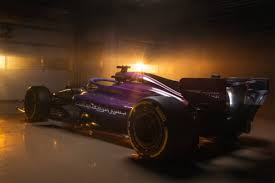
The unveiling generated strong reactions across the motorsport community. Fans praised the futuristic look, while experts focused on the technical implications.
Common positive responses included:
- Appreciation for the sleeker design
- Excitement about closer racing
- Support for sustainability initiatives
- Curiosity about real-world performance
Some traditionalists expressed concerns about preserving the essence of Formula 1, but most agreed that evolution is necessary to keep the sport relevant.
Qatar’s Growing Role in Global Motorsport
Hosting the reveal further strengthens Qatar’s position as a key player in international sports.
Over the past decade, the country has invested heavily in infrastructure and major events, including football, athletics, and motorsport. The Lusail circuit has become a symbol of these ambitions.
The night race held at the venue has already gained popularity for its dramatic visuals and challenging conditions, making it one of the standout events on the calendar.
Economic and Technological Impact
Innovations developed for Formula 1 often influence road cars and other industries.
Potential benefits of the 2026 technologies include:
- More efficient hybrid systems for consumer vehicles
- Advances in sustainable fuels
- Improved safety engineering
- Lightweight materials development
Automakers closely monitor F1 innovations because they often shape future automotive trends.
What Happens Next?
While the Lusail Circuit 2026 Formula 1 Show Car offers a detailed preview, final race cars will be developed by individual teams. Each team will interpret the regulations differently, leading to diverse designs and competitive innovation.
Key milestones ahead include:
- Finalization of technical regulations
- Team development programs
- Wind tunnel testing and simulations
- Pre-season testing before the 2026 season
Fans can expect ongoing updates as teams reveal their own interpretations of the new rules.
Why the 2026 Changes Matter
Formula 1 constantly balances tradition with innovation. The upcoming regulations represent one of the biggest shifts in decades.
They aim to address several challenges:
- Environmental responsibility
- Rising costs
- Competitive balance
- Fan engagement
By tackling these issues together, the sport hopes to secure long-term growth.
A Glimpse Into Motorsport’s Future
The Lusail Circuit 2026 Formula 1 Show Car is more than just a prototype — it is a statement of intent. It shows how motorsport can remain thrilling while adapting to a changing world.
Key takeaways from the unveiling include:
- Racing will remain fast and dramatic
- Technology will become smarter and cleaner
- Sustainability will play a central role
- Safety will continue to improve
For young fans especially, the concept highlights a future where cutting-edge innovation and environmental awareness go hand in hand.
Conclusion
The debut of the Lusail Circuit 2026 Formula 1 Show Car marks a pivotal moment for the sport. By combining futuristic design, advanced hybrid technology, improved safety, and sustainability, Formula 1 is preparing for a new chapter that could redefine racing for decades to come.
While many details will evolve before the cars hit the track, the direction is clear: faster, closer, cleaner, and more exciting competition. As teams begin development and anticipation builds, fans around the world will be watching closely to see how this bold vision transforms into reality.
Do follow Gulf Magazine on Instagram
Also Read – Nobu Doha: World Class Japanese Fusion by the Sea

