

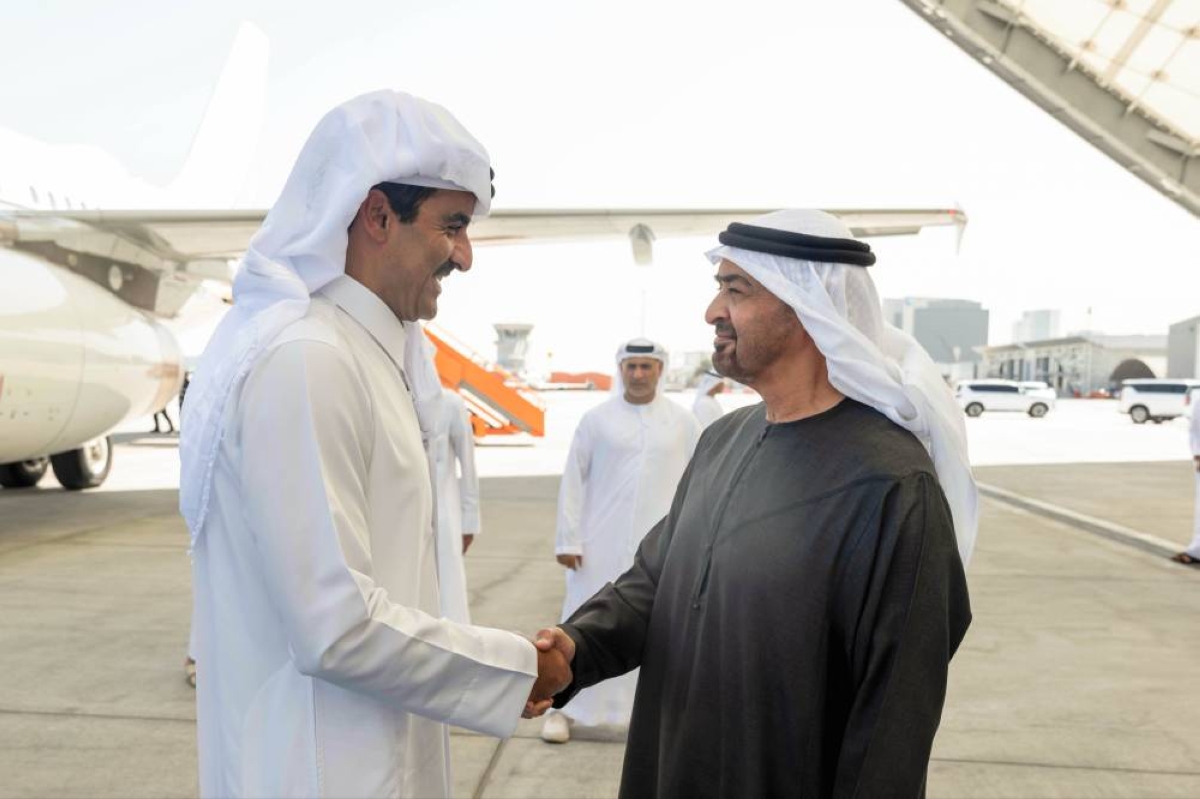
Amir UAE dialogue for regional stability has emerged as a powerful signal of unity and diplomatic commitment in the Gulf region. At a time when geopolitical tensions, economic uncertainty, and security concerns continue to affect the Middle East, high-level engagement between Gulf leaders offers a reassuring message: cooperation and dialogue remain the preferred path forward.
The recent discussions between His Highness the Amir of Kuwait, Sheikh Mishal Al-Ahmad Al-Jaber Al-Sabah, and the President of the United Arab Emirates, Sheikh Mohamed bin Zayed Al Nahyan, underline a shared vision for peace, stability, and sustainable development across the region. Their meeting reflects not only bilateral friendship but also a broader strategy to strengthen Gulf solidarity amid global challenges.
A Meeting Rooted in Brotherhood and Trust
Relations between Kuwait and the UAE have long been characterized by mutual respect, cultural affinity, and shared strategic interests. The Amir UAE dialogue for regional stability builds on decades of cooperation across political, economic, and humanitarian fields.
During the talks, both leaders emphasized:
- Strengthening Gulf unity
- Enhancing joint security cooperation
- Promoting economic integration
- Supporting peaceful solutions to regional conflicts
- Expanding humanitarian initiatives
Such discussions are particularly significant as the Gulf region navigates complex international dynamics, including energy transitions, global economic shifts, and evolving security threats.
Observers note that Kuwait has traditionally played the role of a mediator in regional disputes, while the UAE has increasingly positioned itself as a driver of development, diplomacy, and modernization. Together, their partnership forms a stabilizing force in the Middle East.
Why Dialogue Matters Now More Than Ever
The Amir UAE dialogue for regional stability comes at a critical time. Conflicts in nearby regions, shifting alliances, and global uncertainties have heightened the need for coordinated Gulf action.
Dialogue serves several key purposes:
1. Preventing Escalation of Conflicts
Open communication channels between regional leaders help reduce misunderstandings and prevent crises from escalating. Kuwait, in particular, has a long history of diplomatic mediation, including efforts to bridge differences within the Gulf Cooperation Council (GCC).
2. Strengthening Collective Security
Security challenges today are interconnected. Issues such as cyber threats, maritime safety, terrorism, and regional instability cannot be addressed by one country alone. Joint discussions enable coordinated strategies that protect the entire region.
3. Supporting Economic Stability
The Gulf economies are deeply interlinked. Cooperation between Kuwait and the UAE helps maintain investor confidence, stabilize energy markets, and support diversification efforts beyond oil dependence.
4. Promoting Humanitarian Cooperation
Both nations are known for extensive humanitarian aid programs worldwide. Dialogue ensures that relief efforts are coordinated and effective, particularly in crisis zones.
Kuwait’s Role as a Voice of Moderation
Kuwait has earned international respect for its balanced foreign policy and commitment to peaceful diplomacy. The Amir UAE dialogue for regional stability reinforces Kuwait’s position as a bridge-builder in the Middle East.
Under the leadership of Sheikh Mishal Al-Ahmad Al-Jaber Al-Sabah, Kuwait continues to prioritize:
- Non-interference in internal affairs of other states
- Respect for international law
- Peaceful conflict resolution
- Regional cooperation
This approach has helped Kuwait maintain strong relations with diverse global partners while avoiding entanglement in divisive conflicts.
The UAE’s Expanding Diplomatic Influence
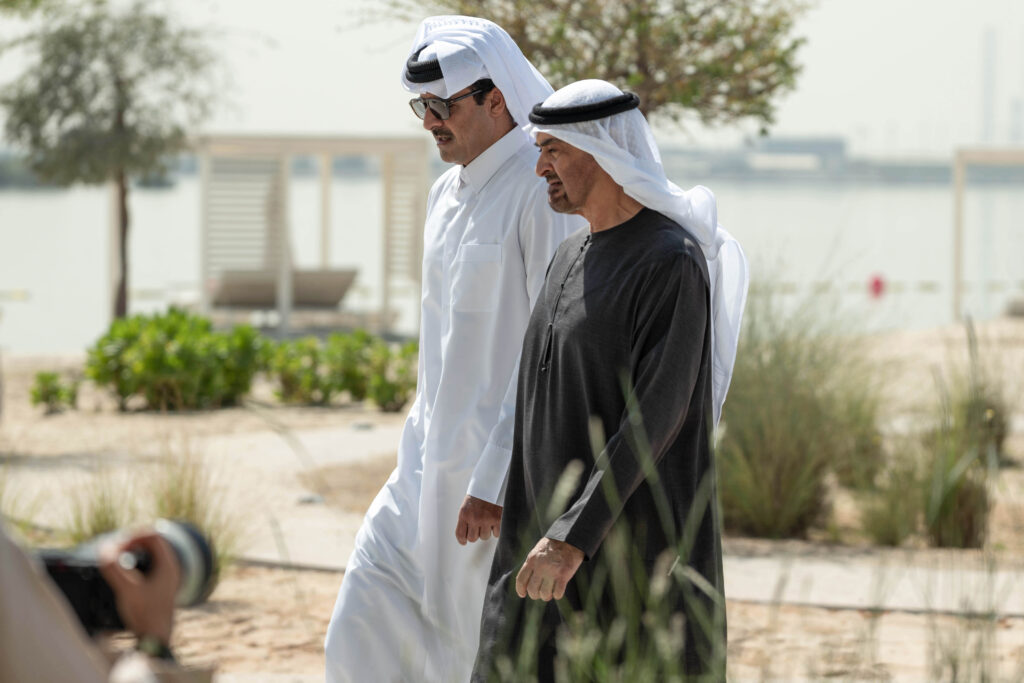
The United Arab Emirates has emerged as a major regional and global player over the past two decades. Under Sheikh Mohamed bin Zayed Al Nahyan, the country has pursued an active foreign policy centered on stability, economic growth, and technological advancement.
The Amir UAE dialogue for regional stability aligns closely with the UAE’s broader goals, including:
- Building strategic partnerships worldwide
- Encouraging innovation-driven development
- Supporting counter-extremism initiatives
- Investing in renewable energy and future industries
The UAE’s ability to combine economic strength with diplomatic outreach has made it a key partner for many countries seeking stability in the Middle East.
Strengthening Gulf Cooperation Council Unity
One of the most important aspects of the Amir UAE dialogue for regional stability is its impact on the Gulf Cooperation Council (GCC). Unity among GCC members is essential for addressing shared challenges and maximizing opportunities.
Key areas of GCC cooperation include:
- Defense coordination
- Trade and customs integration
- Infrastructure development
- Environmental sustainability
- Public health initiatives
By reinforcing bilateral ties, Kuwait and the UAE contribute to a stronger, more cohesive Gulf bloc capable of acting collectively on regional and global issues.
Economic Collaboration as a Pillar of Stability
Economic cooperation is a cornerstone of long-term peace. The discussions between the two leaders highlighted opportunities to deepen trade, investment, and development partnerships.
Potential areas of collaboration include:
- Energy transition and renewable projects
- Financial services and banking integration
- Tourism development
- Digital transformation and AI innovation
- Infrastructure connectivity
Stronger economic ties not only benefit citizens but also create interdependence that discourages conflict and promotes mutual prosperity.
Humanitarian Leadership on the Global Stage
Both Kuwait and the UAE are recognized as major humanitarian donors. Their joint efforts have provided relief in regions affected by war, natural disasters, and poverty.
The Amir UAE dialogue for regional stability emphasized continued cooperation in humanitarian assistance, including:
- Emergency relief operations
- Development aid
- Refugee support programs
- Healthcare initiatives
- Education funding
Such efforts enhance the global reputation of Gulf nations as responsible and compassionate actors.
Addressing Regional Conflicts Through Diplomacy
Many Middle Eastern conflicts remain unresolved, affecting millions of people and threatening broader stability. Dialogue between Gulf leaders can help facilitate peaceful solutions.
Kuwait has previously hosted negotiations and peace initiatives, while the UAE has supported reconstruction and development efforts in post-conflict areas. Their coordinated approach increases the likelihood of sustainable outcomes.
Diplomatic engagement also sends a message that regional problems should be solved through dialogue rather than confrontation.
The Importance of Leadership in Times of Uncertainty
Strong leadership plays a crucial role in navigating turbulent times. The Amir UAE dialogue for regional stability demonstrates how experienced leaders can guide their nations toward cooperation rather than division.
Leadership priorities highlighted during the meeting include:
- Safeguarding national interests while promoting regional peace
- Investing in future generations
- Strengthening institutions
- Encouraging innovation and resilience
Such forward-looking policies help ensure that Gulf countries remain stable and prosperous despite global uncertainties.
Public Support for Regional Cooperation
Citizens across the Gulf generally favor stronger ties among neighboring countries. Shared culture, language, and history create a natural foundation for cooperation.
Public benefits of regional stability include:
- Job creation through economic growth
- Improved security
- Better infrastructure and services
- Increased educational opportunities
- Enhanced global mobility
The Amir UAE dialogue for regional stability resonates strongly with these aspirations, reinforcing public confidence in leadership.
International Reactions and Strategic Significance
Global powers closely monitor developments in the Gulf due to its strategic importance in energy supply, trade routes, and geopolitical balance.
Positive engagement between Kuwait and the UAE reassures international partners that the region remains committed to stability and constructive diplomacy. It also strengthens the Gulf’s collective voice on global issues such as climate change, economic recovery, and security cooperation.
Looking Ahead: A Vision for a Stable Middle East
The meeting between the two leaders is not an isolated event but part of a broader vision for a peaceful and prosperous region. Continued dialogue, joint initiatives, and mutual support will be essential in achieving this goal.
Future cooperation may focus on:
- Green energy transitions
- Food and water security
- Advanced technology partnerships
- Youth empowerment programs
- Cultural exchange initiatives
These areas address long-term challenges while creating opportunities for sustainable growth.
Conclusion: Dialogue as the Path to Peace
The Amir UAE dialogue for regional stability represents more than a diplomatic meeting — it is a reaffirmation of shared values, strategic partnership, and commitment to peace. In a world often marked by division and uncertainty, such engagement offers hope that cooperation can prevail over conflict.
By strengthening bilateral relations, supporting GCC unity, promoting economic integration, and advancing humanitarian efforts, Kuwait and the UAE are helping shape a more stable future for the Middle East.
As regional and global challenges continue to evolve, sustained dialogue between responsible leaders will remain essential. The partnership between Sheikh Mishal Al-Ahmad Al-Jaber Al-Sabah and Sheikh Mohamed bin Zayed Al Nahyan demonstrates that diplomacy, mutual respect, and shared vision can serve as powerful tools for building lasting stability.
Do Follow Gulf Magazine on Instagram
Read More:- Saudi Arabia Boosts Transport Power With Advanced New Diesel Trains 2025

