

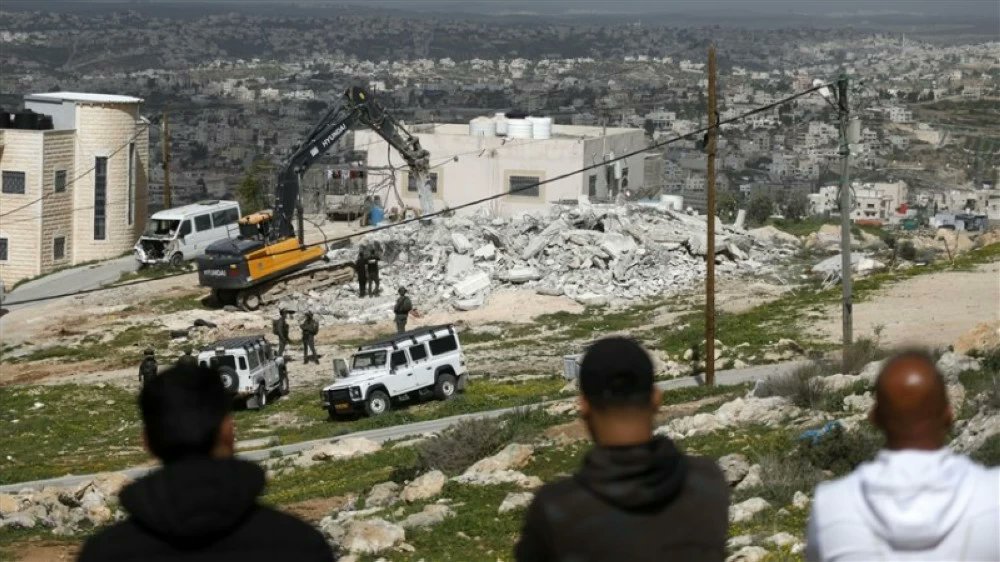
West Bank state property designation has become the center of a major political storm after Israel approved the registration of large areas in the West Bank as state land. The decision has drawn strong reactions from Palestinians, international organizations, and governments around the world, who warn it could dramatically reshape the region’s future.
Supporters inside Israel argue the move clarifies land ownership and strengthens national security. Critics, however, say it accelerates settlement expansion and undermines hopes for a future Palestinian state.
This article explains what the decision means, why it matters, and how it could affect millions of people living in the region.
What “West Bank State Property” Means
Declaring land as West Bank state property means the government claims ownership over areas not officially registered to private individuals. In Israeli law, this often allows the state to manage, lease, or allocate land — including for infrastructure or settlement development.
Many of the areas affected are rural zones, hills, or land historically used by Palestinian communities for farming and grazing but lacking formal land deeds recognized by Israeli authorities.
Key implications include:
- The state gains control over land management
- New construction projects may be approved
- Palestinian access could be restricted
- Settlement expansion becomes easier
For Palestinians, the issue is not just legal — it is deeply tied to identity, livelihood, and future sovereignty.
Historical Context of Land in the West Bank
The roots of the West Bank state property issue stretch back decades. Israel captured the territory during the 1967 Six-Day War and has administered it ever since.
Land classification in the region is complex because it reflects layers of legal systems:
- Ottoman land laws (19th century)
- British Mandate regulations
- Jordanian administration rules
- Israeli military and civil laws
Many Palestinians never formally registered their land under these systems, often because registration processes were costly or inaccessible. As a result, large tracts are classified as “unregistered,” making them vulnerable to state claims.
The territory’s political status remains disputed internationally. Most countries consider it occupied land intended for a future Palestinian state.
Israeli Government’s Justification
Israeli officials say registering land as state property is a legal process, not a political one. They argue it helps establish order, prevents illegal construction, and enables development.
Prime Minister Benjamin Netanyahu and his allies have emphasized security concerns, stating that maintaining control over strategic areas is essential to protect Israeli citizens.
Supporters inside Israel also argue:
- The land was not privately owned under legal standards
- Development benefits regional infrastructure
- Jewish historical ties to the land justify presence
- Security control prevents militant activity
Some Israeli legal experts say state registration reduces ambiguity that has fueled disputes for years.
Palestinian Response and Concerns
Palestinians strongly oppose the West Bank state property designation, viewing it as a form of land confiscation.
Officials based in Ramallah warn that the move could isolate Palestinian communities and limit economic growth. Farmers fear losing access to land that has supported families for generations.
Major concerns include:
- Loss of agricultural livelihoods
- Restrictions on movement
- Fragmentation of Palestinian territories
- Reduced prospects for independence
For many Palestinians, land is more than property — it is heritage and survival.
Impact on Settlements
One of the most controversial aspects of the decision is its potential to expand Israeli settlements. These communities, built by Israelis in the West Bank, are considered illegal under international law by most countries, though Israel disputes this interpretation.
Declaring land as West Bank state property can make it easier to:
- Approve new housing units
- Expand existing settlements
- Build roads and infrastructure
- Connect settlements to Israeli cities
Settlement growth is widely seen as a major obstacle to a two-state solution.
International Reaction
The move has triggered concern across the globe. The United Nations warned that altering land status in occupied territory could violate international law.
European governments and human rights groups expressed similar worries, arguing that unilateral land decisions make peace negotiations more difficult.
Common points raised by critics include:
- The risk of escalating tensions
- Potential violations of humanitarian law
- Undermining diplomatic solutions
- Increased instability in the region
Some countries have called for restraint and renewed dialogue.
Legal Debate Over Occupied Land
International law experts are divided, but many point to rulings and opinions from bodies such as the International Court of Justice, which has previously addressed issues related to the territory.
Critics argue that transferring land control in occupied areas is restricted under international conventions. Israel counters that the land’s legal status is unique and disputed, not strictly “occupied” in the traditional sense.
This legal disagreement lies at the heart of the global debate.
Effects on Daily Life
Beyond politics, the West Bank state property decision could reshape everyday life for ordinary people.
For Palestinians
- Possible eviction risks in some areas
- Reduced access to farmland and water
- Increased travel restrictions
- Economic hardship
For Israelis Living in Settlements
- Greater legal security
- Improved infrastructure
- Potential population growth
- Expanded housing opportunities
These contrasting impacts highlight how deeply the issue divides communities.
Security Implications
Security is one of Israel’s main arguments for asserting land control. Officials say certain areas are strategically important to prevent attacks and maintain military oversight.
However, analysts warn that the decision could inflame tensions and trigger unrest, potentially leading to:
- Protests and clashes
- Increased violence
- Strained security coordination
- Regional instability
History shows that land decisions in the West Bank often have immediate security consequences.
Impact on Peace Prospects
For decades, international diplomacy has focused on a two-state solution — an independent Palestinian state alongside Israel.
Critics say expanding West Bank state property undermines this vision by reducing the land available for a future Palestinian state and fragmenting territories into disconnected enclaves.
Peace advocates fear the move could:
- Harden positions on both sides
- Reduce trust in negotiations
- Encourage unilateral actions
- Make compromise politically harder
Supporters of Israel’s policy argue that final borders should be determined through direct talks, not preconditions.
Role of Jerusalem and Regional Politics
The decision also intersects with broader tensions centered around Jerusalem, a city sacred to Jews, Muslims, and Christians.
Regional politics — including relations with neighboring Arab countries — could be affected. While some states have normalized ties with Israel in recent years, the Palestinian issue remains deeply sensitive across the Middle East.
Human Rights Perspective
Human rights organizations argue that land reclassification can lead to displacement and unequal access to resources. They warn that long-term stability requires policies that protect civilians on both sides.
Key humanitarian concerns include:
- Housing insecurity
- Loss of income sources
- Psychological stress
- Limited development opportunities
Advocates call for international monitoring and legal safeguards.
Possible Future Scenarios
The full impact of the West Bank state property move will unfold over time. Several outcomes are possible:
1. Expanded Settlements
Construction increases, altering the demographic and geographic landscape.
2. Diplomatic Pressure
International actors push for negotiations or sanctions.
3. Legal Challenges
Cases may be brought before international courts or tribunals.
4. Renewed Talks
In a more optimistic scenario, controversy could revive peace efforts.
5. Increased Tensions
Worst-case fears include widespread unrest or violence.
Voices Calling for Dialogue
Despite strong disagreements, some leaders and civil society groups urge renewed dialogue rather than confrontation. They emphasize that sustainable peace requires addressing the needs and rights of both peoples.
Grassroots initiatives involving Israelis and Palestinians continue to promote cooperation in areas such as education, environment, and economic development.
Why the Issue Matters Globally
The conflict affects not only local populations but also international stability. The region holds religious significance for billions of people worldwide, and tensions can influence global politics, energy markets, and security dynamics.
Moreover, the situation raises broader questions about international law, sovereignty, and human rights.
Conclusion
The decision to register large areas as West Bank state property marks a pivotal moment in one of the world’s longest-running conflicts. Supporters see it as a legal and strategic necessity; opponents view it as a step toward permanent occupation and loss of Palestinian land.
What happens next will depend on political leadership, international engagement, and the willingness of both sides to pursue dialogue despite deep mistrust.
For millions of Israelis and Palestinians, the stakes could not be higher. Land in this region is not merely territory — it represents history, identity, security, and hopes for the future.
Whether this move leads to further division or renewed efforts toward peace remains one of the most pressing questions facing the Middle East today.
Do follow Gulf Magazine on Instagram.
Also Read – Saudi Arabia’s Nano Metal Oxide Market Set for Powerful $7.4 Billion Boom by 2031

