

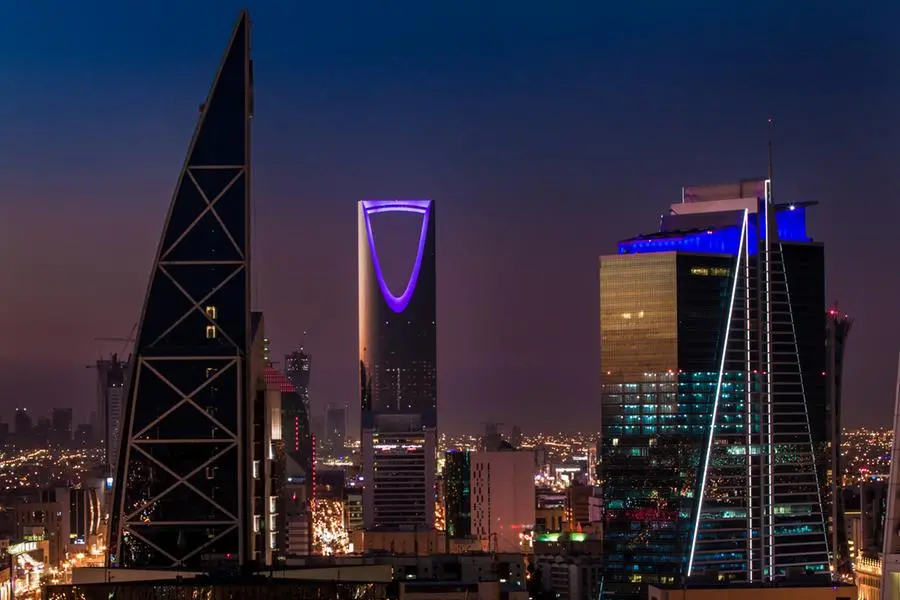
Saudi inflation falls to 1.8% in January, marking one of the lowest price growth rates among major economies and signaling growing stability in the Kingdom’s economy. The latest data shows that inflation in Saudi Arabia continues to remain under control despite global economic uncertainty, high interest rates worldwide, and ongoing geopolitical tensions.
For households, businesses, and policymakers, this development brings cautious optimism. Lower inflation means prices are rising more slowly, easing pressure on living costs while supporting consumer confidence. At the same time, economists warn that some sectors—especially housing—are still experiencing price increases, meaning the relief is not evenly distributed.
This article explores what the latest inflation figures mean, why prices are stabilizing, which sectors are driving changes, and what to expect in the coming months.
Saudi inflation falls to 1.8%: What the numbers show
According to official statistics, consumer prices in January rose by just 1.8% compared with the same month last year. On a month-to-month basis, inflation remained largely stable, suggesting that price pressures are easing rather than accelerating.
Several key trends stand out:
- Overall inflation remains below the global average
- Food prices are stabilizing after previous increases
- Housing costs continue to rise but at a slower pace
- Transport prices are relatively contained due to stable fuel costs
- Government policies are helping to control price spikes
Compared with many developed economies that struggled with inflation above 4–8% in recent years, Saudi Arabia’s figure is notably low. Analysts attribute this to a combination of energy subsidies, strong currency stability, controlled domestic demand, and government interventions.
The country’s inflation rate has stayed moderate even during periods when global supply chains were disrupted. This resilience reflects the structure of the Saudi economy, where energy revenues provide fiscal flexibility.
Housing and rents remain the biggest pressure
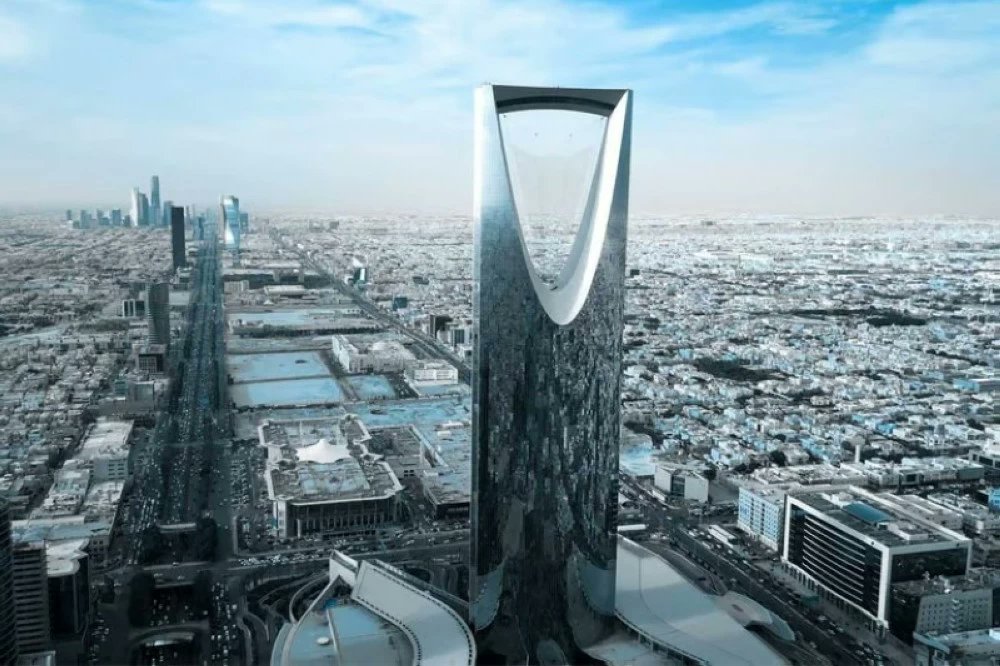
While overall inflation is low, housing remains the single largest contributor to price increases. Rental costs, particularly in major cities such as Riyadh, have surged due to strong demand, population growth, and economic expansion.
Key reasons behind rising housing costs include:
- Rapid urban development attracting workers
- Large infrastructure projects
- Increasing expatriate population
- Limited short-term housing supply
- Higher land prices in prime areas
Apartment rents in business districts have climbed significantly over the past year. Families moving into cities for jobs or education are facing tighter housing markets, which keeps upward pressure on prices.
However, new construction projects and housing initiatives are expected to gradually ease shortages over time.
Food prices show signs of stability
Food inflation has been a major concern worldwide, but recent data indicates that price increases in Saudi Arabia are moderating.
Several factors are helping stabilize food costs:
- Improved global supply chains
- Lower shipping costs compared with pandemic peaks
- Government monitoring of essential goods
- Strategic food reserves
- Strong trade relationships
Basic items such as rice, wheat, and cooking oil have seen smaller price changes than in previous years. Seasonal variations still affect fresh produce, but overall trends suggest greater stability.
For consumers, this means grocery bills are rising more slowly, though not necessarily falling.
Transport and fuel costs remain controlled
Transport expenses form another important part of household budgets. In Saudi Arabia, these costs remain relatively stable due to regulated fuel prices and the country’s position as a major oil producer.
Membership in OPEC allows the Kingdom to manage oil production levels, indirectly supporting domestic energy price stability.
Key reasons transport inflation is low:
- Domestic fuel subsidies
- Stable global oil prices compared with past spikes
- Expanding public transportation projects
- Increased availability of ride-hailing services
Lower transport costs help reduce inflation across the economy because logistics and shipping expenses affect nearly every product.
Government policies supporting price stability
The Saudi government has taken proactive steps to maintain economic balance. Fiscal discipline combined with targeted spending has helped prevent overheating while supporting growth.
Important policy measures include:
- Subsidies on essential goods and energy
- Monitoring of retail prices
- Strategic investments in food security
- Expansion of local production
- Careful management of public spending
The Saudi Central Bank also plays a role by aligning monetary policy with global trends while ensuring financial stability.
Because the Saudi riyal is pegged to the US dollar, interest rate changes often mirror those of the United States. However, strong fiscal reserves give the Kingdom flexibility that many other economies lack.
Impact on households
For everyday residents, lower inflation translates into slower increases in living costs. Salaries may stretch further, and savings retain more value.
Positive effects include:
- Improved purchasing power
- Greater financial planning certainty
- Reduced pressure on low-income households
- More stable utility and transport costs
- Increased consumer confidence
However, housing expenses remain a challenge, especially for young families and newcomers to major cities.
Impact on businesses and investors
Low inflation is generally favorable for business planning. Companies can forecast costs more accurately, set stable prices, and invest with greater confidence.
Benefits for businesses include:
- Lower input cost volatility
- Improved demand stability
- Better long-term planning
- Reduced risk of sudden price shocks
- Stronger consumer spending outlook
Foreign investors also view stable inflation as a sign of economic maturity. It suggests that the country offers predictable operating conditions.
Link to economic diversification goals
Saudi Arabia is undergoing a major transformation aimed at reducing dependence on oil revenues. Stable inflation supports these efforts by creating a favorable environment for new industries.
Key sectors benefiting from price stability include:
- Tourism
- Technology
- Manufacturing
- Entertainment
- Renewable energy
Large development projects across the Kingdom are attracting international companies and skilled workers, further boosting economic activity.
Saudi inflation falls to 1.8% amid global uncertainty
Globally, inflation remains a major concern. Many countries continue to struggle with elevated prices due to supply chain disruptions, geopolitical tensions, and high borrowing costs.
Against this backdrop, Saudi Arabia’s low inflation stands out.
Reasons the Kingdom is relatively insulated include:
- Energy export revenues
- Strong fiscal buffers
- Managed currency peg
- Government intervention capacity
- Domestic production initiatives
These factors help shield consumers from external shocks that might otherwise drive prices higher.
Potential risks going forward
Despite encouraging data, economists caution that inflation could rise again if certain risks materialize.
Possible challenges include:
- Continued housing shortages
- Global food price volatility
- Oil market fluctuations
- Rising import costs
- Strong domestic demand
Large infrastructure projects may also increase demand for materials and labor, which could push prices upward in specific sectors.
Outlook for the rest of the year
Most analysts expect inflation in Saudi Arabia to remain moderate throughout the year, barring major global disruptions.
Key factors supporting a stable outlook:
- Expanding housing supply
- Ongoing government monitoring
- Stable energy prices
- Gradual global economic recovery
- Continued investment in domestic production
Some forecasts suggest inflation may hover between 1.5% and 2.5% in the near term, keeping the Kingdom among the lowest-inflation economies worldwide.
What lower inflation means for economic growth
Moderate inflation is often considered ideal for growth. It encourages spending without eroding purchasing power too quickly.
Low inflation can:
- Support consumer demand
- Attract foreign investment
- Stabilize financial markets
- Reduce pressure on interest rates
- Promote sustainable development
If managed carefully, it creates conditions for long-term prosperity rather than short-term booms followed by painful corrections.
Public sentiment and consumer behavior
Early indications suggest that consumers are cautiously optimistic. Retail spending remains steady, and major shopping seasons continue to draw strong participation.
However, households are also becoming more price-conscious, comparing options and seeking value. Digital platforms and online marketplaces have increased competition, helping keep prices in check.
Regional comparison
Within the Gulf region, Saudi Arabia’s inflation rate is among the lowest. Neighboring economies also maintain relatively controlled price levels, but some face higher housing costs or imported inflation pressures.
The Kingdom’s large domestic market and energy resources provide a unique advantage, allowing it to absorb shocks more effectively than smaller economies.
Conclusion: A sign of stability, not complacency
Saudi inflation falls to 1.8%, offering powerful relief to consumers and businesses alike while highlighting the strength of the Kingdom’s economic management. Stable prices provide breathing room for households and create a favorable environment for investment and growth.
Yet policymakers remain cautious. Housing costs, global uncertainties, and rapid development could still influence future inflation trends.
Overall, the current data paints a picture of an economy navigating global turbulence with resilience. If present policies continue and supply constraints ease, Saudi Arabia is well positioned to maintain price stability while advancing its ambitious transformation goals.
For residents, investors, and observers, the message is clear: inflation is under control—for now—and the outlook remains cautiously positive.
Do follow Gulf Magazine on Instagram.
Also Read –Saudi Arabia’s Powerful Model Leading Global Fight Against Violent Extremism

