


The Qatar Chamber AML training program has emerged as a vital initiative to help businesses protect themselves from financial crime while strengthening the country’s economic integrity. As global financial systems become more complex, companies face growing pressure to comply with strict anti-money laundering (AML) regulations. Recognizing this need, Qatar Chamber organized a comprehensive training session aimed at raising awareness, improving compliance practices, and equipping participants with practical tools to detect suspicious activities.
Money laundering is not just a banking issue anymore. It affects companies across sectors — from real estate and trade to technology and professional services. By hosting this program, the Chamber reaffirmed its commitment to supporting the private sector and ensuring that businesses in Qatar operate within international standards of transparency and accountability.
Why the Qatar Chamber Anti-Money Laundering Training Matters
Financial crimes pose serious risks to national economies, corporate reputations, and global financial stability. Criminal networks use complex methods to disguise illegal funds, often exploiting legitimate businesses as intermediaries.
The Qatar Chamber anti-money laundering training addressed these risks by focusing on:
- Understanding how money laundering schemes work
- Identifying red flags in financial transactions
- Implementing effective compliance systems
- Protecting organizations from legal and reputational damage
- Aligning with international AML standards
Participants included company executives, compliance officers, accountants, legal professionals, and business owners — all of whom play a crucial role in preventing financial crimes.
Growing Global Pressure on AML Compliance
In recent years, international regulators have intensified scrutiny on financial flows, especially in regions experiencing rapid economic growth. Countries in the Gulf, including Qatar, have strengthened their legal frameworks to prevent illicit financial activities.
Money laundering typically involves three stages:
- Placement — Introducing illegal funds into the financial system
- Layering — Conducting complex transactions to obscure the source
- Integration — Reintroducing funds as legitimate assets
Businesses that fail to detect these stages risk severe penalties, including fines, legal action, and loss of licenses.
The training highlighted how even small and medium enterprises can unknowingly become part of these schemes if they lack proper controls.
Key Topics Covered in the Training
1. Understanding Money Laundering Risks
Experts explained how criminals exploit vulnerabilities in corporate systems. Industries that handle large cash transactions or cross-border payments are particularly exposed.
Real-world case studies demonstrated how legitimate companies were used to channel illegal funds through fake invoices, shell companies, or inflated contracts.
2. Regulatory Framework in Qatar
The Qatar Chamber anti-money laundering training provided detailed guidance on national laws and regulatory requirements. Participants learned about:
- Reporting obligations for suspicious transactions
- Customer due diligence procedures
- Record-keeping requirements
- Penalties for non-compliance
Understanding these rules is essential for businesses operating in or with Qatar, especially those engaged in international trade.
3. Know Your Customer (KYC) Practices
Strong KYC procedures are the foundation of AML compliance. The training emphasized verifying customer identities, understanding business relationships, and assessing risk levels.
Key KYC steps include:
- Verifying official documents
- Screening against sanctions lists
- Monitoring transaction patterns
- Updating customer information regularly
Companies were encouraged to adopt risk-based approaches rather than applying the same procedures to all clients.
4. Detecting Suspicious Activities
One of the most practical parts of the program focused on recognizing warning signs. Examples of suspicious behavior include:
- Unusual payment methods
- Complex ownership structures
- Transactions inconsistent with a client’s profile
- Requests to avoid documentation
- Frequent large cash payments
Early detection can prevent businesses from becoming involved in criminal activities.
Importance for Small and Medium Enterprises
Large financial institutions typically have dedicated compliance teams, but smaller companies often lack resources or expertise. The Qatar Chamber anti-money laundering training aimed to bridge this gap.
SMEs are particularly vulnerable because they:
- May rely on manual processes
- Have limited compliance staff
- Operate in fast-moving markets
- Engage with diverse international clients
By providing accessible training, the Chamber ensures that smaller businesses can also protect themselves and contribute to national financial security.
Technology’s Role in Combating Money Laundering
Modern money laundering schemes increasingly rely on digital tools, cryptocurrencies, and online platforms. As a result, compliance efforts must also evolve.
The training discussed how technology can support AML efforts through:
- Automated transaction monitoring
- Data analytics to identify unusual patterns
- Digital identity verification
- Secure record management
Businesses were encouraged to invest in compliance technologies appropriate to their size and risk exposure.
Benefits of Attending the Training
Participants gained both theoretical knowledge and practical guidance. The benefits extend beyond compliance, helping companies strengthen overall governance and risk management.
Key advantages include:
- Reduced legal and financial risks
- Improved corporate reputation
- Stronger relationships with banks and partners
- Increased investor confidence
- Enhanced operational transparency
Companies that demonstrate strong AML controls are more attractive to international partners and financial institutions.
Qatar’s Commitment to Financial Integrity
The initiative reflects Qatar’s broader strategy to maintain a transparent and resilient economy. As the country continues to attract foreign investment and expand global trade links, strong financial safeguards are essential.
Authorities have been working closely with both public and private sectors to align with international best practices. Training programs like this one ensure that compliance is not limited to regulators but becomes a shared responsibility across the business community.
Real-World Consequences of Non-Compliance
Ignoring AML requirements can lead to serious consequences, including:
- Heavy fines and legal penalties
- Suspension or revocation of business licenses
- Criminal charges against executives
- Loss of banking relationships
- Long-term reputational damage
In extreme cases, companies may be forced to shut down entirely.
The training emphasized that prevention is far less costly than dealing with the aftermath of violations.
Building a Culture of Compliance
Effective AML efforts go beyond policies and procedures. Organizations must cultivate a culture where employees understand the importance of ethical conduct and financial transparency.
Recommended steps include:
- Regular staff training
- Clear reporting channels for concerns
- Leadership commitment to compliance
- Periodic risk assessments
- Internal audits
When compliance becomes part of everyday operations, businesses are better prepared to respond to emerging threats.
Role of Business Chambers in Fighting Financial Crime
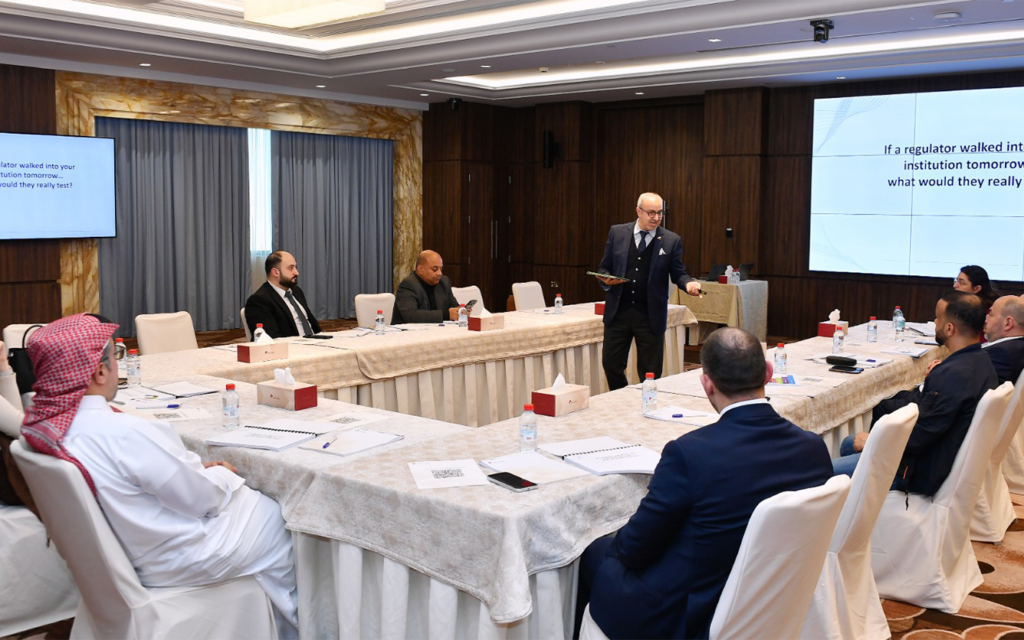
Business associations play a crucial role in raising awareness and supporting members. By organizing the Qatar Chamber anti-money laundering training, the Chamber demonstrated how collective action can strengthen the entire private sector.
Chambers can:
- Provide education and resources
- Facilitate dialogue with regulators
- Share best practices among members
- Promote ethical business standards
Such initiatives help create a level playing field where compliant companies are not disadvantaged by those engaging in illicit activities.
International Cooperation Is Essential
Money laundering is a cross-border crime. Criminal networks often move funds through multiple jurisdictions to evade detection. Therefore, cooperation between countries is vital.
The training highlighted the importance of:
- Information sharing between institutions
- Harmonized regulatory standards
- Collaboration with international bodies
- Cross-border enforcement mechanisms
Businesses involved in international trade must be particularly vigilant, as they may unknowingly interact with high-risk partners.
Practical Steps Companies Can Implement Immediately
Following the training, businesses were encouraged to adopt simple yet effective measures:
- Conduct risk assessments of clients and transactions
- Implement clear internal AML policies
- Appoint a compliance officer
- Maintain detailed financial records
- Report suspicious activities promptly
- Use secure payment channels
- Review third-party relationships
Even basic steps can significantly reduce exposure to financial crime.
Future Outlook: Increasing Need for AML Awareness
As financial systems evolve, so will the methods used by criminals. Emerging risks include digital currencies, online fraud networks, and sophisticated cyber-laundering techniques.
Experts predict that AML requirements will become stricter, not weaker. Businesses that invest in compliance now will be better positioned for the future.
Training programs like this one are likely to expand, covering new technologies, regulations, and risk areas.
Conclusion
The Qatar Chamber anti-money laundering training represents a proactive step toward safeguarding businesses and the national economy from financial crime. By equipping companies with knowledge, tools, and practical strategies, the initiative strengthens Qatar’s reputation as a transparent and trustworthy business environment.
Money laundering is a complex and evolving threat, but informed and vigilant organizations can play a powerful role in combating it. Through continued education, cooperation, and commitment to ethical practices, the private sector can help ensure that economic growth is built on a foundation of integrity.
Ultimately, the success of such initiatives lies not only in attendance but in real-world implementation. Companies that apply these lessons will not only comply with regulations but also build stronger, more resilient organizations prepared for the challenges of a rapidly changing financial landscape.
Do follow on: instagram
Read More: Eid al-Fitr 2025: Global Festivities and Traditions Unveiled

