


A major Canadian business visit to Mexico has been overshadowed by shocking killings that occurred just as senior executives and trade officials arrived to strengthen economic ties. What was meant to be a landmark moment for investment and cooperation has instead turned into a stark reminder of the security challenges that continue to shape the relationship between Canada and Mexico.
Business leaders had hoped the trip would showcase opportunity, growth, and partnership. Instead, headlines around the world focused on violence, safety fears, and uncertainty. The incident has triggered urgent discussions about how security concerns affect trade, foreign investment, and long-term economic planning.
This article examines what happened, why it matters, and how it could reshape future cooperation between the two countries.
Canadian business visit to Mexico meant to boost trade and investment
The Canadian business visit to Mexico was planned as a high-level mission involving corporate executives, government representatives, and industry groups. Its goals were ambitious but clear:
- Strengthen supply chains in North America
- Expand energy and infrastructure partnerships
- Promote manufacturing collaboration
- Explore new opportunities in technology and clean energy
- Reinforce diplomatic and economic ties
Mexico has become one of Canada’s most important trade partners. With near-shoring trends accelerating, many companies are moving production closer to the North American market. Mexico’s skilled workforce, geographic proximity, and trade agreements make it especially attractive.
Canadian firms are deeply involved in sectors such as:
- Mining
- Banking and finance
- Energy
- Automotive manufacturing
- Telecommunications
- Infrastructure
For many executives, the visit represented not just a business trip but a strategic investment in the future of North American economic integration.
Killings cast a sudden and grim shadow
Shortly before or during the Canadian delegation’s arrival, deadly attacks in parts of Mexico captured global attention. Reports indicated that multiple people were killed in violent incidents linked to organized crime. Although the victims were not necessarily connected to the Canadian delegation, the timing created a powerful and unsettling narrative.
Images of crime scenes, emergency responders, and armed security forces quickly spread across international media. For visiting business leaders, the violence was a stark contrast to the planned agenda of investment forums, factory tours, and diplomatic meetings.
Some participants reportedly reassessed travel plans, while others relied on heightened security measures. Even routine activities required careful coordination with local authorities.
The killings highlighted a difficult reality: economic opportunity in Mexico often exists alongside serious security challenges.
Why security concerns matter for foreign investors
Foreign investors typically evaluate three main factors before committing capital:
- Market potential
- Political stability
- Safety and rule of law
When violence dominates headlines, it can affect all three.
Executives worry about:
- Safety of employees and expatriate staff
- Risks to supply chains and logistics
- Potential disruptions to operations
- Insurance costs
- Reputational damage
Even if actual risks to businesses are limited to specific regions, perception alone can influence decisions. Companies tend to be cautious, especially when large investments are involved.
For publicly traded firms, investor confidence also plays a role. Shareholders may question expansion plans if security conditions appear unstable.
Mexico’s complex security landscape
Mexico is a country of contrasts. It is one of the world’s largest economies and a manufacturing powerhouse, yet it continues to struggle with violence linked to organized crime.
Key factors behind the security challenges include:
- Drug trafficking networks
- Territorial disputes between criminal groups
- Corruption in some local institutions
- Weak law enforcement capacity in certain areas
- Socioeconomic inequalities
However, violence is not uniform across the country. Many industrial zones and major business centers operate with relatively high levels of security. International companies have maintained successful operations for decades.
Government officials frequently emphasize that Mexico remains open for business and that targeted security strategies protect key economic regions.
Canadian companies already deeply invested
Despite concerns, Canadian companies are among the largest foreign investors in Mexico. Mining firms, banks, and pension funds have poured billions into projects across the country.
Key areas of cooperation include:
Mining
Canada is one of the biggest foreign investors in Mexico’s mining sector. Canadian companies operate numerous gold, silver, and copper mines.
Energy
Energy collaboration has grown in recent years, particularly in renewable projects such as wind and solar power.
Manufacturing
Automotive and aerospace industries rely heavily on cross-border supply chains involving Canadian firms.
Finance
Canadian banks have a significant presence, providing services to businesses and consumers alike.
For these sectors, stability in Mexico is essential not only for profits but also for North American economic resilience.
Canadian business visit to Mexico faces diplomatic sensitivity
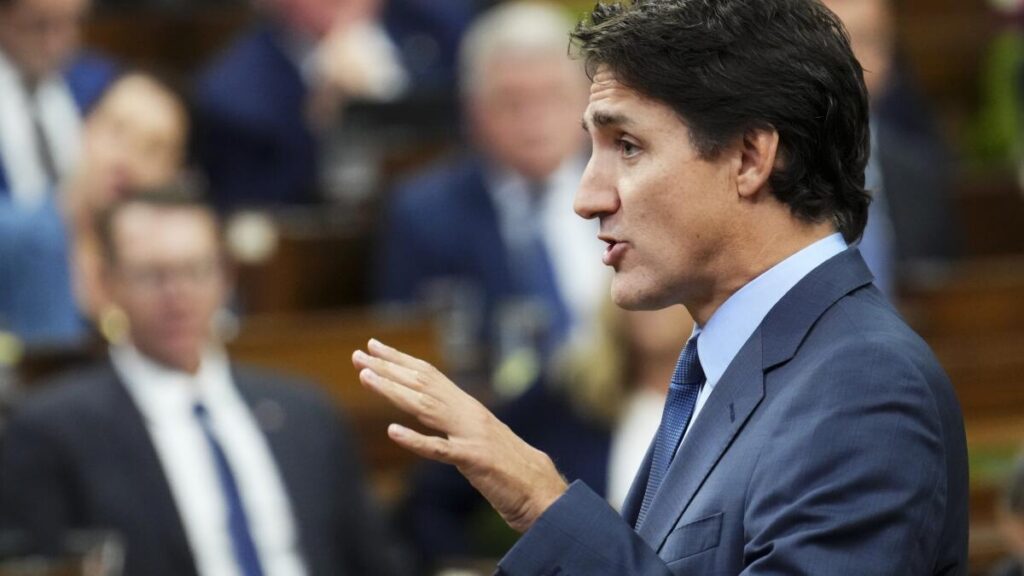
The killings placed both governments in a delicate position. Public statements needed to balance concern for safety with respect for Mexico’s sovereignty.
Canadian officials typically emphasize cooperation rather than criticism. Meanwhile, Mexican authorities often stress ongoing efforts to improve security and protect foreign investment.
Diplomatic messaging tends to focus on:
- Continued partnership
- Joint economic goals
- Security cooperation
- Respect for local processes
Canceling or dramatically scaling back the visit could have signaled a lack of confidence. Proceeding as planned, however, risked appearing insensitive to the violence.
Striking the right tone was crucial.
Impact on trade relations
Trade between Canada and Mexico is worth tens of billions of dollars annually. Both countries are part of a major regional trade framework that promotes the free flow of goods and services across North America.
The Canadian business visit to Mexico aimed to deepen these ties further. Even with the shadow of violence, most experts believe long-term trade relations will remain strong.
However, short-term effects could include:
- Delayed investment decisions
- Increased security spending
- More cautious travel policies
- Enhanced due diligence requirements
Companies may also focus on safer regions or industrial corridors rather than expanding into higher-risk areas.
How businesses manage risk in challenging environments
Multinational companies rarely abandon large markets solely due to security concerns. Instead, they adopt comprehensive risk management strategies, such as:
- Private security arrangements
- Secure transportation protocols
- Employee safety training
- Crisis response plans
- Partnerships with local authorities
- Insurance coverage
Technology also plays a role, including real-time monitoring systems and secure communication tools.
In many cases, firms determine that the economic benefits outweigh the risks, especially in a market as strategically important as Mexico.
The human dimension behind economic headlines
While discussions often focus on investment and trade, the killings are first and foremost a human tragedy. Families lost loved ones, communities were shaken, and fear spread beyond the immediate area.
For visiting executives, the events served as a sobering reminder that economic growth does not exist in isolation from social conditions.
Business leaders increasingly recognize that sustainable investment requires attention to:
- Community development
- Social responsibility
- Transparency
- Local partnerships
Companies that engage positively with communities often face fewer operational risks over time.
Media coverage shapes global perception
International media coverage can strongly influence how events are perceived abroad. Dramatic headlines and images may create the impression that violence is widespread, even if incidents are localized.
For Mexico, reputation management is an ongoing challenge. Tourism, foreign investment, and diplomatic relations all depend partly on global perception.
Government officials and business groups often work to highlight success stories, economic growth, and security improvements to counter negative narratives.
Opportunities still driving cooperation
Despite the shadow cast by violence, powerful forces continue to push Canada and Mexico closer economically.
These include:
- Near-shoring trends away from distant supply chains
- Growing demand for clean energy solutions
- Infrastructure development needs
- Digital transformation projects
- Skilled labor advantages
Many analysts believe North America is entering a period of deeper economic integration, making cooperation between Canada and Mexico more important than ever.
What comes next for the Canadian business visit to Mexico
In the immediate aftermath, security arrangements for visiting delegations are likely to be strengthened. Future missions may include:
- More detailed risk assessments
- Expanded coordination with law enforcement
- Flexible travel plans
- Virtual participation options
Governments may also deepen security cooperation, sharing intelligence and best practices to protect business activities.
Over time, attention will shift back to economic goals, but the memory of the killings will remain part of the broader context.
Lessons for international business travel
The incident highlights several lessons for global companies:
- Security conditions can change rapidly
- Preparation is essential for overseas missions
- Crisis planning must be part of strategy
- Communication with stakeholders is critical
- Local knowledge can reduce risks
Executives increasingly rely on professional security consultants and geopolitical analysts when entering complex environments.
A relationship defined by both opportunity and challenge
The Canadian business visit to Mexico illustrates the dual reality of international economic engagement. Mexico offers enormous opportunities — a large market, strategic location, and growing industrial base — but also faces ongoing security issues.
For Canada, maintaining strong ties with Mexico is vital for economic diversification and regional stability. For Mexico, attracting foreign investment supports development and job creation.
Both countries have strong incentives to continue working together despite setbacks.
Conclusion
The Canadian business visit to Mexico was intended to celebrate partnership and future growth. Instead, it became a moment of reflection on the challenges that accompany opportunity in a complex world.
While the killings cast a dark shadow over the trip, they are unlikely to derail long-term cooperation between Canada and Mexico. Economic ties are deep, strategic interests are aligned, and businesses remain committed to the region.
However, the events serve as a powerful reminder that security, governance, and social stability are essential foundations for sustainable investment.
As both nations move forward, the focus will be on strengthening not only trade and business connections but also the conditions that allow those connections to thrive safely.
In the end, the story of the Canadian business visit to Mexico is not just about violence or economics — it is about resilience, partnership, and the ongoing effort to build prosperity in an uncertain world.
Do follow Gulf Magazine on Instagram.
Also Read – Ooredoo & Daam Power Up Doha Marathon 2026

