

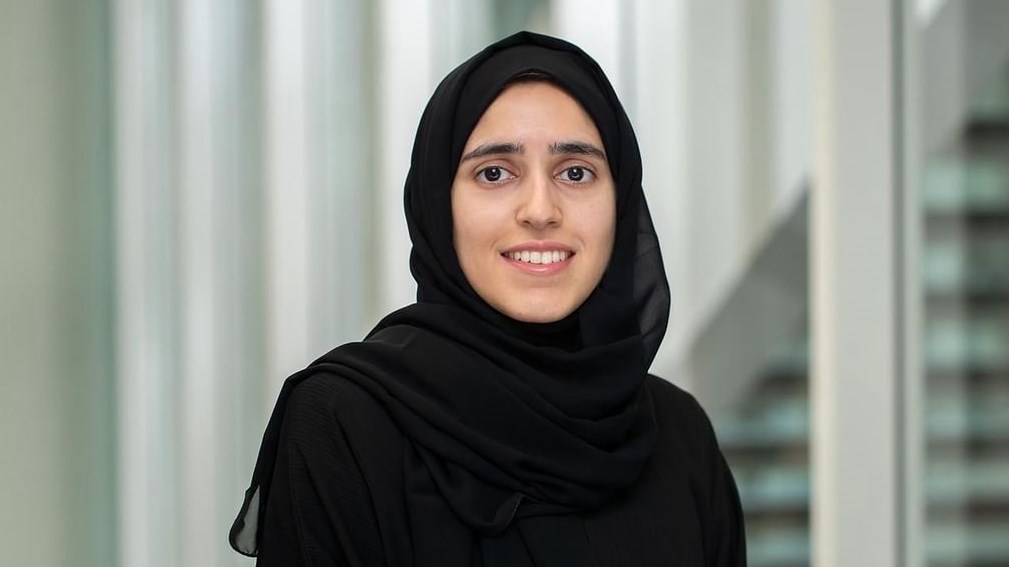
The UN AI Scientific Panel has taken a decisive step toward shaping the future of artificial intelligence governance by appointing Dr. Tuka Alhanai to its Independent International Scientific Panel on AI. The move by the United Nations General Assembly reflects growing global concern about both the transformative power and potential dangers of artificial intelligence.
Dr. Tuka Alhanai is internationally recognized for her work in human-centered AI and computational social science. Her appointment signals not only trust in her expertise but also the UN’s intention to include diverse global perspectives in shaping AI’s future.
As artificial intelligence rapidly reshapes economies, security systems, healthcare, education, and communication, the need for coordinated international oversight has never been greater. The panel is expected to guide governments on how to harness AI’s benefits while preventing serious risks.
Why the UN AI Scientific Panel Matters Now
Artificial intelligence is no longer a futuristic concept. It already powers search engines, financial systems, medical diagnostics, customer service tools, and autonomous technologies. Generative AI systems are now producing text, images, software code, and even scientific insights.
However, these advancements come with significant concerns:
• Job disruption across industries
• Privacy erosion and mass surveillance risks
• Algorithmic bias affecting marginalized groups
• Deepfakes and misinformation campaigns
• Cybersecurity threats
• Autonomous weapons development
• Lack of transparency in AI decision-making
The UN AI Scientific Panel aims to provide science-based recommendations that help nations address these issues responsibly. Unlike national regulators, the panel operates at a global level, recognizing that AI technologies cross borders instantly.
Who Is Dr. Tuka Alhanai?
Dr. Alhanai is a leading computer scientist, entrepreneur, and policy contributor specializing in socially aware artificial intelligence. Her research focuses on systems that understand human language, emotion, and behavior in ways that support—not replace—human decision-making.
Her areas of expertise include:
• Human-centered AI design
• Natural language processing
• Computational social science
• Ethical AI frameworks
• Responsible innovation
She has worked across academia, industry, and public policy initiatives, helping translate technical breakthroughs into real-world solutions. Her interdisciplinary background makes her particularly valuable for a panel that must balance scientific rigor with societal concerns.
Representation Beyond Traditional Tech Powers
For decades, AI leadership has largely been concentrated in a handful of countries. By appointing experts from a wider range of regions, the UN is acknowledging that AI’s impact will be global, not confined to technology superpowers.
Dr. Alhanai brings representation from the Arab world and emerging innovation hubs. This perspective is important because different regions face distinct challenges, such as:
• Rapid population growth and urbanization
• Youth-driven labor markets
• Digital transformation programs
• Cultural differences in data use and privacy
• Infrastructure gaps
Including these viewpoints helps ensure that policies developed by the UN AI Scientific Panel are inclusive and practical worldwide.
The Panel’s Core Responsibilities
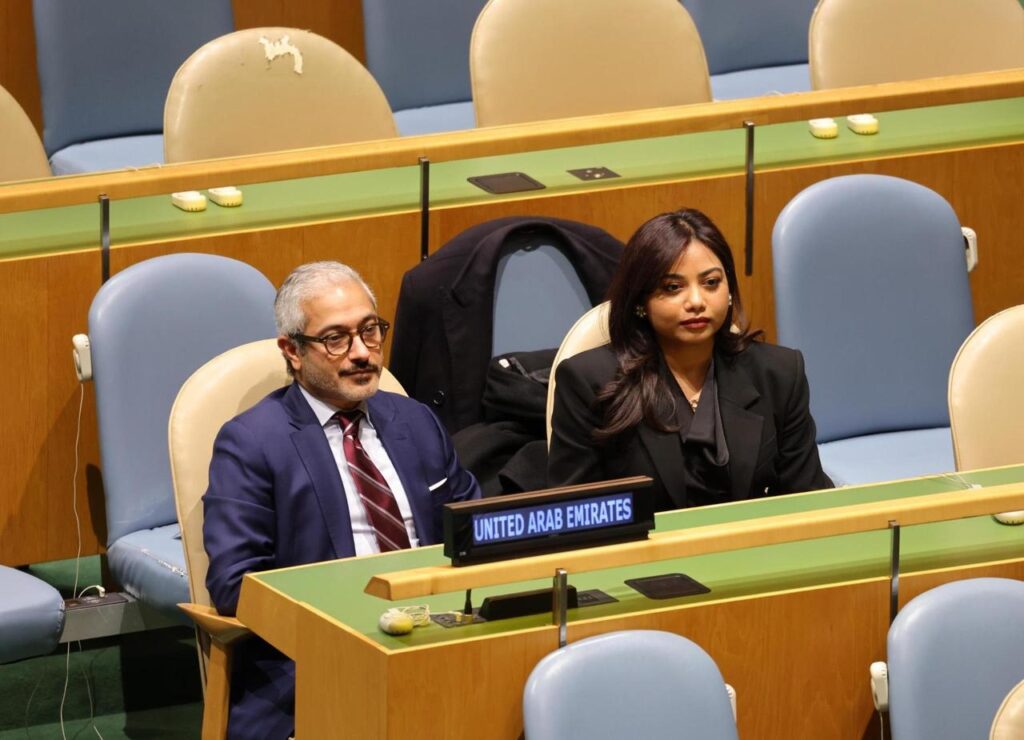
The Independent International Scientific Panel on AI is designed to function as a trusted source of scientific analysis for policymakers. Its recommendations will likely influence national laws, international agreements, and industry standards.
Key responsibilities include:
Risk Evaluation
Assessing both short-term and long-term dangers associated with advanced AI systems.
Ethical Guidelines
Promoting fairness, transparency, accountability, and respect for human rights.
Policy Advice
Providing governments with actionable recommendations on regulation and governance.
Public Education
Improving global understanding of AI’s benefits and risks.
Long-Term Strategic Planning
Preparing for future developments, including highly advanced AI systems.
AI Governance as a Global Priority
Governments around the world are racing to establish rules for AI. Some regions have introduced comprehensive legislation, while others are still developing strategies.
The UN’s initiative stands out because it seeks coordination rather than competition. Without global cooperation, inconsistent regulations could create loopholes, regulatory conflicts, or technological fragmentation.
Areas requiring international alignment include:
• Cross-border data flows
• Cybersecurity standards
• Autonomous weapons control
• Environmental impact of large computing systems
• Protection of human rights in digital spaces
The UN AI Scientific Panel provides a neutral platform where scientific evidence guides policy discussions.
Human-Centered AI: A Key Contribution
Dr. Alhanai’s research emphasizes that AI should serve human needs rather than dominate decision-making. Human-centered AI prioritizes usability, trust, fairness, and social impact.
This approach promotes systems that:
• Augment human capabilities instead of replacing workers entirely
• Provide explainable decisions
• Respect cultural and social contexts
• Minimize harmful bias
• Strengthen collaboration between humans and machines
In sectors like healthcare and education, this philosophy could shape tools that empower professionals and improve outcomes without undermining human judgment.
Implications for Developing Countries
Artificial intelligence offers developing nations opportunities to leapfrog traditional stages of growth. AI can optimize agriculture, expand healthcare access, improve transportation, and enhance disaster response.
Yet risks are equally significant:
• Dependence on foreign technology providers
• Data exploitation concerns
• Limited regulatory capacity
• Workforce disruption
• Unequal access to benefits
Dr. Alhanai’s presence on the panel may help ensure that these issues receive adequate attention, promoting policies that support inclusive growth rather than widening global inequalities.
The Push for Responsible Innovation
Technology companies are investing heavily in AI research, seeking competitive advantage in a rapidly evolving market. While innovation drives progress, unchecked development can lead to unintended consequences.
Experts warn about:
• Concentration of power among a few corporations
• Insufficient safety testing
• Environmental costs of large data centers
• Rapid deployment of unproven systems
• Potential misuse by malicious actors
The UN AI Scientific Panel aims to encourage innovation that is both ambitious and responsible, ensuring long-term societal stability.
Gender Diversity in AI Leadership
Dr. Alhanai’s appointment also highlights the importance of gender diversity in science and technology leadership. Women remain underrepresented in AI research and governance roles worldwide.
Diverse leadership can lead to more balanced decision-making and help address biases embedded in technology systems. Representation matters not only for fairness but also for effectiveness, as varied perspectives improve problem-solving.
Her role may inspire more women and girls to pursue STEM careers and participate in shaping the future of technology.
What the Panel Will Do Next
The panel is expected to collaborate with experts across disciplines, including computer science, law, economics, sociology, and ethics. Its work may involve:
• Publishing global assessment reports
• Advising UN bodies and member states
• Engaging with industry leaders
• Conducting consultations with civil society
• Monitoring emerging technologies
These efforts could influence AI governance for decades.
Balancing Innovation and Safety
One of the panel’s biggest challenges will be finding equilibrium between encouraging technological progress and preventing harm. Overregulation could slow beneficial innovations, while weak oversight could expose societies to serious risks.
Key questions include:
• How can AI development remain open and innovative while safe?
• What universal standards should govern high-risk systems?
• Who is accountable when AI causes harm?
• How should societies prepare for workforce transitions?
• What safeguards are needed for powerful future AI systems?
Dr. Alhanai’s multidisciplinary expertise will be valuable in addressing these complex issues.
Building Public Trust in AI
Public acceptance is essential for AI adoption. People are often both excited and anxious about the technology’s impact on jobs, privacy, and security.
Transparent governance, ethical safeguards, and inclusive decision-making can build confidence. The UN’s involvement signals neutrality and global legitimacy, which may reassure citizens worldwide.
The UN AI Scientific Panel therefore plays a critical role not only in technical governance but also in fostering trust.
A Milestone for International Cooperation
Despite geopolitical tensions, cooperation on AI governance shows that nations recognize shared risks and opportunities. Artificial intelligence affects humanity collectively, making collaborative solutions necessary.
Dr. Alhanai’s appointment demonstrates that expertise from diverse regions is essential for addressing global challenges. It reflects a broader shift toward inclusive, science-driven policymaking.
Conclusion: A Crucial Step Toward Safe AI Development
The appointment of Dr. Tuka Alhanai to the Independent International Scientific Panel on AI marks a significant milestone in global efforts to guide artificial intelligence responsibly. As AI systems become more powerful and pervasive, expert oversight is vital to ensure they benefit humanity while minimizing harm.
Through the UN AI Scientific Panel, the international community is taking proactive steps to anticipate risks, promote ethical standards, and support sustainable technological progress.
Dr. Alhanai’s expertise in human-centered AI and her representation of emerging innovation regions bring valuable balance to the panel’s work. If successful, this initiative could help shape a future where artificial intelligence enhances human well-being while respecting fundamental rights and values.
Do follow Gulf Magazine on Instagram.
Also Read – GCC Rethinks Food Security Amid Global Disruptions

