

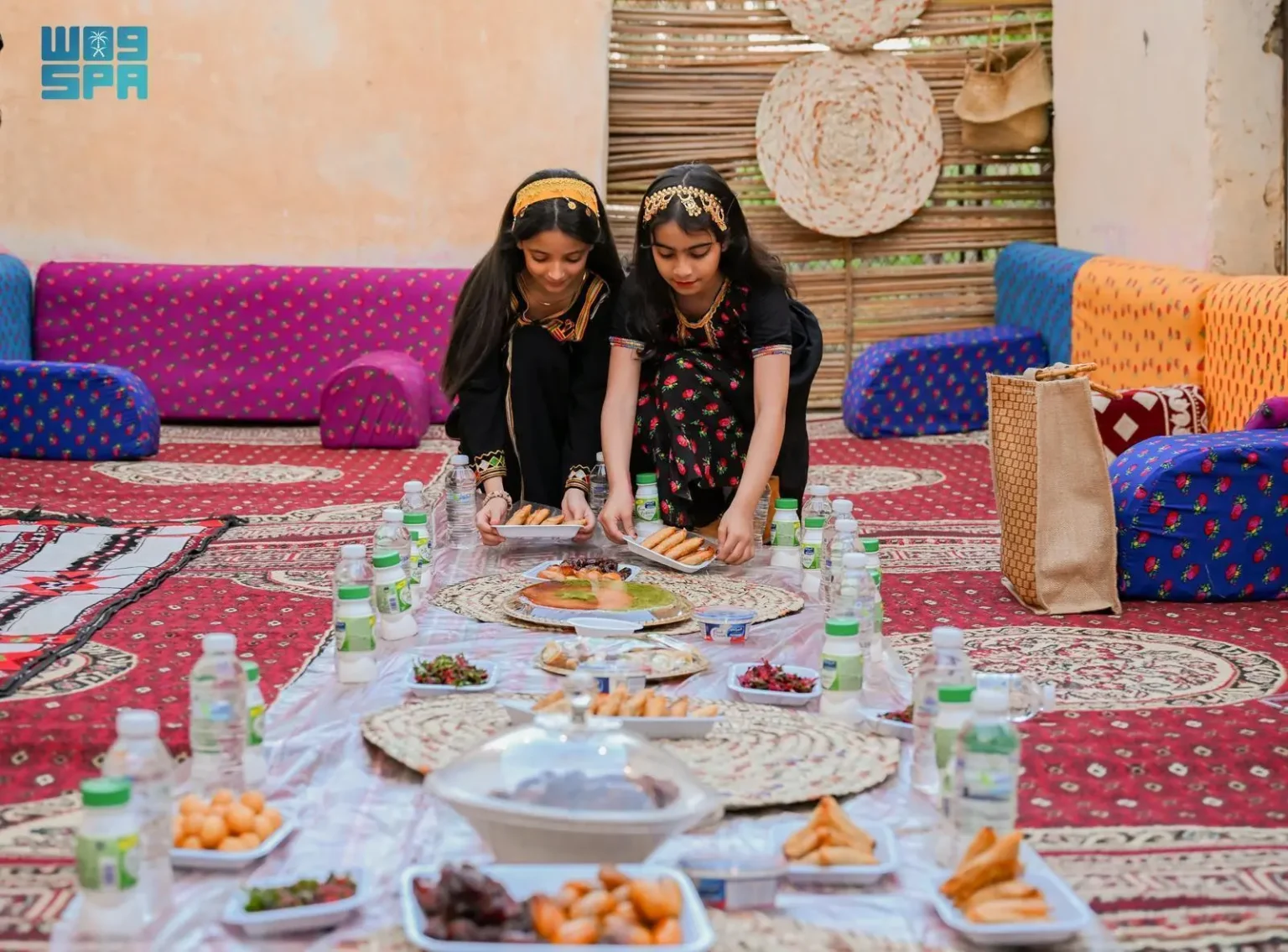
A Unique Iftar Experience in Al-Baha
Ramadan is a time of spiritual reflection, togetherness, and, of course, delicious food. In Al-Baha, a region known for its breathtaking landscapes and rich heritage, Ramadan Iftar takes on a special charm. Families and visitors gather in traditional heritage homes, where centuries-old customs blend seamlessly with modern hospitality. This article explores the beauty of Ramadan Iftar in Al-Baha’s heritage homes, where tradition and taste come together in a unique cultural experience.
The Significance of Iftar in Ramadan
Iftar, the evening meal that breaks the fast, is more than just food—it’s a moment of gratitude, family bonding, and shared traditions. Across the Muslim world, Iftar is a cherished occasion, but in Al-Baha, it holds an even deeper significance. The region’s cultural heritage, combined with its warm hospitality, makes every Iftar a memorable experience. The gathering of families in heritage homes, surrounded by the aroma of traditional dishes, creates an atmosphere of warmth and connection.
The Heritage Homes of Al-Baha: A Glimpse into the Past

Al-Baha is famous for its historical stone and mud-brick houses, built to withstand the region’s climate while reflecting the architectural beauty of ancient Arabia. Many of these homes have been carefully preserved and transformed into cultural spaces where visitors can experience the traditional lifestyle. During Ramadan, these heritage homes become lively centers of community gathering, where guests enjoy Iftar in a setting reminiscent of the past.
Architectural Beauty
- Constructed with locally sourced stone and wood, providing natural insulation.
- Unique designs with intricately carved wooden doors and decorative patterns.
- Spacious courtyards where families and guests gather for meals.
Traditional Iftar Dishes of Al-Baha
Food is an integral part of the Ramadan experience, and Al-Baha offers a delightful range of traditional dishes that have been passed down through generations. Here are some of the must-try foods at a typical Al-Baha Iftar:
1. Tamr (Dates) and Arabic Coffee
Breaking the fast with dates is a Sunnah (Prophetic tradition). In Al-Baha, dates are served with Arabic coffee, a rich and aromatic beverage that symbolizes hospitality.
2. Shorba (Traditional Soup)
A comforting dish made with lentils, meat, or vegetables, shorba is a staple of Ramadan Iftar. It provides warmth and energy after a long day of fasting.
3. Harees
A porridge-like dish made from wheat and meat, harees is a favorite among locals due to its rich, hearty texture.
4. Mandi
A fragrant rice dish cooked with tender, slow-cooked lamb or chicken, mandi is a signature dish of the region, often served during festive gatherings.
5. Luqaimat
These sweet, deep-fried dumplings drizzled with date syrup or honey are a beloved Ramadan dessert.
The Atmosphere: A Blend of Tradition and Togetherness
One of the most remarkable aspects of Ramadan Iftar in Al-Baha’s heritage homes is the atmosphere. These gatherings bring together families, neighbors, and even visitors, creating a sense of unity and generosity. The evening typically unfolds as follows:
- Call to Prayer: The Adhan (call to prayer) marks the time for Iftar, and everyone gathers around to break their fast with dates and water.
- Iftar Meal: A feast of traditional dishes is shared, with everyone sitting on floor cushions around large communal trays.
- Taraweeh Prayers: After the meal, many head to the local mosque for the special night prayers of Ramadan.
- Socializing and Storytelling: Even after the meal, the evening continues with conversations, poetry, and stories of the past, strengthening the bonds of the community.
The Role of Hospitality in Ramadan
Hospitality is deeply rooted in Arabian culture, and Ramadan in Al-Baha highlights this tradition even more. Heritage homes often open their doors to travelers and guests, ensuring that everyone has a place to enjoy a warm meal. This generosity reflects the true spirit of Ramadan—compassion, sharing, and kindness.
Guest Experience
- Visitors are welcomed with Arabic coffee and dates.
- They are invited to join families for Iftar, experiencing the warmth of Al-Baha’s hospitality.
- After the meal, they can explore the home’s history and learn about local traditions.
Preserving Traditions for Future Generations
With modernization, many traditional practices are at risk of fading away. However, Al-Baha’s efforts to preserve its heritage homes and cultural traditions ensure that future generations can continue to experience the beauty of Ramadan in a meaningful way. Local initiatives promote cultural tourism, encouraging people to visit and partake in these unique Iftar experiences.
Conclusion: A Ramadan Experience Like No Other
Ramadan Iftar in Al-Baha’s heritage homes is more than just a meal—it is a journey into history, culture, and the essence of togetherness. The combination of traditional dishes, warm hospitality, and the charm of ancient homes makes it a truly unforgettable experience. Whether you are a local or a visitor, celebrating Iftar in Al-Baha is a beautiful way to embrace the spirit of Ramadan while immersing yourself in the region’s rich traditions.
Ramadan in Qatif: A Celebration of Saudi Small-Town Spirit
If you ever find yourself in Al-Baha during Ramadan, be sure to experience an Iftar in one of these heritage homes—you’ll leave with a full heart and a deeper appreciation for the beauty of tradition and community.
Do follow gulf magazine on Instagram
for more information Gulf magazine .

