

As the crescent moon signals the beginning of Ramadan, Muslims around the world exchange heartfelt greetings, one of the most popular being “Ramadan Kareem.” This phrase is rich in meaning and tradition, encapsulating the essence of the holy month. But what does “Ramadan Kareem” truly signify, and why is it so widely used? Let’s take a deep dive into its linguistic, cultural, and spiritual significance.
Breaking Down the Phrase
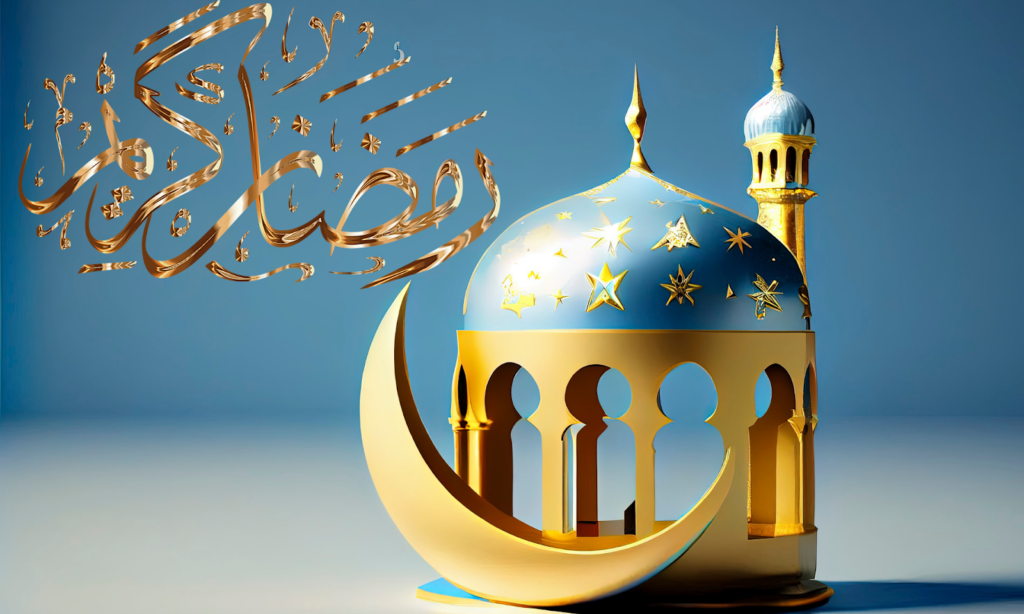
“Ramadan Kareem” is an Arabic phrase where “Ramadan” refers to the ninth month of the Islamic lunar calendar, a period dedicated to fasting, prayer, and reflection. “Kareem” translates to “generous” or “noble.” Together, the phrase conveys the sentiment of wishing someone a “Generous Ramadan,” emphasizing the month’s abundant blessings and spiritual rewards.
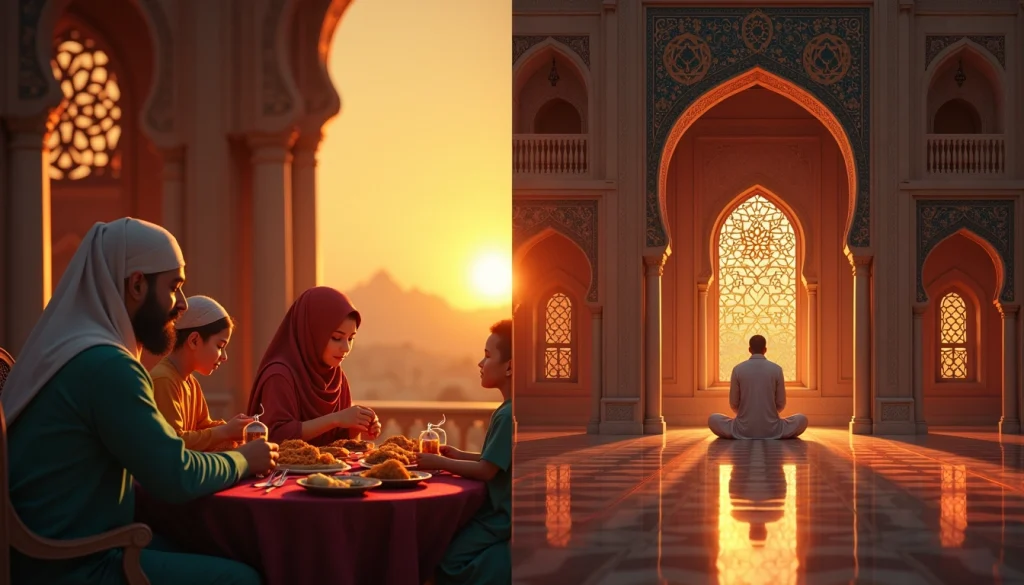
This greeting reflects the generosity of both Allah and the believers during Ramadan. Muslims believe that during this sacred month, Allah’s mercy and blessings are multiplied, and it is an opportunity for spiritual renewal and self-purification. By saying “Ramadan Kareem,” one acknowledges the divine generosity and encourages others to embrace the virtues of kindness and charity.
The Cultural and Spiritual Significance
The greeting “Ramadan Kareem” underscores the essence of Ramadan as a time of generosity and spiritual growth. This month is not just about abstaining from food and drink but also about deepening one’s faith, seeking forgiveness, and showing compassion to others. The greeting reminds Muslims to be generous not only with their wealth but also with their time, patience, and kindness.
Muslims around the world use this month to perform acts of charity, such as donating to the poor, volunteering, and helping those in need. The generosity encouraged during Ramadan extends beyond material giving—it includes acts of kindness, emotional support, and strengthening family and community bonds.
‘Ramadan Kareem’ vs. ‘Ramadan Mubarak’
Another common greeting during this period is “Ramadan Mubarak,” which means “Blessed Ramadan.” While both expressions are widely used, they emphasize different aspects of the holy month:
- Ramadan Kareem focuses on generosity, highlighting the charitable and giving nature of the month.
- Ramadan Mubarak emphasizes the blessings associated with Ramadan, wishing the recipient a holy and spiritually fulfilling month.
Both greetings are widely accepted and appreciated in different cultures and regions. Some people prefer “Ramadan Mubarak” due to its direct meaning of blessings, while others use “Ramadan Kareem” to reflect the generous spirit of the month.
The Debate Among Scholars
The use of “Ramadan Kareem” has been a subject of discussion among Islamic scholars. Some scholars argue that since generosity is an attribute of Allah and not of Ramadan itself, the phrase might be theologically imprecise. They suggest that greetings like “Ramadan Mubarak” (Blessed Ramadan) are more appropriate.
However, other scholars contend that “Ramadan Kareem” aptly reflects the generous spirit encouraged during the month. Since Ramadan is a time when rewards for good deeds are multiplied, it is appropriate to describe it as a generous month. The phrase encourages believers to embody generosity in all aspects of their lives, from charitable giving to acts of kindness.
How Muslims Celebrate Ramadan
Beyond exchanging greetings, Ramadan is observed through fasting, prayer, and community engagement. The month is structured around three main aspects:
1. Fasting (Sawm)
One of the Five Pillars of Islam, fasting during Ramadan is an obligatory act for all able-bodied Muslims. From dawn until sunset, Muslims abstain from food, drink, smoking, and marital relations. The fast is broken at sunset with a meal known as iftar, typically starting with dates and water, followed by a wholesome meal.
Fasting is not just about physical discipline; it is also an exercise in spiritual reflection and self-control. It teaches patience, humility, and empathy for those who are less fortunate. The pre-dawn meal, known as suhoor, helps sustain the fasting person throughout the day.
2. Increased Prayer and Recitation of the Quran
Ramadan is a time of heightened spirituality, with Muslims increasing their prayers and Quranic recitation. Many attend Taraweeh prayers at the mosque, special nightly prayers performed in congregation. These prayers provide an opportunity to listen to the recitation of the Quran in its entirety over the course of the month.
3. Acts of Charity (Zakat and Sadaqah)
Generosity is a fundamental theme of Ramadan, making the greeting “Ramadan Kareem” even more relevant. Muslims are encouraged to give Zakat (obligatory charity) and Sadaqah (voluntary charity) to help those in need. Many choose Ramadan as the time to fulfill their annual Zakat obligation, as good deeds are believed to be rewarded manifold during this sacred period.
Charity during Ramadan can take many forms, from financial donations to feeding the hungry, providing shelter, or even small acts of kindness such as helping a neighbor or offering words of encouragement.
The Spirit of Ramadan Kareem in Everyday Life
Beyond the greetings and religious obligations, “Ramadan Kareem” serves as a reminder of the values that Muslims should uphold not only during the holy month but throughout the year. These include:
- Self-Discipline: Refraining from food, drink, and negative behaviors helps develop strong willpower.
- Empathy and Compassion: Experiencing hunger firsthand increases awareness of the struggles of the less fortunate.
- Gratitude: Appreciating the blessings one has, no matter how small, fosters a sense of contentment.
- Community Bonding: Ramadan is a time for reconnecting with family, friends, and neighbors, strengthening social ties.
- Personal Growth: Many use the month to break bad habits, develop new routines, and focus on self-improvement.
Conclusion
“Ramadan Kareem” is more than just a customary greeting; it embodies the generosity, spirituality, and communal harmony that define the holy month of Ramadan. Whether one chooses to say “Ramadan Kareem” or “Ramadan Mubarak,” the sentiment behind both phrases remains the same—wishing others a blessed and rewarding Ramadan.
The essence of Ramadan lies in embracing and promoting values of compassion, charity, self-discipline, and faith. By incorporating the true spirit of “Ramadan Kareem” into daily life, Muslims can ensure that the virtues practiced during the holy month extend far beyond its 30 days, creating a lifelong impact of kindness and generosity in their communities.
Maximize Your Holidays in 2025: The Ultimate Guide to Long Weekends in India

