

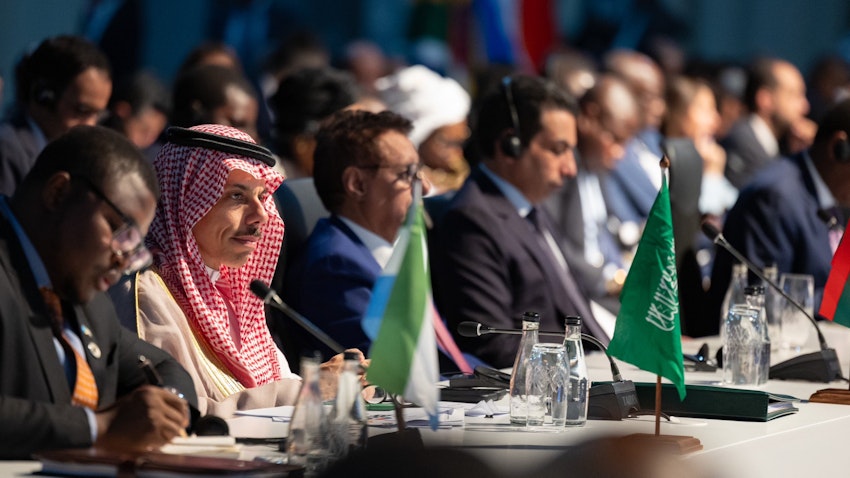
In August 2023, Saudi Arabia received an invitation to join the BRICS group—a coalition of major emerging economies comprising Brazil, Russia, India, China, and South Africa. The proposed expansion, set to take effect on January 1, 2024, also included nations like the United Arab Emirates, Argentina, Egypt, and Ethiopia. While many countries swiftly accepted the invitation, Saudi Arabia has adopted a more cautious approach, carefully evaluating the implications of such a move.
Evaluating the BRICS Invitation
Saudi Arabia’s Foreign Minister, Prince Faisal bin Farhan, acknowledged the invitation, stating that the Kingdom appreciates the offer and will study the details before making an appropriate decision. He emphasized that BRICS serves as a beneficial and important channel to strengthen economic cooperation.
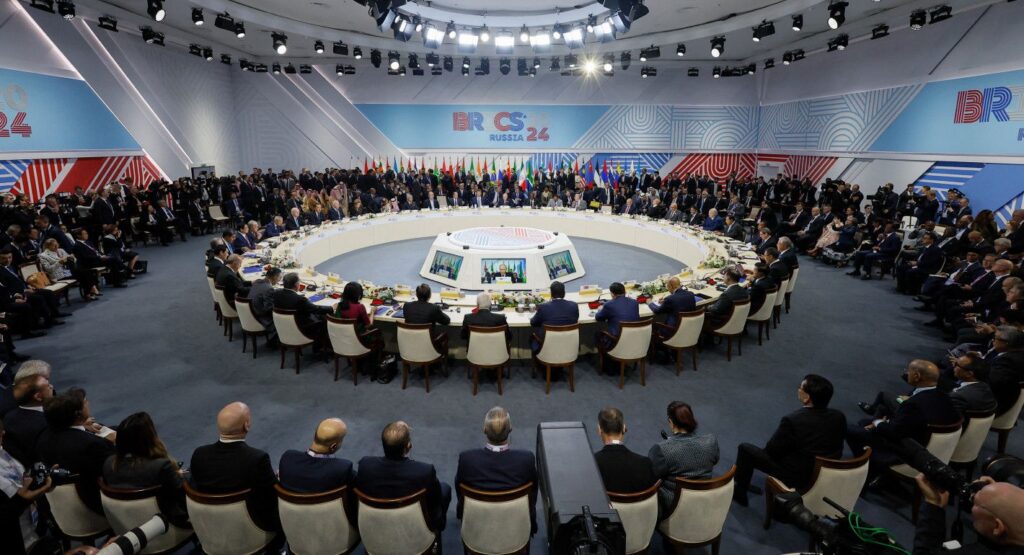
By January 2025, the Kingdom was still assessing the potential membership. Faisal Al-Ibrahim, Saudi Arabia’s Minister of Economy and Planning, remarked that the nation is focusing on fostering more global dialogue and is evaluating many different aspects of the proposed membership.
Strategic Considerations
Several factors contribute to Saudi Arabia’s measured response:
1. Geopolitical Balancing Act
Joining BRICS, which includes global powers like China and Russia, could be perceived as a shift in Saudi Arabia’s geopolitical alignments. The Kingdom has longstanding security and economic ties with Western nations, particularly the United States. Aligning more closely with BRICS nations might strain these relationships, especially considering the bloc’s growing influence and potential to challenge Western-led institutions.
Saudi Arabia has historically maintained strong ties with the U.S., especially in terms of military support and energy trade. Any move perceived as distancing itself from Washington could have consequences on its security arrangements, investments, and strategic interests in the region. While BRICS aims to establish a multipolar global order, Saudi Arabia must weigh the risks of diminishing its Western partnerships against the potential benefits of closer ties with emerging economies.
2. Regional Dynamics
The inclusion of regional rivals, such as Iran, in the BRICS expansion adds complexity. Saudi Arabia may be cautious about joining a group where it would have to collaborate closely with nations it has historically viewed as adversaries. While relations between Riyadh and Tehran have seen some diplomatic improvements, deep-rooted tensions remain. The Kingdom is assessing whether BRICS membership would require it to navigate complex diplomatic engagements that could challenge its own regional leadership.
Additionally, Saudi Arabia has been positioning itself as a key player in the Gulf Cooperation Council (GCC) and wider Middle East. Aligning too closely with BRICS could have implications for its leadership role within the Arab world. The Kingdom must ensure that joining BRICS does not alienate other Gulf nations or disrupt its influence in regional politics.
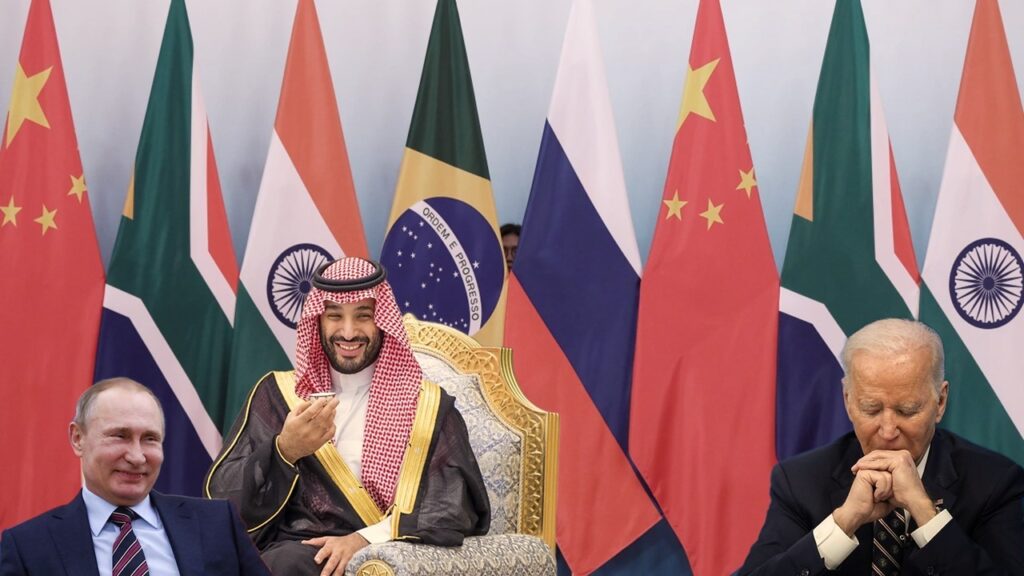
3. Economic Implications
While BRICS membership could open new avenues for economic cooperation, Saudi Arabia must consider how this aligns with its Vision 2030 initiative, which aims to diversify its economy and reduce oil dependency. The Kingdom is evaluating whether BRICS membership would support or complicate these objectives.
BRICS has promoted the idea of reducing reliance on the U.S. dollar by encouraging trade in local currencies. This could be appealing to Saudi Arabia, which has been exploring economic diversification beyond oil exports. However, the Kingdom also benefits from the petrodollar system, and any significant shift away from dollar-based trade could impact its financial stability and global standing.
Furthermore, Saudi Arabia has been strengthening its economic ties with both BRICS and Western nations. The Kingdom is a major trading partner with China, India, and Russia, but it also has substantial economic engagements with the U.S. and Europe. A hasty commitment to BRICS could disrupt its carefully balanced trade relations.
Global Reactions and Internal Deliberations
The international community has noted Saudi Arabia’s cautious stance. Analysts suggest that the Kingdom’s hesitation underscores the complexities of navigating a multipolar world where emerging alliances can have far-reaching consequences. Internally, Saudi policymakers are likely weighing the benefits of enhanced cooperation with BRICS nations against the potential diplomatic and economic risks associated with altering traditional alliances.
Some observers argue that Saudi Arabia’s hesitation is a calculated move to extract the best possible advantages from all sides. By keeping its decision open-ended, Riyadh can negotiate favorable terms with both BRICS members and Western partners. This strategy allows the Kingdom to maintain leverage in global economic and geopolitical discussions.
The Future of Saudi Arabia in BRICS
Saudi Arabia’s final decision on BRICS membership will depend on several key developments:
- Global Political Shifts: If BRICS continues to expand its influence and becomes a more dominant force in global governance, Saudi Arabia may see greater benefits in joining. However, if Western nations strengthen their own economic alliances, the Kingdom may choose to remain neutral.
- Economic Trends: If BRICS nations offer stronger economic incentives, such as increased investment in Saudi infrastructure projects or greater energy partnerships, the Kingdom may lean toward membership. On the other hand, if economic ties with the West remain more profitable, it may opt to maintain its current position.
- Regional Stability: If Saudi Arabia sees improved diplomatic relations with Iran and other regional players, it may feel more comfortable engaging in BRICS. However, if tensions escalate, the Kingdom might reconsider aligning itself with an organization that includes rival nations.
Conclusion
Saudi Arabia’s deliberation over the BRICS invitation reflects a strategic approach to international relations, emphasizing careful assessment over swift action. As the global order evolves, the Kingdom appears intent on ensuring that any new alliances or memberships align with its national interests, economic goals, and geopolitical strategies. The decision, when it comes, will likely be a calculated move aimed at balancing Saudi Arabia’s diverse international partnerships in an increasingly complex world.
For now, Saudi Arabia remains in a position of strategic flexibility, observing the shifting dynamics of global power structures. Whether it ultimately joins BRICS or continues to hedge its bets, the Kingdom’s choices will have far-reaching implications for both its own future and the broader global economic landscape
Saudi Arabia’s Mega-Projects Under Pressure as Oil Prices Drop

