

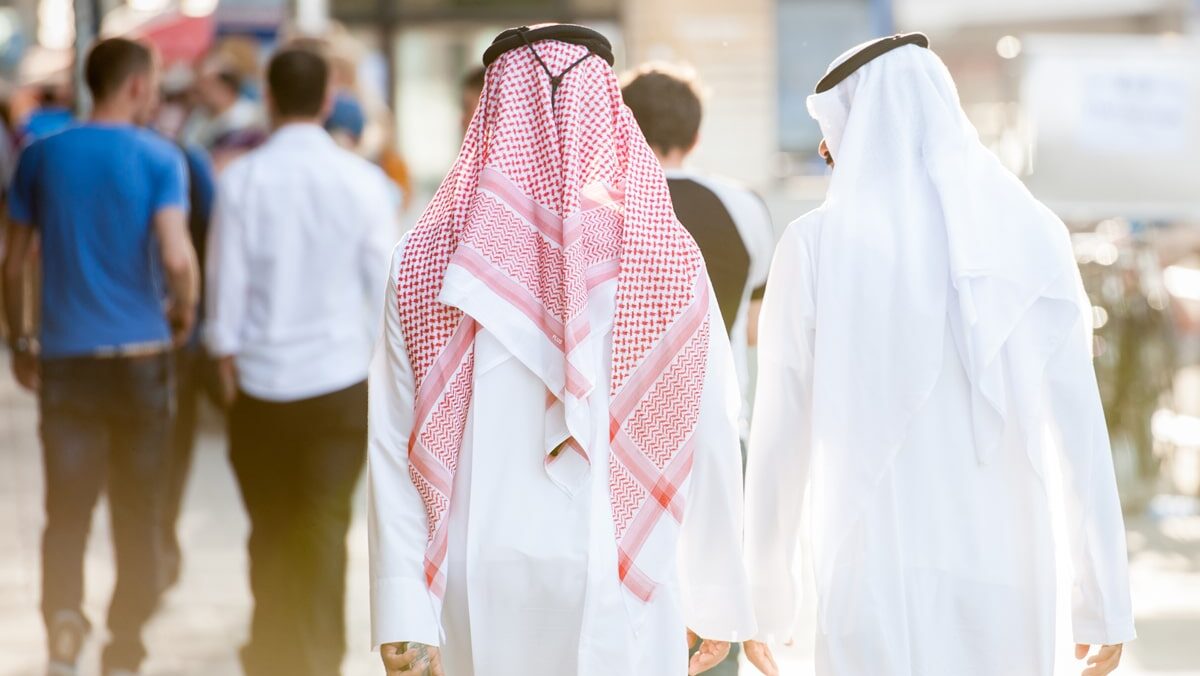
The Gulf Cooperation Council (GCC) countries—comprising Saudi Arabia, the United Arab Emirates (UAE), Kuwait, Qatar, Bahrain, and Oman—have long been characterized by their rich cultural heritage and traditions. In recent decades, these nations have experienced a significant influx of expatriates, leading to dynamic cultural exchanges and transformations. This article explores how expatriate communities have influenced various facets of Gulf culture, including cuisine, lifestyle, economic contributions, and societal norms.
Culinary Fusion: A Taste of Diversity
One of the most tangible impacts of expatriate communities in the Gulf is the diversification of the culinary landscape. Cities like Dubai, Doha, and Manama have become melting pots of global cuisines, with chefs blending regional flavors with international influences. The vibrant food scene has been transformed with the introduction of Latin American, Asian, and European cuisines, creating an eclectic mix that caters to the region’s multicultural population.
For instance, Boca, a Spanish restaurant in Dubai, pioneers the use of ingredients sourced from the UAE’s seven emirates, reflecting a blend of local and foreign culinary traditions. Similarly, establishments like Lila Taqueria and 21grams offer Mexican and Balkan cuisines with regional twists, showcasing the harmonious fusion of diverse culinary heritages. Even street food has evolved, with food trucks and pop-up restaurants offering everything from Korean BBQ to Peruvian ceviche, a testament to the region’s openness to global flavors.
Beyond restaurants, expatriates have also influenced home cooking. Supermarkets now stock international ingredients catering to various nationalities, making it easier for residents to prepare their native dishes. Cooking classes and food festivals further promote cultural exchange, encouraging both locals and expatriates to explore and appreciate diverse cuisines.
Lifestyle and Social Dynamics
The expatriate presence has significantly influenced lifestyle choices and social behaviors in the Gulf. The allure of luxury and a high standard of living, often associated with cities like Dubai, has led many expatriates to adopt lavish lifestyles. Malls, fine dining, and luxury brands dominate the retail scene, making indulgence a central part of life for many residents. The booming tourism industry, fueled by expatriate entrepreneurs, has introduced unique entertainment experiences such as yacht parties, desert safaris, and wellness retreats.
However, the luxury-driven lifestyle has its challenges. Many expatriates find it difficult to save money due to high living costs and societal pressures to maintain a certain standard of living. The concept of financial prudence often takes a backseat as residents get caught up in the glamour of high-end living.
On the other hand, the expatriate influence has also encouraged a more open and cosmopolitan society. Women in the Gulf have seen a shift in social dynamics, with increased opportunities in education and the workforce. Fitness culture has also gained popularity, with yoga, Pilates, and martial arts classes becoming more common due to the growing demand from diverse communities.
Economic Contributions and Cultural Exchange
Expatriates have played a pivotal role in the economic development of the Gulf region. With many industries reliant on foreign expertise, expatriates contribute significantly to sectors such as finance, technology, healthcare, and education. The substantial British expatriate community in Dubai, for example, has contributed to various professional sectors, influencing business practices and workplace cultures. Similarly, Indian, Filipino, and Pakistani expatriates dominate industries like construction, retail, and hospitality, forming the backbone of the workforce.
This economic interdependence has also facilitated cultural exchanges. Expatriate-led businesses introduce unique concepts, from artisanal coffee shops to international fashion brands, reshaping the commercial landscape. Art and music have also benefited from expatriate influence, with fusion performances blending Middle Eastern traditions with Western and Asian styles.
Challenges of Cultural Integration
Despite the positive aspects of cultural exchange, challenges persist in achieving seamless integration between expatriates and local communities. Surveys indicate that a significant portion of expatriates in the UAE remain unaware of Emirati traditions and customs. Specifically, only 28% of expatriates expressed confidence in their knowledge of Emirati culture, highlighting a gap in cultural understanding.
This lack of awareness can lead to missed opportunities for deeper connections and mutual respect between expatriates and locals. While many Gulf nations have established initiatives to promote cultural awareness, such as national identity programs and language courses, there remains a need for greater interaction and engagement between communities.
Additionally, cultural differences can sometimes lead to misunderstandings. Expatriates may unknowingly breach social norms, such as dress codes or public conduct regulations, leading to friction. On the flip side, locals may feel that their traditions are being overshadowed by the dominant expatriate influence.
Preserving National Identity Amidst Diversity
The overwhelming presence of expatriates, who constitute approximately 85% of the UAE’s population, raises concerns among Emiratis about the preservation of their language and cultural heritage. While the UAE is celebrated for its tolerance and hospitality, there is an underlying apprehension about the potential dilution of national identity. Emirati academics and leaders emphasize the importance of mutual respect and adherence to local customs to maintain harmony and cultural integrity.
Governments in the Gulf have taken proactive steps to preserve national identity. Programs promoting Arabic language learning, Emirati history, and Islamic traditions are encouraged among both expatriates and younger generations of locals. Festivals such as the Qasr Al Hosn Festival in Abu Dhabi and the Janadriyah Festival in Saudi Arabia highlight the region’s rich history, ensuring that cultural heritage remains at the forefront despite globalization.
Cultural Isolation and Emerging Engagements
Historically, Gulf nations attempted to insulate their cultures from foreign influences by maintaining distinct separations between local and expatriate communities. However, globalization and technological advancements have facilitated greater cultural interactions.
The Indian expatriate community, for instance, has played a significant role in shaping Gulf-India ties through shared cultural practices and mutual engagement. Bollywood cinema, Indian cuisine, and fashion have found resonance among Gulf nationals, reflecting a retrieval of centuries-old ties and a shared cultural ethos. Filipino and Western expatriates have similarly introduced diverse music, arts, and lifestyle trends, enriching the region’s cultural scene.
With the rise of social media and digital platforms, cultural exchange has become even more seamless. Influencers from different backgrounds share their experiences of life in the Gulf, further bridging gaps and promoting understanding between communities.
Conclusion
The influence of expatriate communities on Gulf culture is multifaceted, encompassing culinary innovations, lifestyle adaptations, economic contributions, and cultural exchanges. While these interactions enrich the social fabric of the Gulf states, they also present challenges in preserving national identity and fostering mutual understanding. As the Gulf continues to navigate the complexities of globalization, embracing cultural diversity while honoring traditional heritage remains paramount.
For the region to thrive, there must be a balance between openness to expatriate contributions and a commitment to preserving the unique cultural identities that define Gulf nations. Encouraging cultural education, fostering community engagement, and celebrating both local and expatriate influences will help ensure that the Gulf remains a dynamic and harmonious society for years to come.
Do follow gulf magazine on Instagram

