

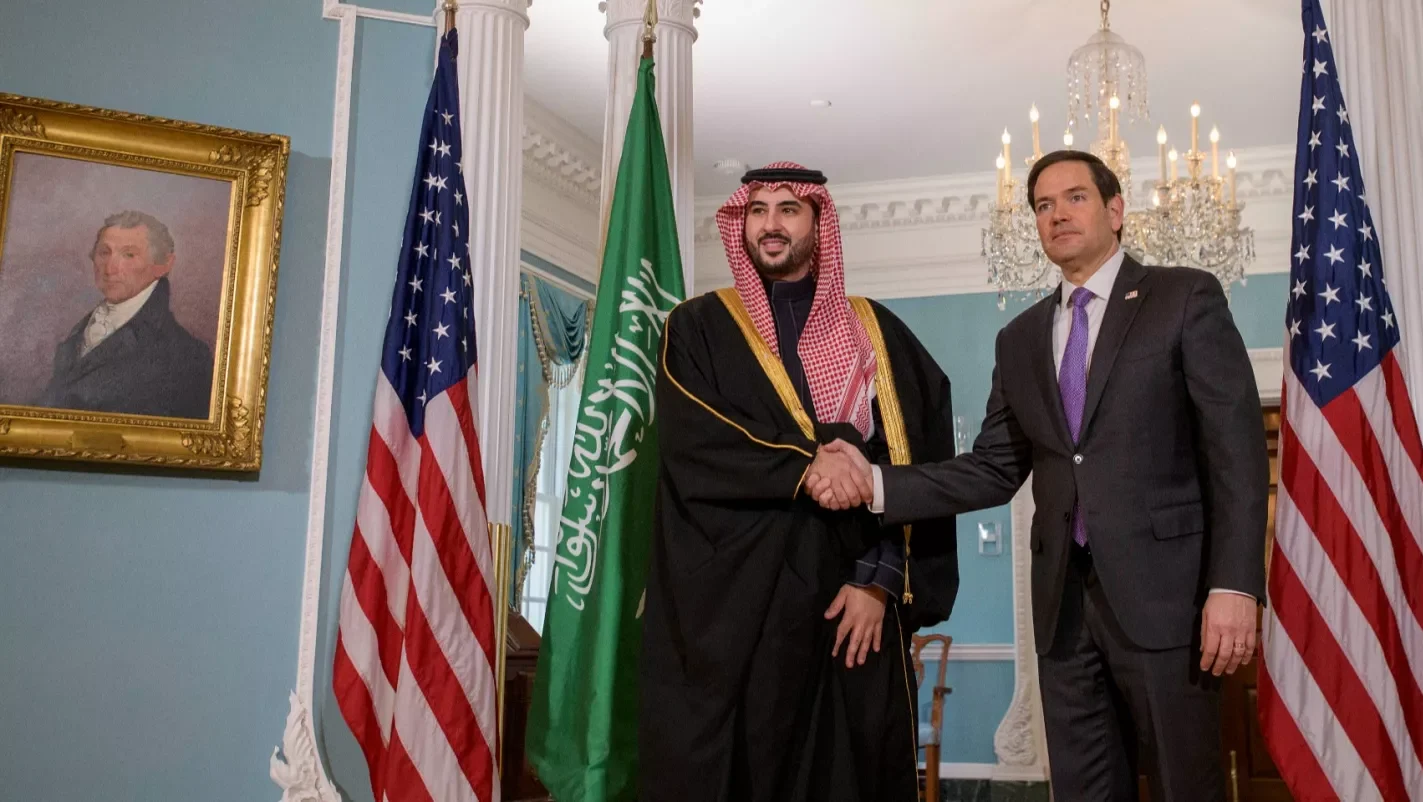
Saudi Arabia Emerges as Central Player in Trump’s Foreign Policy
In the early months of President Donald Trump’s second term, Saudi Arabia has become a focal point in advancing his international objectives. The kingdom’s strategic position and leadership have facilitated key diplomatic initiatives, notably mediating between the United States and Russia, and playing a significant role in negotiations concerning Ukraine’s mineral resources. This development underscores the kingdom’s growing geopolitical importance and its ability to influence major global issues.
Strengthening U.S.-Saudi Relations
President Trump has announced plans to visit Saudi Arabia next month, marking his first foreign trip of this term. This visit aims to finalize agreements that could see Saudi investments in the U.S. economy soar to approximately $1 trillion. Trump emphasized his strong rapport with Crown Prince Mohammed bin Salman and King Salman, stating, “I have a very good relationship with Mohammed and the king.” He highlighted the potential for these investments to generate substantial employment opportunities in the United States.
The relationship between the U.S. and Saudi Arabia has historically been rooted in economic cooperation, particularly in the energy sector. However, under Trump’s renewed leadership, the alliance is expanding beyond oil and gas. Key investment areas include technology, infrastructure, and defense, with new deals potentially benefiting both nations. Analysts believe that this deepening economic partnership could significantly boost American manufacturing and create thousands of new jobs.
Saudi Arabia has also become a major buyer of U.S. arms, reinforcing military cooperation between the two countries. The kingdom’s defense spending has surged, with billions allocated toward advanced weaponry and military technology. This reflects a broader strategy to modernize its armed forces and maintain security amid ongoing regional tensions.
Saudi Arabia as a Diplomatic Mediator
The kingdom’s unique relationships have positioned it as an effective mediator on the global stage. Leveraging ties with Russian President Vladimir Putin, Saudi Arabia has facilitated crucial discussions between U.S. and Russian officials. These efforts are part of broader attempts to reset U.S.-Russia relations and secure access to Ukraine’s valuable mineral, oil, and gas reserves.
As tensions between Washington and Moscow persist, Saudi Arabia’s role as an intermediary becomes increasingly critical. The kingdom has hosted several high-level meetings between diplomats from both nations, aiming to ease hostilities and foster cooperation. Some analysts speculate that Saudi Arabia’s involvement in Ukraine-related discussions is also driven by its own strategic interests, particularly in securing stable global energy markets.
Beyond the U.S.-Russia dynamic, Saudi Arabia has been actively engaged in mediating regional disputes, including conflicts in Yemen and Syria. The kingdom has played a pivotal role in ceasefire negotiations and humanitarian efforts, positioning itself as a peacemaker in the Middle East.
Economic and Social Transformation in the Kingdom
Under Crown Prince Mohammed bin Salman’s leadership, Saudi Arabia has embarked on an ambitious journey to diversify its economy beyond oil dependency. Initiatives include the development of mega-projects such as a vertical metropolis powered by clean energy. Additionally, the kingdom has been actively hosting international events and fostering foreign investments, signaling its commitment to modernization and global integration.
Saudi Arabia’s Vision 2030 plan, introduced in 2016, aims to reduce reliance on oil by developing sectors such as tourism, entertainment, and renewable energy. The construction of NEOM, a futuristic city powered by green energy, is a cornerstone of this strategy. The government is also investing in artificial intelligence, robotics, and smart city infrastructure to position Saudi Arabia as a global technology hub.
Social reforms have also been accelerated under Mohammed bin Salman’s leadership. Restrictions on women’s rights have been eased, allowing women to drive and participate more actively in the workforce. Public entertainment events, such as concerts and sporting competitions, are now more frequent, reflecting a cultural shift toward a more open society.
Despite these advancements, challenges remain. Critics argue that the pace of reform has been accompanied by restrictions on political dissent, with human rights organizations calling for greater freedoms. The Saudi government, however, maintains that its reforms are aimed at achieving stability while gradually opening up its society.
Navigating Complex Regional Dynamics
Saudi Arabia’s diplomatic engagements extend beyond U.S.-Russia relations. The kingdom has maintained communication channels with Iran, culminating in a significant accord aimed at reducing regional tensions. Furthermore, Saudi Arabia has played a role in facilitating prisoner exchanges between Washington and Moscow, underscoring its growing influence in international diplomacy.
Tensions between Saudi Arabia and Iran have long defined Middle Eastern geopolitics, with both nations vying for influence across the region. However, recent diplomatic efforts, including the China-brokered agreement to restore diplomatic relations, signal a shift toward de-escalation. This diplomatic progress could pave the way for greater regional stability, benefiting global energy markets and security.
Saudi Arabia’s role in the Israel-Palestine conflict is also under the spotlight. The kingdom has expressed interest in normalizing relations with Israel but remains firm in its support for Palestinian statehood. The ongoing conflict in Gaza presents a significant hurdle, making Saudi Arabia’s mediation efforts crucial in any future peace negotiations.
Challenges and Opportunities Ahead
While the U.S.-Saudi partnership has yielded notable successes, challenges remain. Efforts to normalize relations between Saudi Arabia and Israel have been complicated by ongoing conflicts, particularly the situation in Gaza. The kingdom’s firm stance on Palestinian statehood continues to be a pivotal factor in these discussions.
Saudi Arabia’s growing global influence brings both opportunities and risks. Its deepening ties with China and Russia raise questions about how it balances relations with Western allies. The kingdom’s decision to engage in strategic partnerships with multiple global powers reflects a shift toward a more independent foreign policy.
Domestically, Saudi Arabia’s modernization efforts have garnered both praise and criticism. The push for economic diversification and social reforms reflects a vision for a progressive future, yet it also necessitates careful navigation of traditional values and societal expectations. The leadership must balance modern aspirations with cultural and religious sensitivities to ensure long-term stability.
Conclusion
Saudi Arabia’s emergence as a central figure in President Trump’s foreign policy underscores the kingdom’s strategic importance and diplomatic capabilities. As both nations continue to collaborate on various fronts, the evolving dynamics of this partnership will likely have far-reaching implications for regional stability and global economic trends.
From economic investments to diplomatic mediation, Saudi Arabia’s influence is growing on the world stage. As the kingdom navigates complex international and regional challenges, its role in shaping global geopolitics will continue to expand. Whether as an economic powerhouse, a diplomatic mediator, or a cultural reformer, Saudi Arabia’s trajectory in the coming years will be closely watched by world leaders and analysts alike.
Do follow gulf magazine on Instagram
for more information click here

