

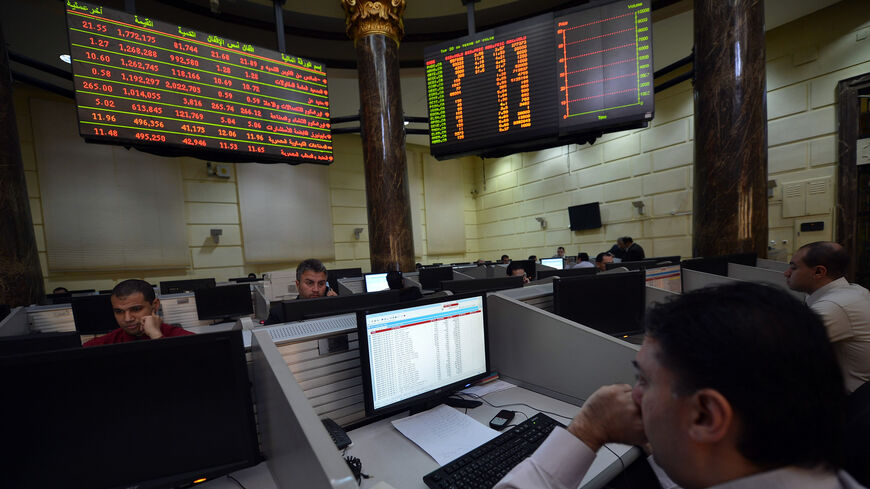
In a major shift that signals the economic growth and stability of the Gulf region, JPMorgan Chase & Co. has announced the reclassification of Qatar and Kuwait from emerging markets to developed markets. This decision is part of the bank’s broader effort to ensure that its indices reflect the evolving financial landscape and economic conditions of different nations.
The reclassification will result in the gradual removal of Qatar and Kuwait from JPMorgan’s Emerging Markets Bond Index (EMBI), a widely used benchmark that tracks the performance of sovereign and corporate bonds in developing economies. This transition is set to begin on March 31, with a six-month timeline for full implementation.
What Is the Emerging Markets Bond Index (EMBI)?
JPMorgan’s EMBI is an essential financial tool that investors use to assess and track bond performance in emerging markets. Countries included in this index typically offer higher bond yields, as their economies are still in the growth phase and carry more financial risk. When a country is removed from the EMBI, it signifies that it has met key financial and economic criteria, moving it into a more stable and mature category.
The reclassification of Qatar and Kuwait means that these nations no longer fit the profile of emerging economies. Instead, they have demonstrated long-term financial stability, sustained economic growth, and strong fiscal policies, which have earned them the status of developed markets.
What Factors Led to the Reclassification?
JPMorgan’s decision is based on multiple economic indicators and financial benchmarks. The primary criteria for reclassification include:
- Gross National Income (GNI) Per Capita: This metric measures a country’s economic output per person. For Qatar and Kuwait, their GNI per capita has consistently exceeded the threshold required for developed market classification.
- Cost of Living Index: Developed markets typically have a higher cost of living compared to emerging markets. Both Qatar and Kuwait have seen sustained increases in living expenses, aligning them more closely with advanced economies.
- Credit Ratings: A strong credit rating is a key factor in determining a country’s financial health. Qatar and Kuwait have maintained credit ratings of at least ‘A-’ from international rating agencies, indicating strong economic fundamentals and low investment risk.
- Macroeconomic Stability: Both nations have demonstrated stability in their financial and economic policies, with consistent GDP growth, low inflation, and strong government reserves.
How Did the Market React?
Financial analysts and investors have been anticipating this move for some time. Experts have noted that while Qatar and Kuwait will no longer be part of emerging market indices, they remain attractive investment destinations due to their stable economies, strong financial systems, and large sovereign wealth funds.
Investors who previously focused on emerging markets may need to adjust their portfolios as Qatar and Kuwait transition out of the EMBI. However, the reclassification also means that both countries could attract new investments from funds that specifically target developed markets.
What Does This Mean for the United Arab Emirates (UAE)?
Alongside Qatar and Kuwait, the United Arab Emirates (UAE) is also on JPMorgan’s watchlist for a potential upgrade to developed market status. The UAE’s cost of living has exceeded the EMBI average for two consecutive years, and if this trend continues, it could be removed from the index by 2026.
If the UAE is reclassified, it would mark yet another milestone in the economic transformation of the Gulf region. The UAE’s economy has been diversifying rapidly, with strong growth in non-oil sectors such as tourism, technology, and finance.
What Are the Economic Challenges Ahead?
Despite the positive news of their upgrade to developed market status, Qatar and Kuwait still face certain economic challenges.
- Qatar’s Budget Deficit: Qatar has projected a budget deficit of 13.2 billion riyals (approximately $3.62 billion) for the upcoming fiscal year. This is primarily due to government spending on infrastructure projects and economic diversification initiatives. However, analysts believe that Qatar’s financial position remains strong in the medium term. The country’s liquefied natural gas (LNG) sector is set to expand between 2026 and 2028, which could significantly boost revenues.
- Kuwait’s Fiscal Struggles: Kuwait is expecting a budget deficit increase of 11.9%, reaching 6.31 billion dinars (about $20.4 billion) for the fiscal year 2025-2026. The primary reason for this rise is lower-than-expected oil revenues, which have put pressure on government finances. In response, Kuwaiti authorities are working on a new debt law that would allow the government to raise up to $65 billion over the next 50 years. This law is designed to help Kuwait reduce its reliance on oil and diversify its economy.
Both nations are taking steps to strengthen their economic foundations, ensuring long-term stability despite these short-term financial pressures.
How Will This Impact Global Markets?
The removal of Qatar and Kuwait from the EMBI is expected to have ripple effects across global financial markets. As of January 31, these two nations accounted for 3.2% and 0.6%, respectively, of the EMBI Global Diversified Index. Their departure may cause shifts in investment strategies, particularly for funds that focus on emerging markets.
Additionally, this change could lead to a widening of the yield spread between emerging market bonds and U.S. Treasuries by approximately 11 basis points. This means that emerging market bonds could see slightly higher yields as investors reassess risks and opportunities in the wake of Qatar and Kuwait’s reclassification.
What’s Next for Qatar and Kuwait?
With their new status as developed markets, Qatar and Kuwait are likely to see increased investor confidence and greater access to capital from global markets. This could help both nations accelerate economic diversification efforts and reduce dependence on oil revenues.
Qatar is expected to continue investing heavily in LNG production, infrastructure, and technology sectors, while Kuwait is focusing on economic reforms and financial sustainability through its new debt law. Both countries are also enhancing their regulatory environments to attract foreign direct investment (FDI).
Conclusion
JPMorgan’s decision to reclassify Qatar and Kuwait as developed markets marks a significant milestone in their economic evolution. While this transition reflects their financial strength and stability, it also brings new challenges and responsibilities as they enter the ranks of advanced economies.
For investors, businesses, and policymakers, the coming months will be crucial in understanding how this shift affects capital flows, market dynamics, and economic policies. As Qatar and Kuwait embrace their new status, they are poised to play an even larger role in the global financial system.

