

In a significant diplomatic development, Kuwait has released a group of American prisoners, including veterans and military contractors who had been incarcerated for years on drug-related charges. This move is seen as a gesture of goodwill between the two allied nations and is raising hopes for further diplomatic progress.
Details of the Release
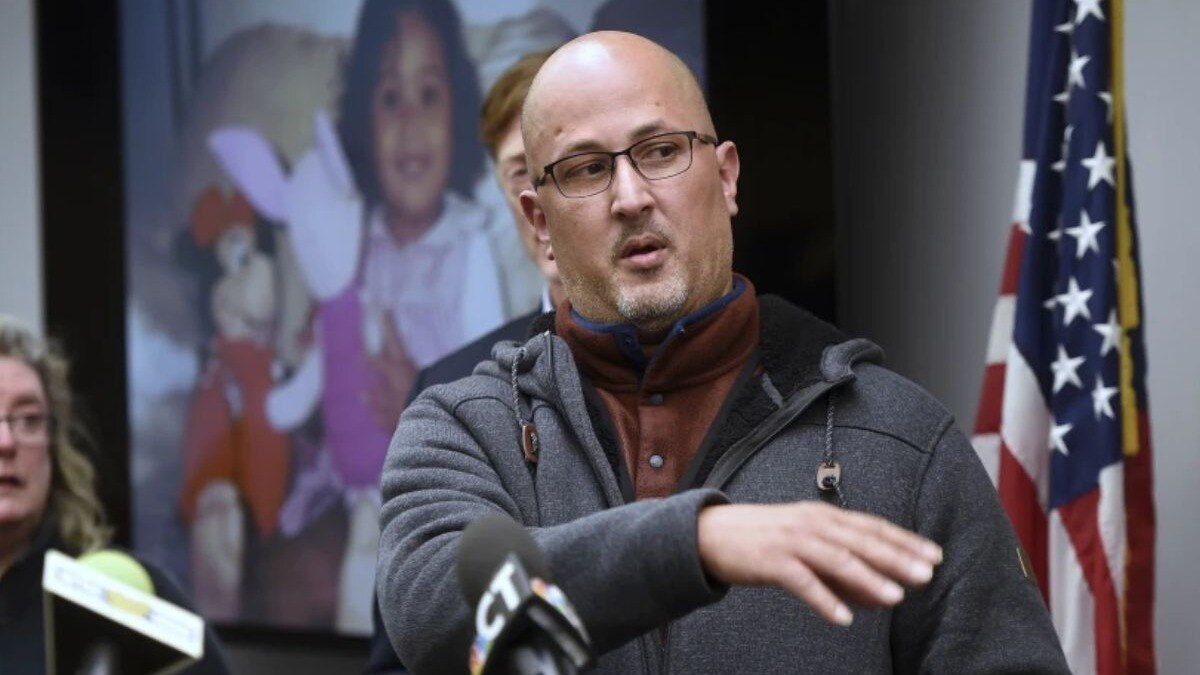
On March 12, 2025, six of the freed Americans arrived in New York, accompanied by Jonathan Franks, a private consultant specializing in cases involving American hostages and detainees. Franks, who has been actively advocating for the release of numerous Americans held overseas, confirmed that his clients were now safely back in the United States. He expressed gratitude toward the Kuwaiti government for what he described as a humanitarian act and emphasized that many of the former detainees maintain their innocence.
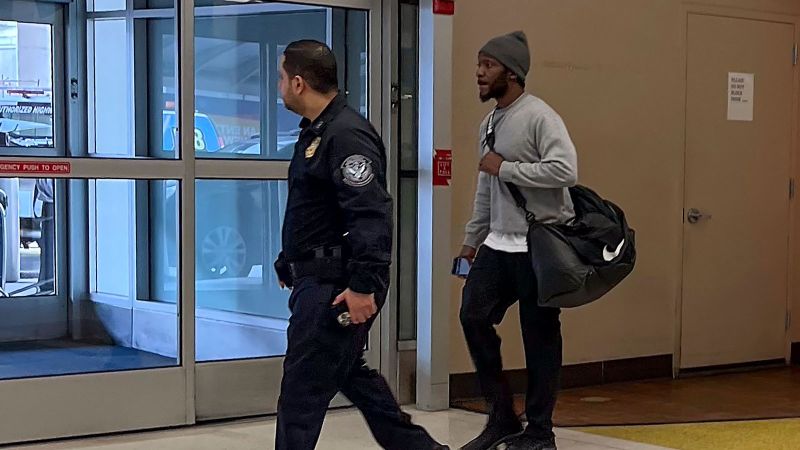
According to Franks, this release is part of an ongoing effort, and additional American detainees are expected to be freed soon. While he refrained from providing specific details about the negotiations, he hinted that diplomatic talks between Washington and Kuwait had played a crucial role in securing the release. The return of the prisoners was met with emotional reunions at the airport, as family members, many of whom had campaigned tirelessly for years, embraced their loved ones once again.
Background on the Detentions
Kuwait, a small but strategically significant nation in the Middle East, has long been a key ally of the United States. The relationship between the two nations dates back to the Gulf War in 1991, when the U.S. led a coalition to liberate Kuwait from Iraqi occupation. Since then, Kuwait has hosted thousands of American troops and served as a crucial hub for U.S. military operations in the region. Approximately 13,500 U.S. military personnel are stationed in the country, primarily at Camp Arifjan and Ali al-Salem Air Base.
Despite the strong alliance, Kuwait has detained multiple American citizens over the years, many of whom were military contractors working in the country. Several of these individuals were arrested on drug charges, with Kuwaiti authorities enforcing strict anti-drug laws. The penalties for drug possession and distribution in Kuwait can be severe, ranging from long prison sentences to capital punishment. Some of the detainees’ families and advocacy groups have long argued that the arrests were based on dubious evidence and that their loved ones were subjected to harsh treatment in Kuwaiti prisons.
Reports from human rights organizations indicate that conditions inside Kuwaiti jails can be harsh, particularly for foreigners. Several former American detainees have spoken out about their experiences, alleging mistreatment, overcrowding, and lack of due process. Families of the detained Americans have repeatedly called on the U.S. government to intervene, urging officials to prioritize their cases in diplomatic discussions.
U.S. Government’s Response
The U.S. State Department has not immediately issued an official statement regarding the latest releases. However, a senior government official, speaking anonymously, confirmed that the U.S. had been working behind the scenes to facilitate the return of the detained citizens. The official stressed that Washington remains committed to ensuring the well-being of its citizens abroad and continues to engage in diplomatic efforts to secure the release of other Americans imprisoned overseas.
The Biden administration had faced increasing pressure to act on behalf of detained Americans in Kuwait, with lawmakers from both parties urging stronger intervention. In recent years, the U.S. has prioritized the release of American citizens wrongfully detained in foreign countries, leading to high-profile prisoner swaps and diplomatic negotiations. Advocates for detained Americans have pushed for a broader approach that extends beyond high-profile cases to include all citizens who may be unjustly imprisoned abroad.
This release follows a series of successful efforts by the U.S. government to repatriate Americans held in other countries. Earlier this year, the administration secured the release of Marc Fogel, a teacher who had been detained in Russia on drug charges, in a negotiated exchange. Additionally, an American imprisoned in Belarus was also freed following diplomatic talks. The release of the detainees in Kuwait appears to be another step in this ongoing strategy.
Implications and Future Outlook
The release of these American prisoners by Kuwait may signal a further strengthening of diplomatic ties between the two nations. While the exact motivations behind Kuwait’s decision remain unclear, analysts suggest that this move could be aimed at reinforcing positive relations with Washington amid broader regional challenges. The Middle East continues to be a volatile geopolitical landscape, and Kuwait’s cooperation with the U.S. remains critical for stability and security in the region.
From a diplomatic standpoint, this development could encourage further negotiations regarding other detained Americans worldwide. Families of those still imprisoned in Kuwait and elsewhere are hopeful that this release will set a precedent for additional diplomatic efforts to bring their loved ones home. Some experts believe that Washington may use this opportunity to push for reforms in Kuwait’s legal system, particularly concerning the treatment of foreign detainees.
Jonathan Franks, who has been at the forefront of advocating for the return of Americans detained abroad, emphasized that the current administration must continue to prioritize these cases. He argued that many Americans remain incarcerated in foreign prisons due to policies that do not adequately address wrongful detentions. According to him, every American detained overseas, whether deemed “wrongfully detained” or not, deserves the government’s full effort to secure their return.
As the situation unfolds, observers will be watching closely for further developments. The prospect of additional releases in the coming months remains a possibility, as behind-the-scenes negotiations continue. The return of these individuals not only marks a personal victory for their families but also serves as a reminder of the complex challenges associated with international diplomacy and detainee negotiations.
For now, the freed Americans are focusing on reuniting with their families and rebuilding their lives. While their legal battles in Kuwait may have ended, their experiences serve as a stark warning about the dangers of foreign incarceration and the need for continued advocacy to protect American citizens abroad. The coming weeks will likely bring more clarity on whether this release was a singular act of goodwill or part of a broader diplomatic strategy between the United States and Kuwait.

